Publish for saves, shares, and real comments first; reach follows when Facebook sees people stopping, responding, and sending your post to others. In 2025, organic growth on Facebook is less about posting more and more about giving the algorithm stronger signals in the first hours after publishing.
TLDR: The Facebook algorithm rewards content that keeps people engaged without feeling like bait. Aim for useful short videos, discussion-led posts, active community replies, and consistent testing. For example, a local fitness coach posting three Reels and two question posts per week could lift average organic reach from 1,200 to 2,000 views in 60 days if shares rise by 25% and comment reply time drops below two hours. Track watch time, saves, shares, profile visits, and comment quality, not just likes.
How the Facebook Algorithm Works in 2025
Facebook still wants people to stay on Facebook. That shapes almost every ranking choice. The system predicts what each user is likely to watch, read, click, save, share, or comment on. Then it ranks posts in Feed, Reels, Groups, and recommendations.
The most useful signals include:
- Meaningful interactions: Comments with real substance beat one-word replies.
- Shares and sends: Content shared to Messenger or other feeds can gain fresh reach.
- Watch time: Reels and videos that hold attention get more chances.
- Saves: A save tells Facebook the post has lasting value.
- Relationship strength: People who often interact with your page are more likely to see future posts.
- Content originality: Reposted clips with watermarks or thin captions tend to underperform.
The catch is that Facebook gives mixed feedback. A post can get fewer likes but still bring more profile visits, website clicks, or messages. That drives many page owners mad because the “best” post is not always the loudest one on the surface.
Start With Content People Would Miss
Most organic content fails because it says nothing new. A page posts a product photo, a generic quote, or a bland announcement. Then the owner wonders why reach is flat. Facebook users scroll past weak posts in less than a second.
Build posts around a clear reason to stop. Use one of these angles:
- Teach: “Three mistakes that make your sourdough dense.”
- Compare: “$40 dinner prep versus $120 takeout week.”
- Reveal: “What we changed after 47 customer complaints.”
- Ask: “Which logo version feels more trustworthy?”
- Show proof: Before and after, customer use cases, behind the scenes.
Specific beats polished. A bakery saying “fresh bread daily” is forgettable. A bakery saying “we sold out of jalapeño cheddar loaves by 10:18 a.m., so we doubled the batch for Friday” gives people a detail to react to.
Use Reels, But Stop Chasing Trends Blindly
Reels remain one of the strongest organic reach formats on Facebook. Short video gives the algorithm more signals than a static image. It can measure pauses, replays, skips, completion rate, audio engagement, comments, and shares.
Good Reel structure is simple:
- First 2 seconds: Show the result, problem, or surprise.
- Next 5 to 12 seconds: Explain or demonstrate one clear idea.
- Final 2 seconds: Ask for a real response or point to the next step.
Keep most Reels between 7 and 25 seconds. Longer videos can work, but only when the story earns the time. Add captions because many users watch with sound off. Avoid recycled clips with visible watermarks from other platforms. Facebook prefers native-feeling content.
Build Comment Threads, Not Comment Traps
Engagement bait is risky. Posts like “Comment YES if you agree” or “Tag 10 friends” can feel cheap. Facebook has spent years reducing the spread of spammy prompts. You need comments, but you need better comments.
Ask questions that invite opinion, memory, or choice:
- “What is one feature you wish this had?”
- “Which version would you pick for a small apartment?”
- “What did you try first when this happened?”
- “What should we test next week?”
Reply fast during the first hour. If your page takes six hours to answer, the post may already be cooling off. A simple reply is not enough. Add detail, ask a follow-up, or tag the subject of the conversation when relevant. Treat the comment section like a small event, not a mailbox.
Post Less Randomly and More Reliably
Consistency helps the algorithm understand your page. It also trains your audience. That does not mean posting five times per day. In fact, too much weak content can lower average response.
A practical weekly plan for many small brands looks like this:
- 2 Reels: Tips, quick stories, product use, behind the scenes.
- 1 photo post: Strong visual with a useful caption.
- 1 discussion post: Question, poll, or audience choice.
- 1 proof post: Review, case study, result, or customer story.
- Daily Stories: Light updates, quick polls, reposts, reminders.
Expect to waste time on scheduling if you do not batch content. Some tools take 20 seconds longer than they should just to preview a post properly, which adds up. Plan seven to ten days at once. Leave room for timely posts when something interesting happens.
Make Groups Part of Your Organic Growth
Facebook Groups still matter because they create stronger relationship signals. A page post may fight for space in a busy Feed. A group discussion can feel more personal and useful.
You can grow through groups in two ways. First, build your own group around a clear topic. A pet food brand might create a group for senior dog care. A real estate agent might run a group for first-time buyers in one city. Second, take part in existing groups without spamming links.
Useful group activity includes answering questions, sharing checklists, posting examples, and asking members what they need. Promotion should be rare. Trust earns clicks later.
Design Posts for Shares and Saves
Likes are easy. Shares and saves are stronger. A person shares content when it makes them look helpful, smart, funny, or connected. A person saves content when they expect to use it again.
Formats that earn saves include:
- Checklists
- Step-by-step guides
- Price comparisons
- Templates
- Common mistake lists
- Event calendars
Formats that earn shares include:
- Local news or community updates
- Relatable humor
- Strong opinions backed by experience
- Before and after stories
- Customer wins
Turn one idea into several formats. A nursery could create a Reel on “three plants that survive neglect,” a saveable image checklist, and a group question asking which plant people have killed the fastest. Same theme. Different signals.
Use Analytics Without Getting Lost
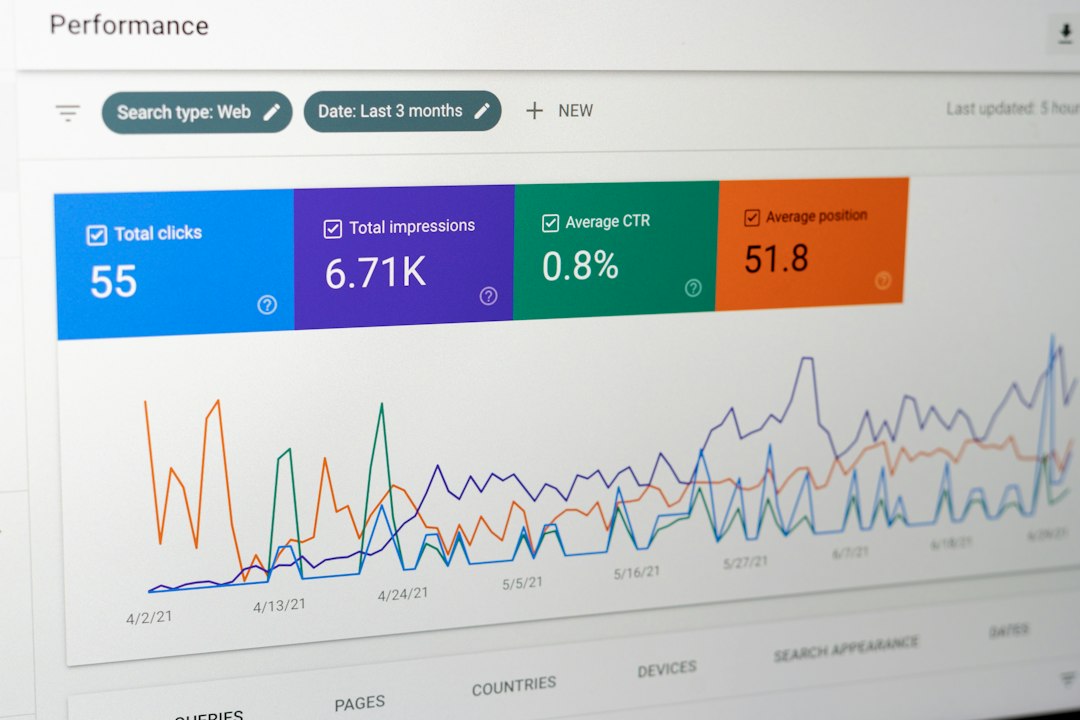
Do not track everything. Track the numbers that show intent. For organic Facebook growth, review these weekly:
- Reach by format: Reels, photos, links, Stories, group posts.
- Engagement rate: Engagements divided by reach.
- Share rate: Shares divided by reach.
- Save rate: Saves divided by reach.
- Average watch time: Especially for Reels.
- Profile actions: Follows, clicks, calls, messages.
A healthy target for many small pages is a 5% to 8% engagement rate on strong educational or community posts. For Reels, a completion rate above 35% is often a sign that the hook is working. These numbers vary by niche, but they give you a useful baseline.

Refresh Old Winners
Your best future post may be hiding in last year’s analytics. Find posts with high shares, saves, or comments. Rebuild them with a new hook, updated numbers, or a better visual. Do not copy and paste the same caption. Improve it.
If a “winter skin care checklist” worked in 2024, turn it into a Reel, a carousel-style image set, a Story quiz, and a group discussion in 2025. Facebook often rewards familiar topics when the format feels fresh.
Final Organic Growth Checklist
- Post useful content before promotional content.
- Hook attention in the first two seconds of any video.
- Reply to comments quickly, especially in the first hour.
- Ask questions that create real discussion.
- Use Groups to build trust and repeat interaction.
- Track shares, saves, watch time, and profile actions.
- Refresh proven posts instead of guessing every week.
Organic Facebook growth in 2025 is still possible, but lazy posting will not carry it. The pages that win are useful, quick to respond, and sharp with their formats. Give people something worth saving, sharing, and discussing, and the algorithm has a reason to show your content to more people.