3D printing has moved far beyond the novelty of making small plastic prototypes. Today, it supports product design, medical modeling, architecture, education, manufacturing, art, and even consumer goods. But as the technology matures, a major distinction has emerged: traditional 3D printing, which usually produces single-color or limited-color parts, and 3D color printing, which can create objects with realistic, detailed, full-color surfaces. Understanding the difference between the two can help you choose the right process for your project, budget, and creative goals.
TLDR: Traditional 3D printing focuses mainly on shape, structure, and material performance, while 3D color printing adds realistic color, texture, and visual detail directly into the printed object. Traditional methods are often stronger, cheaper, and more widely available, but color 3D printing is ideal for visual models, prototypes, miniatures, medical education, and presentation pieces. The best choice depends on whether your priority is functional performance or visual realism.
What Is Traditional 3D Printing?
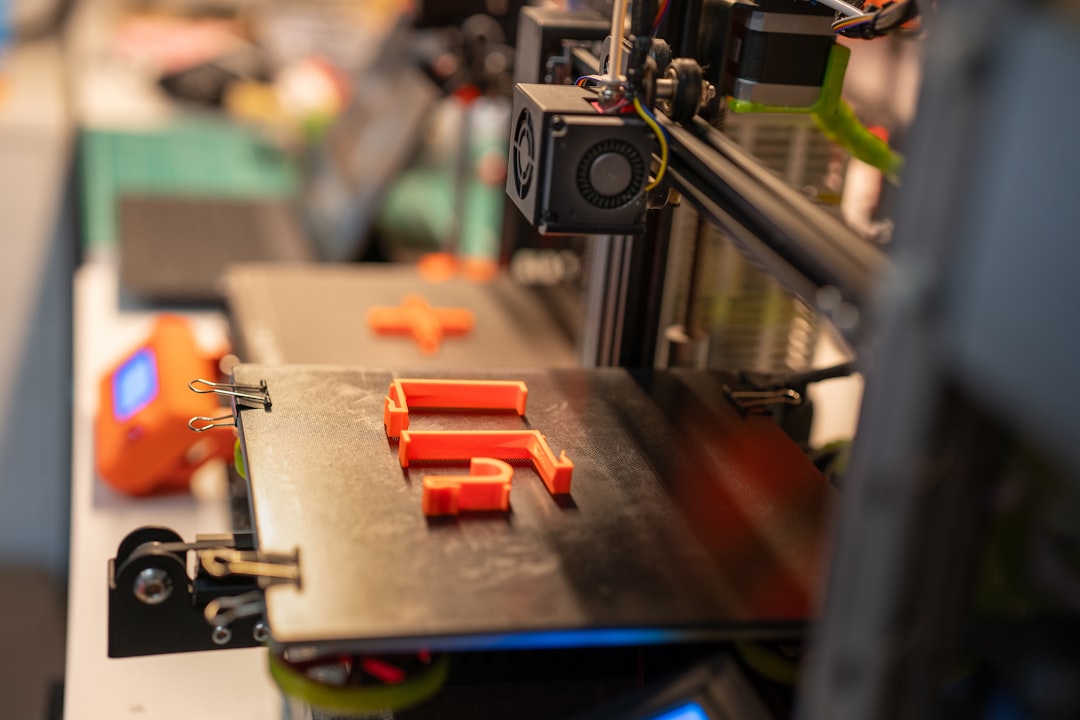
Traditional 3D printing refers to the most common forms of additive manufacturing, where a machine builds an object layer by layer from materials such as plastic, resin, metal, nylon, or composite filament. In many cases, the printed object is one solid color, determined by the material loaded into the printer. For example, if a printer uses black PLA filament, the final part will be black unless it is painted or finished afterward.
The most familiar traditional 3D printing technologies include:
- FDM or FFF: A heated nozzle melts plastic filament and deposits it layer by layer.
- SLA: A laser or light source cures liquid resin into solid shapes.
- SLS: A laser fuses powdered material, often nylon, into durable parts.
- DMLS or SLM: Metal powder is fused to produce strong metal components.
Traditional 3D printing is widely used because it is practical, accessible, and highly adaptable. Engineers use it to test mechanical parts, hobbyists use it to create custom accessories, and manufacturers use it to produce tooling, jigs, fixtures, and end-use components. Its main strength lies in geometry: it can produce shapes that are difficult or impossible to make with conventional manufacturing.
What Is 3D Color Printing?
3D color printing is a specialized form of 3D printing that creates objects with multiple colors, gradients, patterns, or even photographic textures. Instead of printing a plain model and painting it afterward, the color is integrated into the printing process itself. This allows the final object to come out of the machine already decorated, shaded, and visually expressive.
Color 3D printing can be achieved in several ways. Some systems use inkjet-style technology to apply color to powder-based materials. Others mix colored photopolymers, binders, or filaments. More advanced machines can reproduce detailed surface textures, skin tones, fabric patterns, logos, labels, and anatomical details.
The result is not just a 3D shape, but a visually complete object. This makes color 3D printing especially useful for presentation models, collectibles, figurines, medical training models, museum replicas, architectural models, and product prototypes where appearance matters as much as form.
Key Difference 1: Color and Visual Realism
The most obvious difference is color. Traditional 3D printing usually produces objects in a single color or a small number of colors, depending on the printer’s capabilities. Multi-color printing is possible with some desktop machines, but it is often limited to basic color changes between layers or sections.
By contrast, 3D color printing is designed to create rich, detailed, full-color parts. It can reproduce complex patterns, subtle shading, and lifelike textures. A traditional printer might create a plain white anatomical skull model, while a color 3D printer could show bone texture, nerves, arteries, labels, and highlighted fractures in one finished print.
This difference is crucial when the object must communicate information visually. A color print can show where different components fit, how a product will look on shelves, or how a surgical condition appears in real life. In these cases, color is not just decorative; it is functional.
Key Difference 2: Materials Used
Traditional 3D printing offers a very broad range of materials. Depending on the technology, you can print with PLA, ABS, PETG, TPU, nylon, carbon fiber composites, engineering resins, ceramics, wax, and metals. This makes traditional 3D printing suitable for both prototypes and functional parts.
Color 3D printing, however, is often more limited in material choice. Many full-color systems use sandstone-like gypsum powder, photopolymer resins, or specialized composite materials. These materials are excellent for visual detail, but they may not always match the strength, heat resistance, or flexibility of engineering-grade materials.
In simple terms: traditional 3D printing often wins on material performance, while 3D color printing wins on appearance. If you need a strong bracket, a working hinge, or a heat-resistant machine part, traditional printing is usually the better choice. If you need a realistic figurine, a medical model, or a marketing prototype, color printing may be ideal.
Key Difference 3: Strength and Durability
Strength depends heavily on the printing method and material, but generally, traditional 3D printing has more options for durable and functional parts. FDM parts can be tough if printed with the right settings and material. SLS nylon parts are known for strength and flexibility. Metal 3D printed parts can be used in aerospace, medical implants, automotive systems, and industrial equipment.
Full-color 3D prints are often created primarily for display, not heavy-duty use. Powder-based color prints can be somewhat brittle, and photopolymer color prints may be sensitive to UV exposure or long-term wear. While some color systems are becoming more durable, they still tend to prioritize surface quality and color detail over mechanical performance.
This is one of the most important questions to ask before choosing a method: Will the object be handled, stressed, assembled, heated, or used mechanically? If the answer is yes, traditional 3D printing may be more reliable.
Key Difference 4: Cost
Cost can vary widely, but traditional 3D printing is generally more affordable and accessible. Desktop FDM printers are relatively inexpensive, and common filaments such as PLA are cost-effective. Even resin printers have become affordable for hobbyists, schools, and small businesses.
3D color printing usually costs more because the machines, materials, and maintenance requirements are more specialized. Full-color printing may also require professional-grade equipment, careful file preparation, and post-processing. As a result, it is often offered through service bureaus rather than done at home.
That said, color printing can save money in certain scenarios. If a model would otherwise require hours of hand-painting, decals, labeling, or surface finishing, printing it in full color can reduce labor costs and improve consistency. For businesses producing presentation models or custom figurines, this can be a major advantage.
Key Difference 5: Post-Processing Requirements
Traditional 3D prints often need some post-processing, especially if appearance matters. This may include sanding, priming, painting, vapor smoothing, support removal, curing, polishing, or assembly. A single-color print can be transformed into a beautiful object, but it usually takes extra time and skill.
Color 3D printing reduces the need for painting because the object emerges with color already applied. However, it may still require cleaning, curing, depowdering, sealing, or coating. Powder-based color prints are often infiltrated with a clear resin or sealant to improve strength and color vibrancy.
So while color printing can simplify finishing, it does not always eliminate it. The biggest benefit is that the visual design is built directly into the print, making repeat production easier and more consistent.
Key Difference 6: File Preparation and Design Workflow
Traditional 3D printing usually requires a 3D model file such as STL, OBJ, or 3MF. The slicer software converts the model into layers and toolpaths for the printer. For basic one-color prints, the workflow is fairly straightforward.
Color 3D printing often requires more detailed file preparation. The model must include color data, texture maps, or material assignments. Formats such as OBJ, VRML, and 3MF are commonly used because they can store visual information beyond geometry. Designers may need to unwrap UV maps, apply textures, check color alignment, and ensure that the file contains all necessary image data.
This makes the workflow more complex, but also more powerful. Instead of simply asking, “What shape is the object?” color printing also asks, “What should every visible surface look like?”
Best Uses for Traditional 3D Printing
Traditional 3D printing is best suited for applications where function, fit, strength, or affordability matters most. It is widely used in engineering, product development, repair, manufacturing, and hobby projects.
- Functional prototypes that need to be tested for fit or movement
- Mechanical parts such as gears, brackets, mounts, and housings
- Manufacturing aids including jigs, fixtures, and custom tools
- Educational models where color is not essential
- Low-cost concept models for early design review
If you are iterating quickly and need several versions of a part, traditional printing is usually the faster and less expensive route. It is also easier to modify materials and settings to suit mechanical requirements.
Best Uses for 3D Color Printing
3D color printing shines when realism, communication, and presentation are the main goals. Its ability to combine form and color makes it especially valuable in fields where visual understanding matters.
- Architectural models with realistic walls, roofs, landscaping, and interior details
- Medical models showing organs, tumors, blood vessels, or surgical plans
- Character figurines with skin tones, clothing textures, and expressive details
- Product mockups with branding, labels, patterns, and surface finishes
- Museum and educational replicas that need accurate visual representation
For example, a surgeon may understand a case more clearly with a color-coded anatomical model than with a plain white print. A product team may make better decisions when a prototype looks close to the final manufactured item. In these situations, color adds meaning.

Which One Should You Choose?
The choice comes down to the purpose of the final object. If you need strength, precision, material variety, or low cost, traditional 3D printing is usually the better option. It is versatile, widely available, and suitable for both professional and personal use.
If you need visual impact, realistic presentation, detailed surface color, or complex textures, 3D color printing may be worth the added cost. It is particularly valuable when the object must be understood quickly by clients, customers, students, doctors, or stakeholders.
A useful way to decide is to ask:
- Does the object need to function mechanically?
- Will it be used for display or demonstration?
- Is color essential to understanding the design?
- Would painting or finishing take too much time?
- Is durability more important than appearance?
Your answers will usually point clearly toward one process or the other.
The Future of 3D Printing Is More Visual and More Functional
The line between traditional and color 3D printing is becoming less rigid. New machines are improving multi-material printing, color accuracy, durability, and surface quality. At the same time, traditional printers are becoming easier to use, faster, and more capable of combining colors or materials in a single build.
In the future, we can expect printers that produce objects with both engineering-grade performance and high-quality visual realism. Imagine printing a durable wearable device with soft-touch textures and full-color graphics, or a medical model with flexible tissue, hard bone, and accurate color in one print. That future is already beginning to take shape.
For now, the difference remains clear: traditional 3D printing is the dependable workhorse of additive manufacturing, while 3D color printing is the visual storyteller. One helps you test, build, and manufacture; the other helps you explain, impress, and bring ideas to life in vivid detail. Choosing the right one is not about which technology is “better,” but about which one best serves the story your object needs to tell.