Prices are not always set in stone. Sometimes they wiggle. Sometimes they jump. Sometimes they sneak down when nobody is looking. That is the world of variable pricing. It sounds fancy, but it is easy to understand.
TLDR: Variable pricing means changing prices based on demand, time, customer type, costs, or market conditions. It helps businesses earn more money and manage supply better. Customers can also benefit when prices drop during quiet times. The trick is to use it fairly and clearly.
What Is Variable Pricing?
Variable pricing is a pricing strategy where a business charges different prices for the same product or service at different times or in different situations.
Think of plane tickets. A seat on the same plane may cost $120 on Monday and $350 on Friday. It is the same seat. Same clouds. Same tiny bag of peanuts. Different price.
Why? Because demand changes. Costs change. Customer behavior changes. Variable pricing lets businesses respond to those changes.
In simple words:
- High demand? Prices may go up.
- Low demand? Prices may go down.
- Busy season? Higher prices.
- Slow season? Discounts and deals.
It is not random. Good variable pricing uses data. It looks at timing, stock, competition, customer habits, and costs.
Why Businesses Use Variable Pricing
Businesses use variable pricing because the world does not stand still. A hotel room on New Year’s Eve is not the same as a hotel room on a sleepy Tuesday in February. A taxi ride during a storm is not the same as one at noon on a sunny day.
Variable pricing helps companies match price to value at that moment.
Here are the big reasons businesses love it:
- They earn more during busy times.
- They attract customers during slow times.
- They manage limited supply.
- They react to competitor prices.
- They reduce waste.
For example, a bakery may lower prices near closing time. Fresh bread is great. Stale bread is sad. A discount helps sell the bread before it becomes tomorrow’s crouton.
Common Variable Pricing Strategies
There are many ways to use variable pricing. Some are simple. Some use clever software. Some feel like magic. But it is mostly math in a nice outfit.
1. Dynamic Pricing
Dynamic pricing changes prices in real time. It often uses algorithms. These algorithms watch demand, supply, time, and competition.
You see this with:
- Airlines
- Hotels
- Ride sharing apps
- Online stores
- Event tickets
If lots of people want the same thing at the same time, the price may rise. If interest drops, the price may fall.
This is why concert tickets can feel like they are playing hide and seek with your wallet.
2. Time Based Pricing
Time based pricing changes prices based on the hour, day, or season.
Examples include:
- Cheaper movie tickets in the morning
- Higher hotel prices during holidays
- Lower gym memberships in slow months
- Happy hour drinks at restaurants
This strategy works well because people behave differently at different times. A restaurant may be packed at 7 p.m. but empty at 4 p.m. Lower prices can bring in early diners. Everybody wins. The restaurant gets sales. Customers get fries.
3. Customer Segment Pricing
This means charging different prices to different groups of customers.
Common examples include:
- Student discounts
- Senior discounts
- Local resident rates
- Member only pricing
- Business class and economy class
The product may be similar, but the customer group is different. A museum may offer a lower price for students. This makes the museum more accessible. It also fills the building with curious people and backpacks.
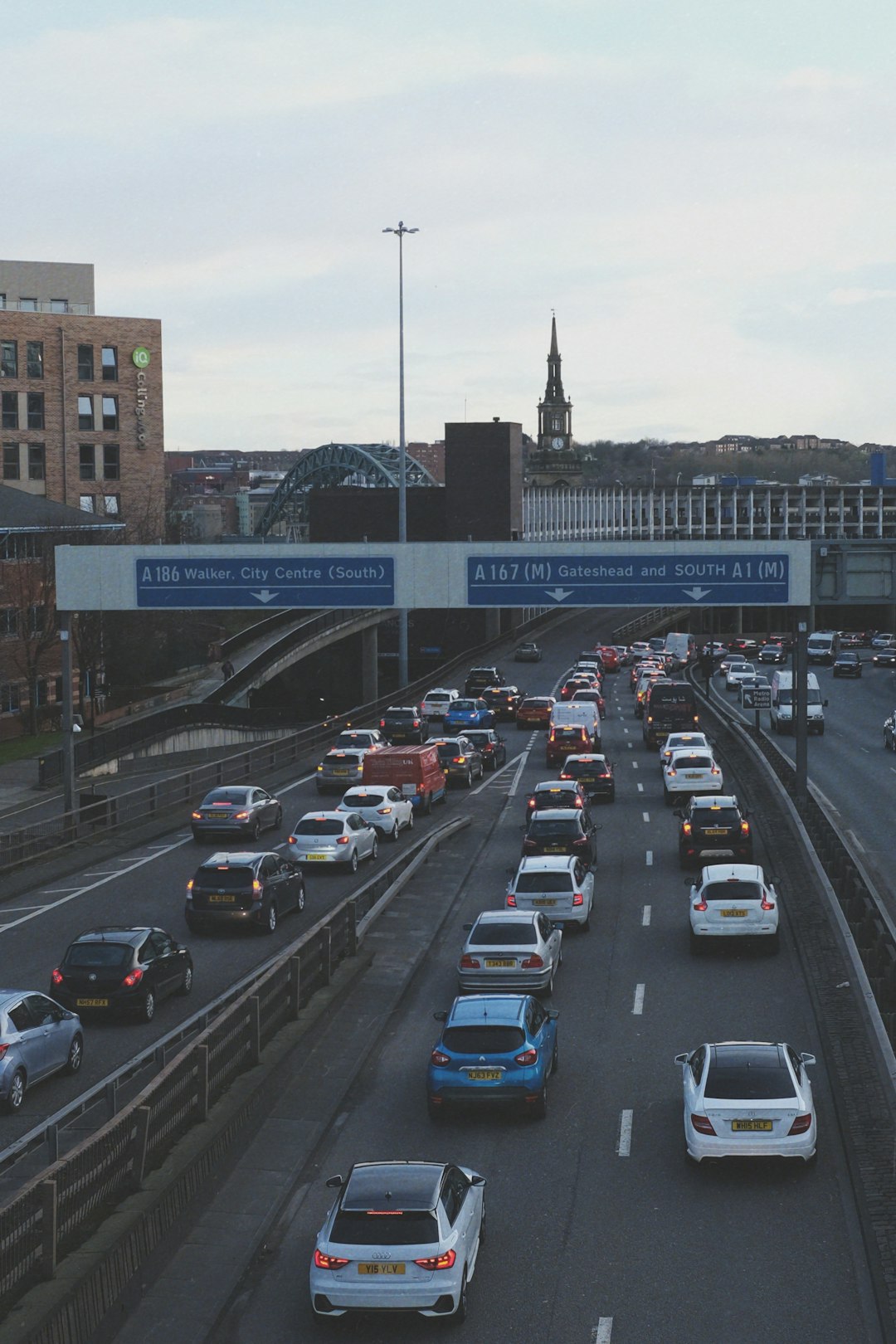
4. Peak Pricing
Peak pricing means charging more when demand is highest.
This is common in transport, travel, entertainment, and utilities.
For example, electricity may cost more during the hottest part of the day. Everyone is blasting air conditioning. The power grid is sweating. Higher prices encourage people to use less during peak hours.
5. Penetration and Promotional Pricing
Sometimes businesses lower prices for a short time to attract attention.
A streaming service may offer the first month at a discount. A new cafe may sell coffee cheaply during opening week. A software company may offer a launch deal.
The goal is simple. Get people to try it. If they like it, they may stay.
Real World Examples of Variable Pricing
Variable pricing is everywhere. You probably meet it every week.
Airline Tickets
Airline prices change constantly. They depend on travel dates, seat availability, demand, booking time, and route popularity.
Book early and you may save money. Book the night before a holiday and your wallet may make a tiny crying sound.
Hotels
Hotels raise prices during festivals, conferences, sports events, and holidays. They lower prices when rooms might stay empty.
An empty room earns nothing. A discounted room earns something. Something is better than a lonely pillow.
Ride Sharing
Ride sharing apps often use surge pricing. When many people request rides and few drivers are available, prices rise.
This encourages more drivers to get on the road. It also balances supply and demand.
Online Shopping
Online stores may change prices based on demand, stock levels, competitor prices, and browsing trends.
A popular toy may become more expensive before the holidays. Winter coats may go on sale in spring. Nobody wants to store 500 fluffy jackets until next year.
Sports and Event Tickets
Ticket prices can change based on the opponent, seat location, day of the week, and team performance.
A championship game costs more than a regular midweek match. That is because excitement has a price tag.
Benefits of Variable Pricing
Variable pricing can help both businesses and customers. Yes, really. It is not always a villain with a top hat.
Benefits for Businesses
- Higher revenue: Businesses can charge more when demand is strong.
- Better inventory control: Discounts can move slow selling products.
- Flexible strategy: Prices can react to market changes.
- Less waste: Perishable goods can be sold before they expire.
- Smarter decisions: Data shows what customers value.
Benefits for Customers
- Lower prices at quiet times: Flexible shoppers can save money.
- More choices: Customers can pick premium or budget options.
- Better access: Discounts can make products more affordable.
- Special offers: Promotions can reward early buyers or loyal users.
Risks and Challenges
Variable pricing is powerful. But it must be handled with care. If customers feel tricked, they may lose trust.
Common risks include:
- Confusion: Customers may not understand why prices change.
- Anger: Sudden price jumps can feel unfair.
- Brand damage: Too much price shifting can look greedy.
- Tech problems: Bad data can create bad prices.
Imagine seeing a product for $40 in the morning and $70 at lunch. That can feel annoying. Especially if lunch was already overpriced.
How to Use Variable Pricing Well
Good variable pricing needs balance. The goal is not to squeeze every coin from every customer. The goal is to match price with value, timing, and demand.
Here are simple tips:
- Be transparent. Explain why prices change when possible.
- Use good data. Guessing is not a strategy. It is a coin toss.
- Set limits. Avoid extreme price jumps.
- Test often. See what works and what annoys people.
- Protect trust. Long term loyalty matters more than one quick sale.
Businesses should also think about fairness. Charging more during a normal busy period is common. Charging extreme prices during emergencies can damage trust and may even break laws.
Final Thoughts
Variable pricing is simply flexible pricing. It changes based on what is happening in the market. It can be smart, useful, and profitable.
For businesses, it can increase revenue and reduce waste. For customers, it can create chances to save money. The key is to keep it clear, fair, and easy to understand.
So the next time a flight price changes overnight, do not panic. Well, maybe panic a little. Then remember: that is variable pricing at work. It is the price dance of modern business. And everyone is invited.