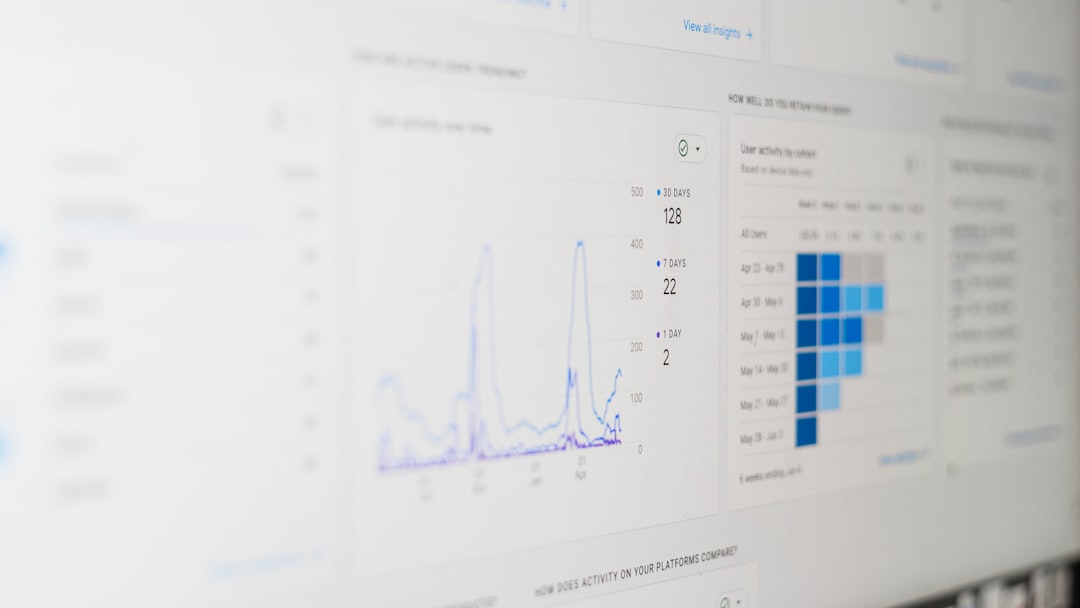
Insider threat management works best when it treats risky people, risky data, and risky behavior as one problem, not three separate tool categories. Data Loss Prevention can stop files from leaving. User Behavior Analytics can flag unusual activity. But Insider Risk Management connects intent, context, identity, data sensitivity, and response so security teams can act before a minor policy breach becomes a reportable incident.
TLDR: Insider threats come from malicious users, careless employees, compromised accounts, negligent vendors, and staff preparing to leave. A DLP rule may block a spreadsheet upload, while User Behavior Analytics may notice that the same employee downloaded 40% more files than usual after giving notice. Insider Risk Management ties those signals together and helps decide whether the event is harmless, careless, or hostile. For example, a finance analyst exporting 8,000 customer records at 11:47 p.m. should trigger more than a generic alert.
What Counts as an Insider Threat?
An insider threat is risk created by someone with trusted access. That person may be an employee, contractor, executive, support engineer, vendor, or service account owner. The threat does not always involve criminal intent. Many incidents start with weak habits, poor training, rushed work, or stolen credentials.
Security teams often focus on attackers outside the network. That is only half the problem. Insiders already have access, approval, and business context. They know where valuable data lives. They also know which controls slow them down.
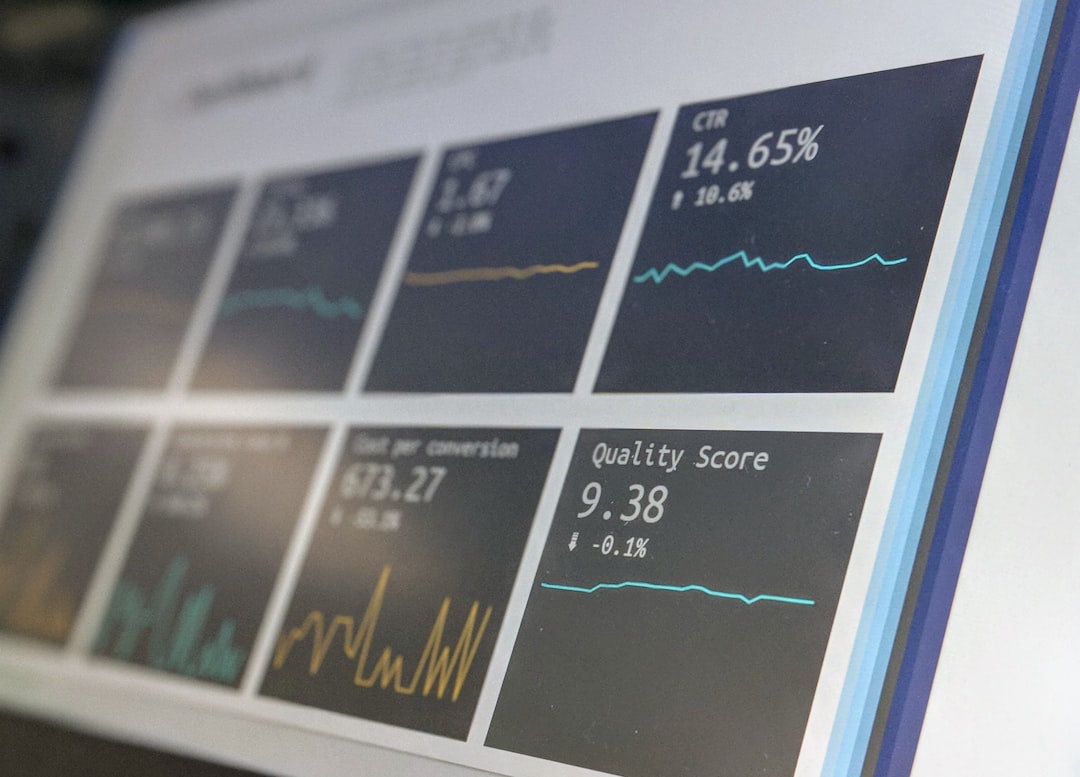
Main Types of Insider Threats
- Malicious insiders: These users intentionally steal, expose, destroy, or sell data. Motivation may include money, revenge, ideology, or pressure from a competitor.
- Negligent insiders: These users cause harm by mistake. They send sensitive files to the wrong recipient, store passwords in documents, or upload regulated data to personal cloud accounts.
- Compromised insiders: The user is not the real actor. An attacker has taken over the account through phishing, malware, token theft, or reused passwords.
- Third-party insiders: Vendors, consultants, managed service providers, and temporary staff often receive broad access for short-term work. Their controls may be weaker than yours.
- Departing employees: Staff who resign, are terminated, or expect layoffs may download customer lists, source code, sales plans, or internal documents before leaving.
Each type needs a different response. Treating every event as hostile creates alert fatigue. Treating every event as innocent creates exposure. The hard part is making that call quickly, with enough evidence to support it.
Insider Risk Management: The Broader Control Model
Insider Risk Management, often shortened to IRM, is a program and technology approach that identifies risky activity tied to trusted users. It combines signals from identity systems, endpoint tools, email, collaboration apps, HR events, cloud storage, and data classification.
IRM is not just another alert console. At its best, it builds a timeline. It may show that a user searched for “export customer list,” downloaded 2,300 files, renamed archives, copied them to a USB device, and then logged into a personal email account. One signal may be weak. The pattern is not.
Honestly, it feels like some tools still expect analysts to stitch this together by hand across five tabs and three exports. That wastes time. Worse, it lets real cases sit unresolved while teams chase noisy alerts.
DLP: Strong at Data Control, Weaker at Intent
Data Loss Prevention focuses on sensitive data movement. It can inspect content, classify files, apply policy, block transfers, encrypt messages, quarantine documents, or warn users before they send restricted information.
DLP is useful when the rule is clear. For example:
- Block credit card numbers from being emailed externally.
- Prevent source code uploads to personal repositories.
- Warn users before sharing confidential files with public links.
- Stop regulated health data from being copied to removable media.
The weakness is context. A DLP alert may say a spreadsheet contains government ID numbers. It may not know that the sender just failed a performance review, accessed 12 restricted folders for the first time, and is leaving the company in six days.
DLP also creates friction. A poorly tuned rule can block normal work. Expect complaints when a legal team cannot send discovery files or when an engineer waits 30 seconds for every large upload scan. Security wins trust only when controls are precise.
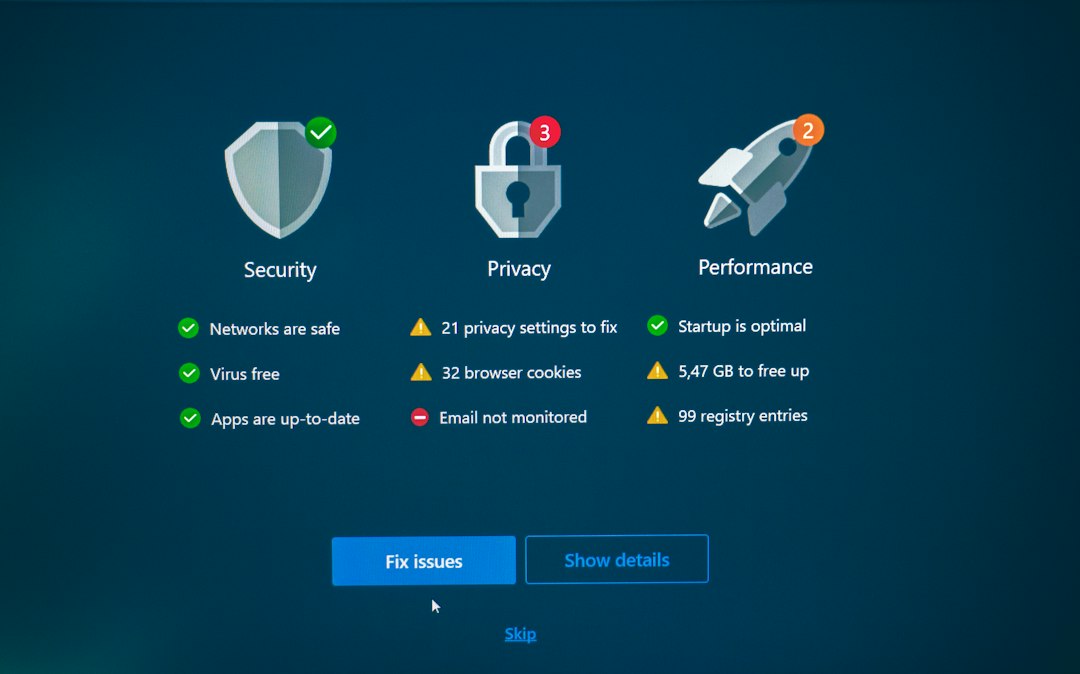
User Behavior Analytics: Strong at Anomalies, Not Always at Meaning
User Behavior Analytics, or UBA, studies patterns. It learns what normal activity looks like for users, teams, roles, devices, and locations. Then it flags deviations.
UBA can detect signs such as:
- Logins from unusual locations or impossible travel patterns.
- Large downloads outside normal working hours.
- Access to systems a user has never touched before.
- Sudden file deletion, compression, or mass sharing.
- Repeated failed access attempts against restricted assets.
UBA is valuable because many insider events look strange before they look malicious. Still, anomaly detection is not proof. A user may download more files because of a deadline. A sales manager may access a new region’s data after a promotion. A developer may clone repositories to rebuild a laptop.
The best UBA systems reduce noise by adding peer group comparison, risk scoring, device posture, data sensitivity, and identity context. Without that, alerts can feel like a weather report: interesting, but too vague for action.
IRM vs DLP vs UBA: What Is the Practical Difference?
| Control | Primary Focus | Best Use | Main Gap |
|---|---|---|---|
| IRM | User risk and intent indicators | Investigating patterns across data, identity, and behavior | Needs good data sources and careful governance |
| DLP | Sensitive data movement | Blocking or warning on risky transfers | Limited view of motive and user context |
| UBA | Activity anomalies | Spotting unusual logins, downloads, or access | Anomalies may be harmless without added context |
Think of DLP as the data gate, UBA as the behavior sensor, and IRM as the case manager. Mature organizations use all three. Smaller teams may start with one, but they should understand what it does not cover.
Alternatives and Complements to Consider
IRM, DLP, and UBA are not the only options. They work better when paired with basic controls that reduce insider opportunity.
- Identity Governance and Administration: Reviews permissions, removes stale access, and enforces role-based rights.
- Privileged Access Management: Controls admin accounts, records sessions, and limits standing privileges.
- Endpoint Detection and Response: Detects malware, suspicious scripts, unusual file activity, and removable media use.
- CASB and SaaS security tools: Monitor cloud app sharing, external collaboration, and risky OAuth grants.
- Security awareness and just-in-time coaching: Reduces careless behavior before it becomes an incident.
None of these replace insider risk work. They narrow the blast radius. That matters because insiders usually exploit excessive access before they exploit advanced technical gaps.

How to Choose the Right Approach
Start with the data you cannot afford to lose. Source code, customer records, merger plans, payroll files, trade secrets, and regulated data should drive the design. Then map who can access it, how it moves, and which actions would signal concern.
Use DLP when the organization needs hard policy enforcement around sensitive content. Use UBA when unknown patterns matter, especially in large environments with many users and locations. Use IRM when the team needs linked evidence, risk scoring, case handling, and policy workflows.
For many companies, the right order is simple:
- Classify critical data and confirm ownership.
- Reduce excessive access and stale permissions.
- Deploy targeted DLP controls for high-risk channels.
- Add behavior analytics for unusual activity.
- Build IRM workflows for investigation, escalation, and response.
Do not ignore privacy and labor rules. Insider monitoring touches sensitive employee data. Policies must be written, approved, and communicated. Access to investigations should be limited. Retention periods should be clear. A serious program protects the business without turning routine work into surveillance theater.
Final View
Insider threats are rarely solved by one tool. DLP protects data movement. UBA finds abnormal behavior. IRM connects events into a defensible risk story. The strongest programs combine these controls with access governance, clear policy, and measured response. That is how teams catch real risk without drowning in noise.