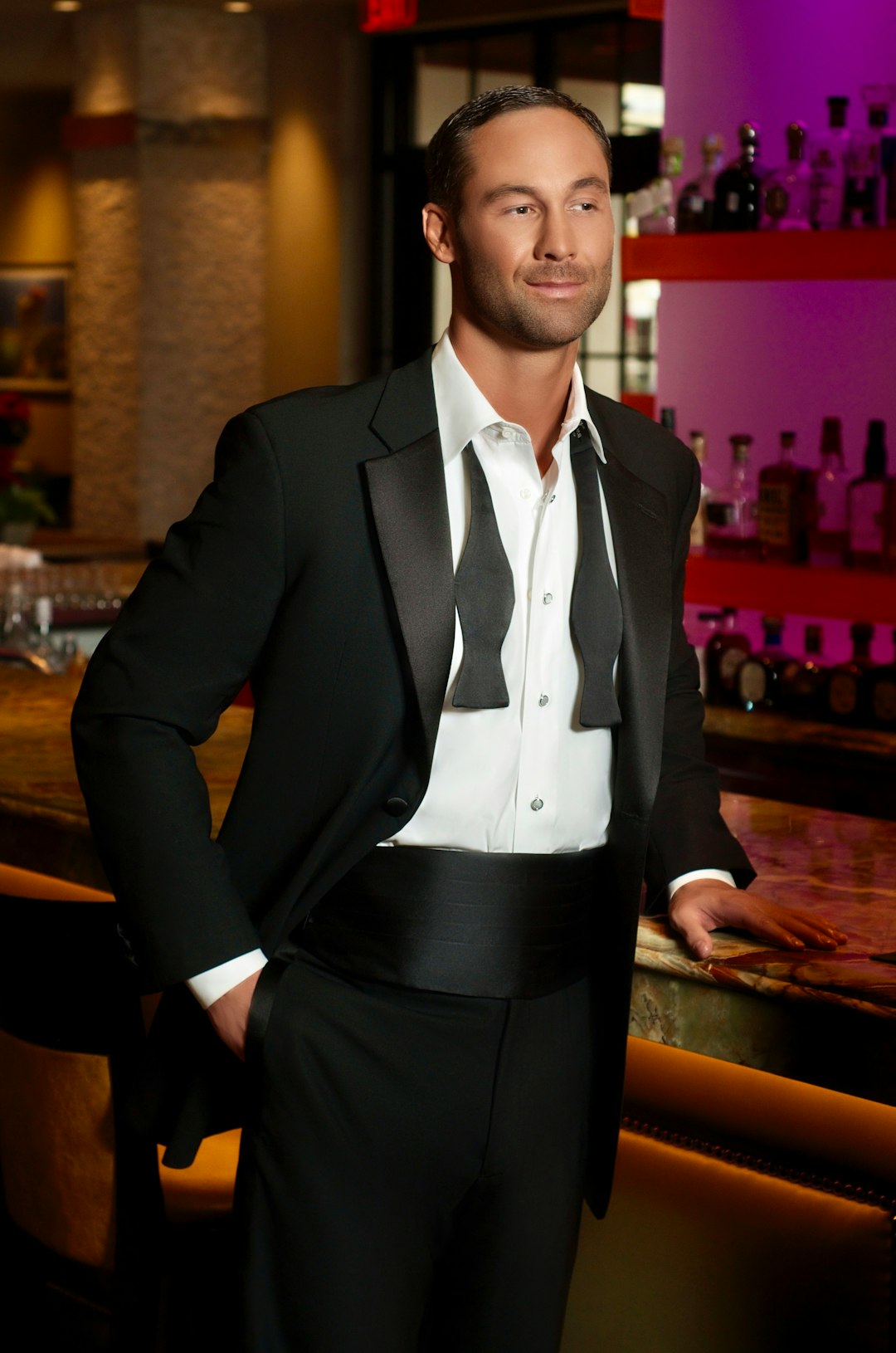
A bow tie can look playful, formal, vintage, artistic, or boldly modern depending on its shape and knot. While pre-tied options exist, a self-tied bow tie gives the wearer a more natural, personal, and elegant appearance. The small irregularities of a hand-tied knot often make the style look more authentic and refined.
TLDR: The most popular bow tie knot styles include the classic butterfly, semi-butterfly, batwing, diamond point, and big butterfly. Each style follows a similar tying method, but the final look depends on the bow tie’s shape, width, fabric, and how carefully the knot is adjusted. A properly tied bow tie should sit centered, feel secure, and look balanced without appearing too perfect. Practice, mirror checks, and small adjustments are the keys to mastering the look.
Why Bow Tie Knot Style Matters
The bow tie is a small accessory, but it can strongly influence an outfit’s overall character. A soft, rounded bow may suggest classic elegance, while a narrow batwing can appear sharper and more modern. A pointed diamond bow introduces personality, and a large butterfly knot brings a dramatic formal presence.
In formalwear, the bow tie is often associated with tuxedos, black-tie events, weddings, galas, and evening dinners. In casual styling, it may be worn with button-down shirts, cardigans, blazers, or patterned suits. The knot style helps determine whether the final impression feels traditional, creative, understated, or bold.
Although many bow ties are sold in different shapes, the tying process is usually based on the same fundamental technique. What changes most is the silhouette: the width of the wings, the shape of the ends, and the fullness of the knot.
1. The Classic Butterfly Bow Tie Knot
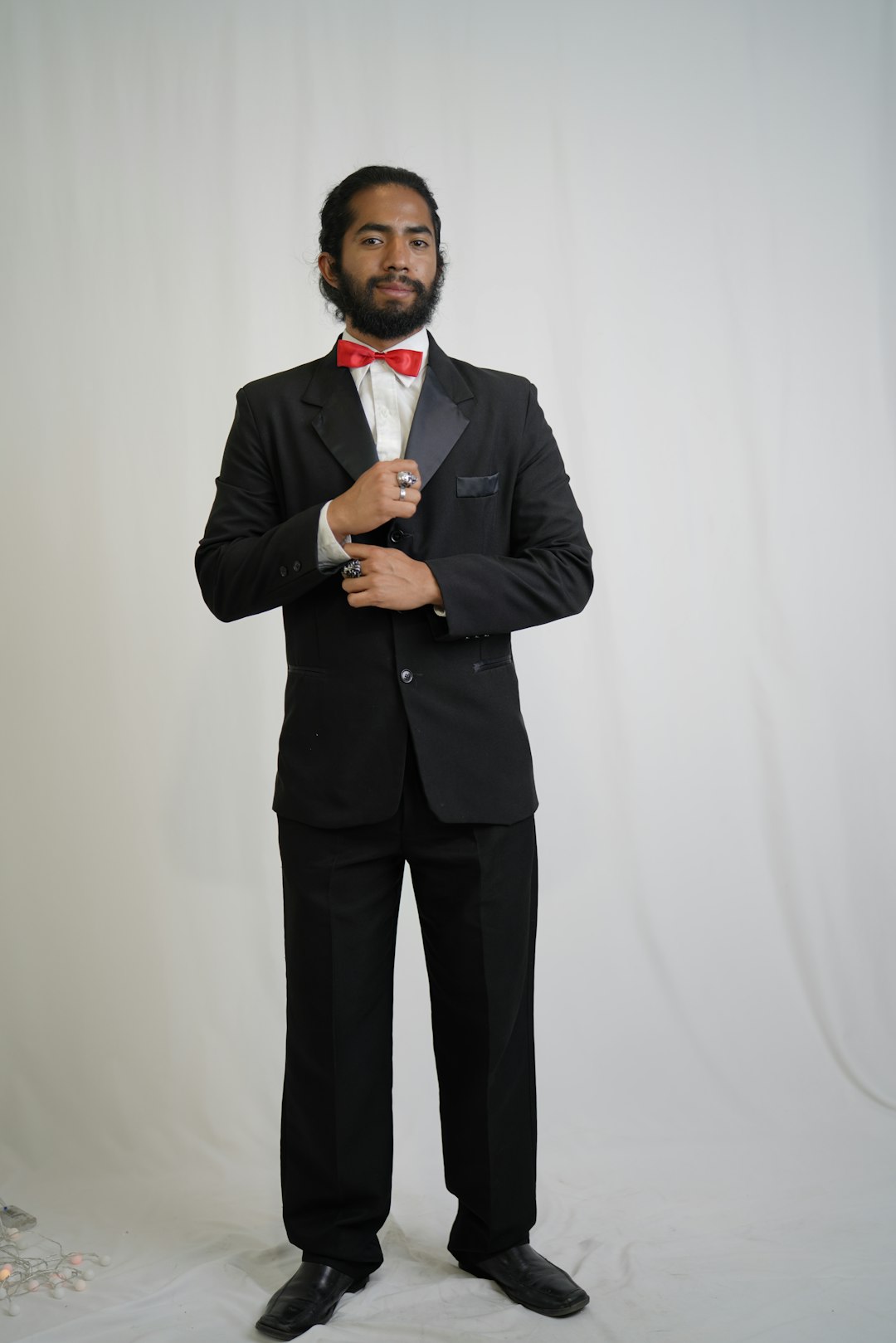
The classic butterfly is the most recognizable bow tie style. It has wide, rounded wings that resemble a butterfly in flight. This style is commonly worn with tuxedos and formal shirts, making it a reliable choice for weddings, black-tie events, and elegant dinners.
The classic butterfly works especially well for wearers with medium to broad face shapes because the wider bow balances facial proportions. It also pairs beautifully with peak lapel and shawl collar jackets.
How It Is Tied Properly
- The bow tie is placed around the collar with one end hanging slightly longer than the other.
- The longer end is crossed over the shorter end.
- The longer end is pulled up through the neck loop to create a simple knot.
- The shorter end is folded horizontally to form the front bow shape.
- The longer end is brought down over the center of that folded bow.
- The folded bow is gently pinched, creating a small opening behind it.
- The longer end is folded and pushed through the opening behind the front bow.
- Both folded ends are adjusted until the bow sits evenly and securely.
For the classic butterfly, the wearer should avoid pulling the knot too tight too early. A slightly fuller center gives the bow its signature formal shape. The wings should be balanced, but they do not need to be mathematically identical.
2. The Semi-Butterfly Bow Tie Knot
The semi-butterfly, sometimes called the thistle shape, is slightly narrower than the classic butterfly. It is one of the most versatile bow tie styles because it suits both formal and smart-casual outfits. It has enough width to look elegant, but not so much volume that it becomes theatrical.
This style is ideal for wearers who want a balanced appearance. It works with dinner jackets, lounge suits, dress shirts, and even textured fabrics such as tweed or linen. For many people, the semi-butterfly is the easiest starting point for learning how to tie a bow tie.
How It Is Tied Properly
- Start evenly: The adjustable band should fit comfortably around the collar before tying begins.
- Create a neat front fold: The shorter side is folded at its widest point to form the first wing.
- Build the knot: The longer side is dropped over the center and then folded back through the loop behind the front wing.
- Shape gradually: The wearer should pull the folded ends, not the flat ends, to tighten the bow.
- Refine the symmetry: Small adjustments should be made by tugging opposite corners until the knot sits centered.
The semi-butterfly should look natural and slightly relaxed. If it appears too flat, the wearer can gently loosen the center and lift the wings outward. If it looks bulky, the band may be too loose or the fabric may be too thick for the collar style.
3. The Batwing Bow Tie Knot
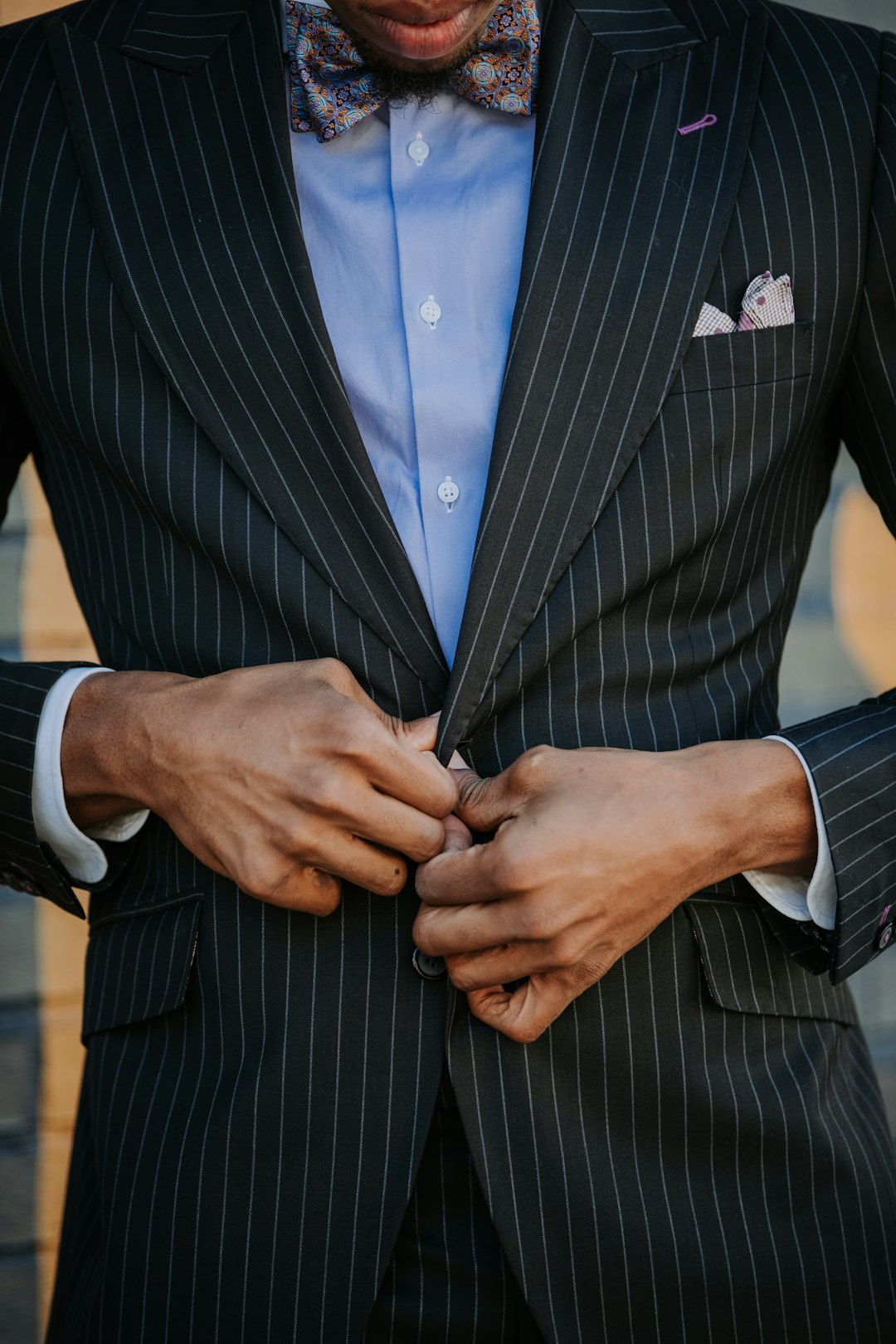
The batwing bow tie is a narrow, straight-ended style that creates a clean and contemporary look. Unlike the rounded butterfly, the batwing has slim rectangular wings. It is often chosen by wearers who prefer minimalism, vintage jazz-inspired styling, or sleek modern tailoring.
Because the batwing is narrower, it can be flattering on slimmer faces and smaller frames. It also pairs well with narrow lapels and fitted suits. In black silk, it feels elegant and understated; in cotton or patterned fabric, it can look smart and playful.
How It Is Tied Properly
The batwing follows the same basic tying structure as the butterfly, but the wearer must pay closer attention to alignment. Since the wings are straighter, uneven folds are more noticeable.
- The bow tie is positioned around the neck with one side slightly longer.
- The longer side is crossed over and pulled through the neck loop.
- The shorter side is folded horizontally, keeping its edges as straight as possible.
- The longer side is brought down over the center to create the knot’s front band.
- The longer side is folded and pushed through the rear loop.
- The wearer adjusts the bow by pulling the folded loops and smoothing the rectangular ends.
A properly tied batwing should look crisp, but not stiff. The knot should be compact, and the wings should extend horizontally rather than drooping. If the bow looks too small, the wearer may need to adjust the neck size or choose a slightly wider batwing design.
4. The Diamond Point Bow Tie Knot
The diamond point bow tie has pointed ends instead of rounded or straight ones. This gives it an expressive, slightly asymmetrical character. It is a favorite among wearers who want formal style with a touch of individuality.
The diamond point bow tie works well in silk, velvet, wool, and patterned cotton. It can be worn for creative black-tie events, cocktail parties, weddings, and stylish daytime occasions. The pointed tips naturally draw attention, so it is often best paired with a relatively simple shirt or jacket.
How It Is Tied Properly
The diamond point is tied like a standard bow tie, but its beauty comes from the way the pointed ends are displayed. The wearer should not try to hide every irregularity. A slight offset usually enhances the charm of this style.
- The first folded wing should show one pointed end clearly.
- The longer side should be brought down over the center without twisting.
- The back fold should be pushed through carefully so the second point remains visible.
- The knot should be tightened by pulling the folded sections, not the pointed tips alone.
- The final shape should show two to four points, depending on how the fabric falls.
The diamond point bow tie should not be flattened too severely. Its personality comes from dimension, angles, and movement. When tied correctly, it appears elegant but slightly artistic.
5. The Big Butterfly Bow Tie Knot
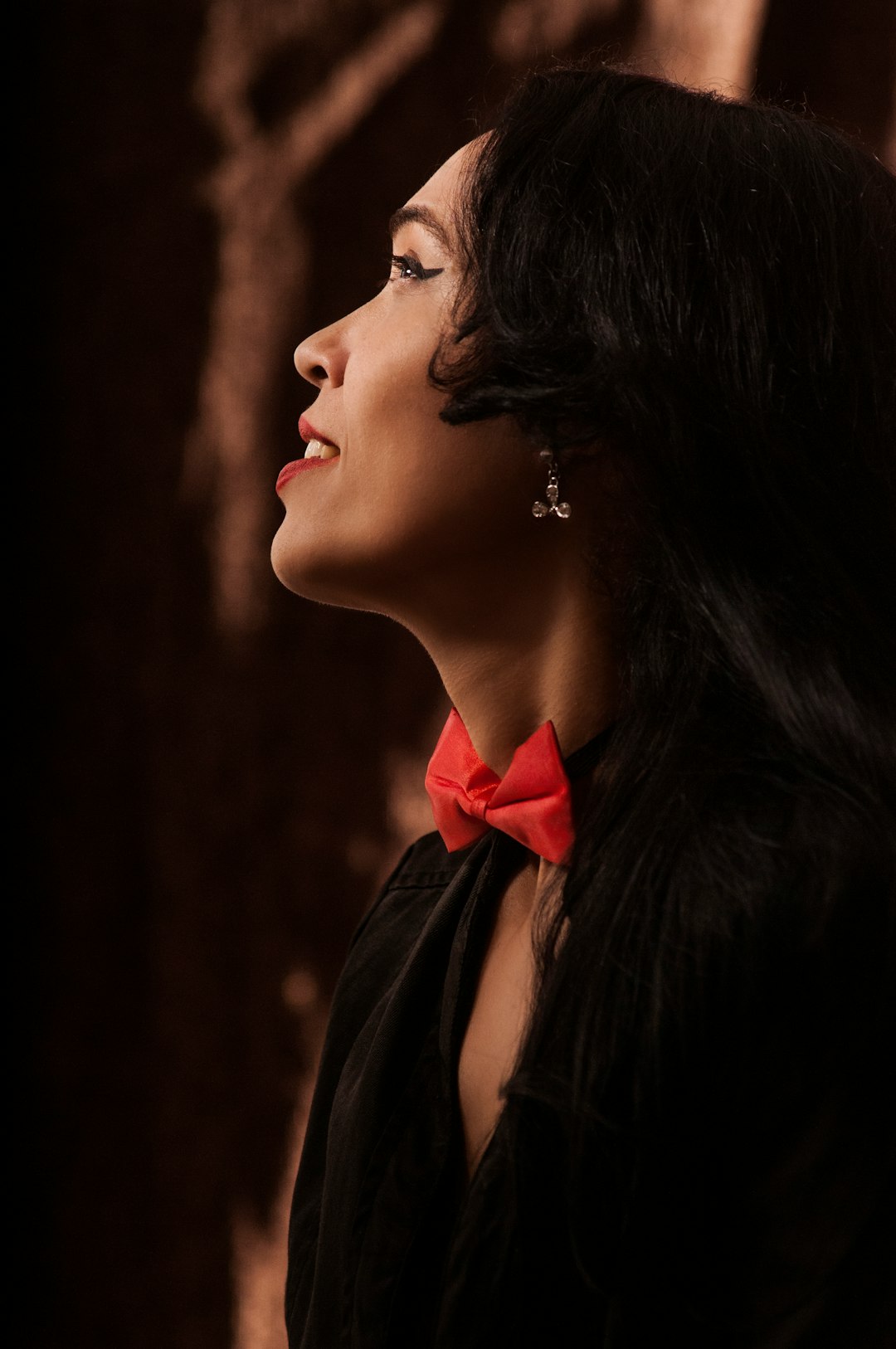
The big butterfly is a wider and fuller version of the classic butterfly. It is bold, formal, and dramatic. This style is often associated with vintage eveningwear, white-tie influences, stage attire, and high-impact black-tie dressing.
The big butterfly is best suited to wearers with broader faces, taller frames, or jackets with strong lapels. On a smaller frame, it can overwhelm the outfit unless the rest of the styling is intentionally dramatic.
How It Is Tied Properly
The tying method is familiar, but the fabric volume requires patience. The wearer should begin with the band adjusted accurately, because a loose neckband can cause the large bow to sag.
- The bow tie is placed around the collar with the longer end hanging lower.
- The longer end is crossed over the shorter end and passed upward through the loop.
- The shorter end is folded into a wide bow shape across the collar.
- The longer end is placed over the center and then folded behind the front bow.
- The folded end is pushed through the rear opening slowly to avoid bunching.
- The wearer pulls gently on alternating loops and tails until the bow becomes full and centered.
The big butterfly should have volume, but it should not cover too much of the collar. If the wings extend far beyond the outer edges of the wearer’s face, the bow may be too large for the frame.
Essential Tips for Tying Any Bow Tie Properly
Although each style has its own appearance, several rules apply to nearly all self-tied bow ties. First, the bow tie should fit the collar size. If the band is too loose, the knot will droop; if it is too tight, the wearer may feel uncomfortable and the bow may twist.
Second, the knot should be tied while standing in front of a mirror. A bow tie is built through touch and visual correction. Even experienced wearers often adjust it several times before it looks right.
Third, fabric matters. Silk creates a smooth and formal knot, cotton produces a crisp casual shape, wool adds texture and softness, and velvet creates depth and luxury. Thicker fabrics may require looser handling, while slippery fabrics need firmer control.
- For formal events: A black silk butterfly or semi-butterfly is usually the safest choice.
- For modern styling: A batwing bow tie offers a clean, narrow profile.
- For personality: A diamond point bow tie adds character without appearing careless.
- For drama: A big butterfly creates a memorable formal statement.
Common Bow Tie Mistakes to Avoid
One common mistake is aiming for perfect symmetry. A self-tied bow tie should look balanced, but a perfectly identical bow can appear artificial. The charm of a hand-tied knot lies in its slight imperfection.
Another mistake is choosing the wrong scale. A very large bow on a narrow face may distract from the outfit, while a tiny batwing on a broad face may look undersized. The bow should relate to the wearer’s face, collar, and lapels.
A third mistake is over-tightening the knot. When the center becomes too compressed, the bow loses dimension. The wearer should tighten gradually and shape the fabric with small movements rather than forceful pulls.
How to Choose the Right Bow Tie Knot Style
The right bow tie style depends on the occasion, the wearer’s proportions, and the desired tone. For timeless black-tie dressing, the classic butterfly or semi-butterfly is usually appropriate. For a modern suit, the batwing may be more suitable. For a creative event, the diamond point can provide distinction. For a bold evening look, the big butterfly may be the strongest choice.
Color and pattern also influence the final result. Solid black, midnight blue, ivory, and deep burgundy appear formal. Polka dots, paisley, florals, tartans, and textured weaves feel more expressive. The more decorative the fabric, the simpler the rest of the outfit should usually be.
FAQ
What is the easiest bow tie knot style to learn?
The semi-butterfly is often the easiest style to learn because it has a moderate width and balanced shape. It is not as narrow as a batwing or as full as a big butterfly, making it forgiving for beginners.
Should a bow tie be perfectly symmetrical?
No. A self-tied bow tie should look balanced, but not perfectly symmetrical. Slight unevenness gives the knot character and proves that it was tied by hand.
Which bow tie knot is best for black-tie events?
A black silk classic butterfly or semi-butterfly is usually best for black-tie events. These styles pair well with tuxedos and formal evening shirts.
How tight should a bow tie be?
A bow tie should feel secure but comfortable. The band should sit neatly under the collar without choking the wearer or sagging away from the neck.
Can a bow tie be worn casually?
Yes. Cotton, linen, wool, and patterned bow ties can be worn casually with button-down shirts, blazers, sweaters, or relaxed suits. In casual outfits, the batwing and diamond point styles are especially effective.
Why does a bow tie look uneven after tying?
Unevenness may come from an incorrect band size, twisted fabric, or pulling the wrong sections during adjustment. The wearer should tighten by gently pulling the folded loops and tails in small alternating movements.
Is a self-tied bow tie better than a pre-tied bow tie?
For formal and style-conscious occasions, a self-tied bow tie is generally considered more elegant. It has natural shape, depth, and individuality that a pre-tied bow often lacks.