Best quick pick: SimpliSafe is the easiest all-around choice, Ring Alarm is best if you already use Ring cameras, and Abode is the smart-home nerd’s favorite. Renters matter here too. About 36% of U.S. households rent, so peel-and-stick security is not some tiny side quest [source: U.S. Census Bureau].
TLDR: Pick Ring Alarm for a small apartment, SimpliSafe for simple whole-home coverage, and Abode if you want smart lights, locks, and sensors to play together. For example, a 700-square-foot apartment may need only 1 base station, 1 keypad, 1 motion sensor, and 3 contact sensors. A 2,000-square-foot home may need 10 to 15 sensors, plus cameras. That is where monthly plans and add-on prices start to sting.
1. SimpliSafe: Best for “just make it work” security
SimpliSafe is the friend who shows up on time and brings snacks. It is easy. It is clean. It does not ask you to drill holes in your wall until your landlord appears in your nightmares.
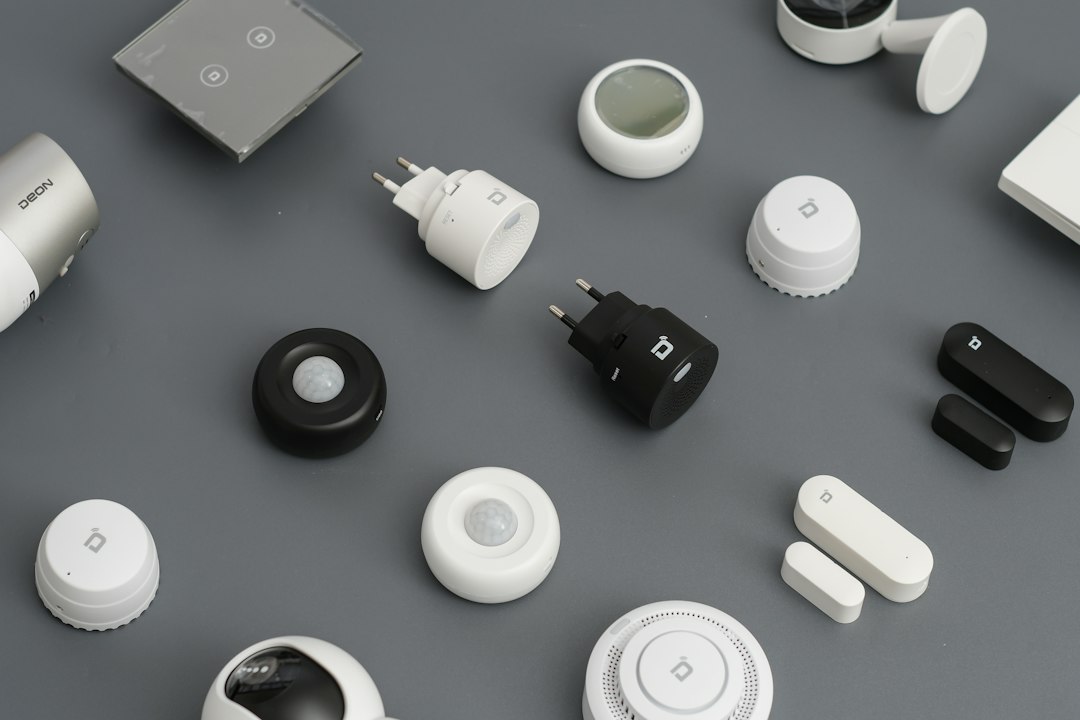
The setup is very renter-friendly. You get a base station, keypad, entry sensors, motion sensors, and optional cameras. Most parts use adhesive strips. So you can move them later.
Best for: apartments, condos, townhomes, and full houses.
- Pros: Easy setup. Simple app. Good sensor range.
- Cons: Cameras are fine, not amazing. Smart-home support is limited.
- Pick it if: you want security without a weekend project.
Honestly, it feels like SimpliSafe was built for people who do not want to become a part-time security technician. That is a compliment.
2. Ring Alarm: Best for Ring camera fans
Ring Alarm makes the most sense if you already have a Ring doorbell or camera. The app keeps everything in one place. Door opens. Camera records. Phone buzzes. You panic for two seconds. Then you see it is a delivery driver.
Ring is great for renters because the starter kits are affordable and simple. It also works nicely with Alexa. If your home is already full of Echo speakers, this is an easy win.
If front-door alerts are your biggest concern, pair Ring Alarm with a smart doorbell. You can also compare options in this guide to video doorbells for package monitoring.
- Pros: Great camera pairing. Strong app. Good starter prices.
- Cons: Best features need a paid plan. Privacy concerns may bother some users.
- Pick it if: you want one app for alarms and cameras.
3. Abode: Best for smart-home fans
Abode is the fun one. It plays well with lots of smart-home gear. Think lights, locks, sensors, buttons, and automations. Want the hallway light to turn on when the front door opens? Abode can do that.
It is also good for renters. The sensors are small. The system is flexible. You can start tiny and build up later.
- Pros: Great smart-home support. Good for DIY setups. Flexible plans.
- Cons: Setup can take longer. The app has more menus than some people want.
- Pick it if: you like control and automation.
The catch is that Abode can feel a bit fiddly. Expect to spend extra minutes naming rooms, setting rules, and testing alerts. Not awful. Just a little “why is this switch called switch 3?” energy.
4. Arlo Home Security: Best for sensor design
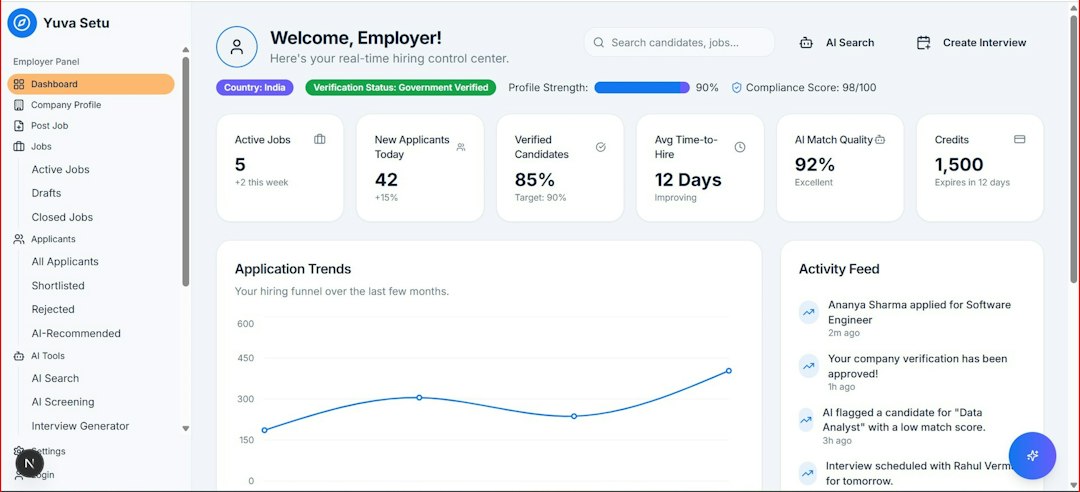
Arlo Home Security is newer than some rivals, but it has a clever trick. Its all-in-one sensor can detect several things. It can notice motion, open doors, water leaks, light changes, and temperature shifts.
That sounds like security wearing a tiny superhero cape.
Arlo also makes popular cameras. So this system fits well if you already use Arlo devices. It is useful for apartments because one sensor can cover more jobs.
- Pros: Smart sensors. Strong camera options. Good app design.
- Cons: Smaller alarm ecosystem. Can get pricey with cameras.
- Pick it if: you want fewer sensors doing more work.
5. Cove: Best for guided setup
Cove is great if you want help choosing gear. Its setup process feels guided. You answer questions. Cove suggests equipment. It is less “figure it out yourself” and more “here, start with this.”
That is nice for first-time buyers. It is also useful for larger homes where you may forget a back door, basement window, or garage entry.
- Pros: Helpful setup. Good customer support. Simple equipment.
- Cons: Less stylish hardware. Fewer smart-home features.
- Pick it if: you want a human-feeling setup process.
6. ADT Self Setup: Best for name recognition
ADT Self Setup gives you DIY gear with the ADT name behind it. That name still matters to many people. It can feel reassuring, especially for whole-home monitoring.
This system is better for homeowners than tiny apartments, but renters can still use it. Just check your plan and equipment costs before buying.
- Pros: Known brand. Solid monitoring options. Good for bigger homes.
- Cons: Costs can climb. Not always the cheapest path.
- Pick it if: you want a major security brand without old-school installation.
Best picks by living situation
- Studio apartment: Ring Alarm or SimpliSafe.
- One-bedroom rental: SimpliSafe, Ring Alarm, or Abode.
- Smart apartment: Abode.
- Camera-heavy setup: Ring Alarm or Arlo.
- Large house: SimpliSafe, Cove, or ADT Self Setup.
- First security system: SimpliSafe or Cove.
Quick buying tips
Start with doors first. Then cover ground-floor windows. Add motion sensors after that. Cameras come last unless packages vanish from your porch like magic.
Also protect your account. Use a strong password and two-factor login. A smart alarm is only as safe as the account behind it. If browser warnings confuse you, this plain guide to website security warnings can help.
Final pick: choose SimpliSafe if you want the safest middle ground. Choose Ring Alarm if you love Ring cameras. Choose Abode if smart-home tricks make you happy. For most renters, keep it simple. Cover the door. Cover the windows. Sleep better.