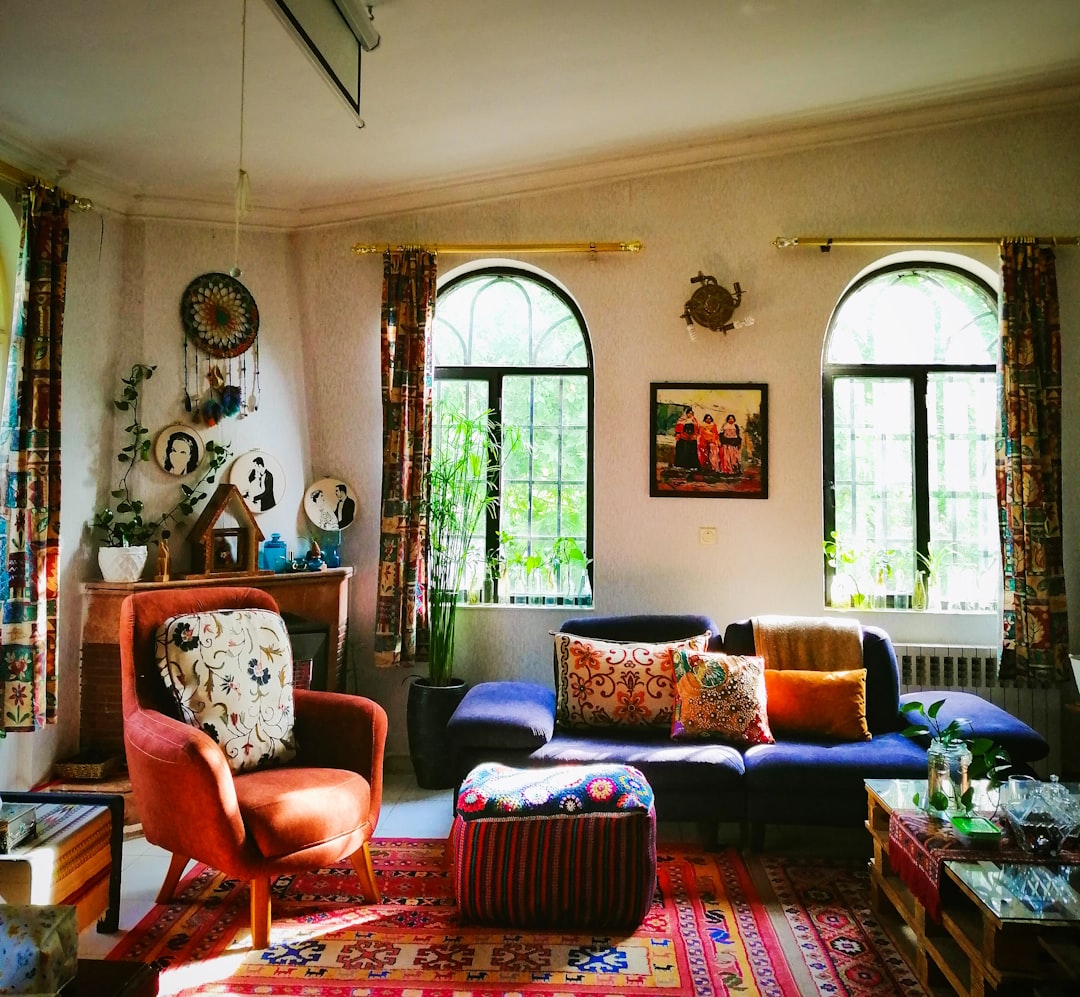
Choosing the right interior design style for a home is less about following a trend and more about understanding how the people who live there want to feel, function, and express themselves every day. A well-chosen style creates visual harmony, supports daily routines, and makes each room feel intentional rather than accidental. When a homeowner approaches the process thoughtfully, the result can be a space that feels both beautiful and deeply personal.
TLDR: The right interior design style is chosen by balancing personal taste, lifestyle needs, architecture, budget, and long-term comfort. A homeowner should study inspiration, identify repeated preferences, consider how each room is used, and avoid copying trends without context. The best style is one that feels natural, practical, and flexible enough to evolve over time.
Understanding What an Interior Design Style Really Means
An interior design style is more than a collection of furniture, colors, and decorative objects. It is a visual language that shapes how a room feels and how its elements relate to one another. For example, a minimalist home may communicate calm and order, while a maximalist space may express creativity, warmth, and personality.
Many homeowners begin by asking which style is “best,” but the better question is which style suits the home, the occupants, and the way life happens inside the space. A beautiful room that does not support everyday living can quickly become frustrating. The most successful interiors combine aesthetic appeal with comfort, function, and authenticity.
Start With Lifestyle, Not Trends
Before choosing between modern, traditional, farmhouse, Scandinavian, bohemian, or industrial design, the homeowner should consider daily habits. A family with young children may need durable fabrics, rounded furniture, and generous storage. A person who works from home may need calm colors, strong lighting, and a defined workspace. Someone who entertains often may prioritize open seating, layered lighting, and conversation-friendly layouts.
Useful lifestyle questions include:
- How is each room used most often?
- Who lives in the home, including children or pets?
- Does the household prefer formal spaces or relaxed comfort?
- How much maintenance is realistic?
- Is storage a daily challenge?
These answers help narrow the design direction. A highly polished contemporary style may look impressive, but it may not work for someone who prefers softness and collected charm. Likewise, a rustic style may feel cozy, but it may not suit a person who wants sleek surfaces and minimal visual clutter.
Study the Home’s Architecture
The existing architecture of a home often provides valuable clues. A historic house with crown molding, arched doorways, and original woodwork may naturally support traditional, transitional, vintage, or eclectic interiors. A new apartment with clean lines and large windows may suit modern, Scandinavian, minimalist, or contemporary styles.
This does not mean the homeowner must strictly match the architecture. Contrast can be powerful when handled carefully. For instance, modern furniture inside an older home can create a fresh and sophisticated look. However, the contrast should feel intentional. If the details of the building and the furniture seem to compete, the space may feel disjointed.
A helpful approach is to identify the home’s permanent features, such as flooring, window shapes, ceiling height, built-in cabinetry, fireplace design, and trim. These elements are often expensive to change, so the chosen style should either complement them or provide a clear reason for contrast.
Create a Visual Inspiration Collection
One of the best ways for a homeowner to discover their preferred interior design style is to gather visual inspiration. This can include magazine clippings, saved images, showroom photos, hotel interiors, restaurant designs, or homes they have visited and admired. After collecting images, patterns usually begin to appear.
The homeowner might notice repeated preferences such as:
- Warm wood tones and natural materials
- White walls and simple furniture
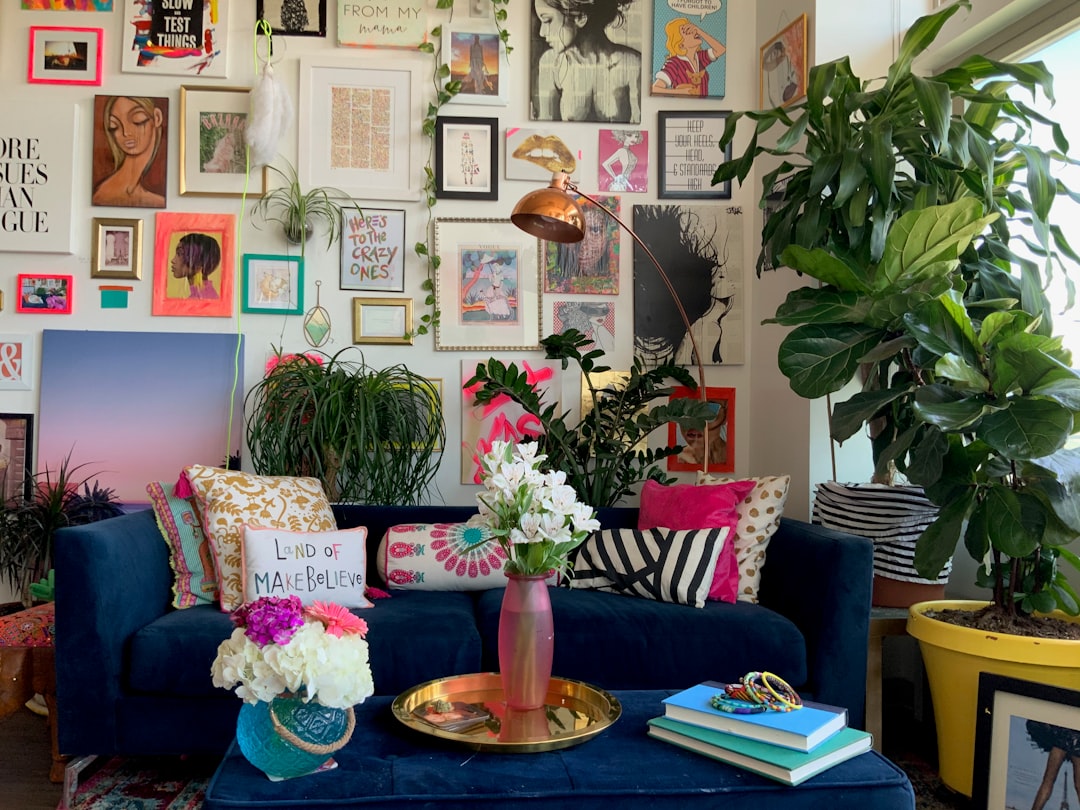
- Bold colors and layered patterns
- Curved silhouettes and soft textures
- Black metal accents and exposed brick
- Vintage pieces mixed with modern lighting
Once these patterns are identified, the homeowner can translate them into style categories. A love of pale woods, clean lines, and cozy textiles may point toward Scandinavian design. A preference for ornate mirrors, antiques, and elegant fabrics may suggest traditional design. A mix of eras, colors, and collected objects may indicate an eclectic or bohemian style.
Learn the Main Interior Design Styles
Although every home can be unique, understanding common design styles helps a homeowner make clearer decisions. Each style has recognizable features, but none must be followed rigidly.
- Modern: Clean lines, simple shapes, open space, and minimal ornamentation.
- Contemporary: Current and evolving, often using sleek finishes, neutral palettes, and sculptural pieces.
- Traditional: Classic furniture, symmetry, rich woods, refined details, and elegant fabrics.
- Transitional: A balanced blend of traditional warmth and modern simplicity.
- Scandinavian: Light colors, natural materials, cozy textures, and practical simplicity.
- Industrial: Metal, wood, concrete, exposed details, and a slightly raw urban feeling.
- Farmhouse: Comfortable, rustic, casual, and often centered on wood, white tones, and practical charm.
- Bohemian: Layered, artistic, colorful, relaxed, and filled with global or handmade elements.
- Minimalist: Reduced clutter, restrained color, functional furniture, and emphasis on calm space.
- Mid century modern: Tapered legs, organic forms, warm woods, and retro-inspired simplicity.
The homeowner may discover that one pure style feels too limiting. In many successful homes, the final look is a blend. For example, a person may choose a transitional foundation with Scandinavian colors and vintage accents.
Consider Color Preferences Carefully
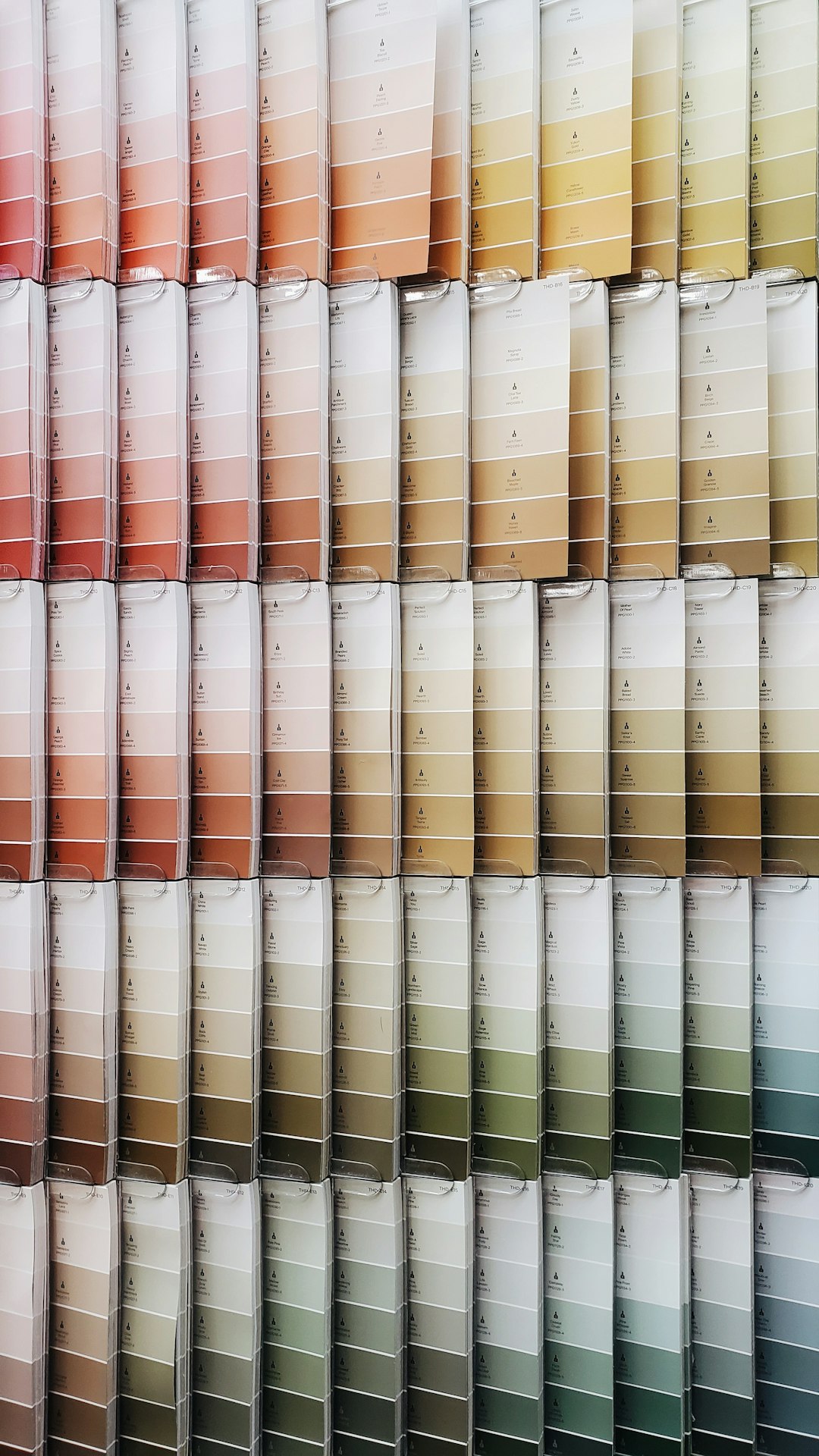
Color plays a major role in defining interior style. A homeowner who loves calm, airy rooms may enjoy soft neutrals, muted greens, pale blues, or warm whites. Someone who feels energized by drama may prefer deep navy, charcoal, emerald, terracotta, or burgundy.
The key is not simply choosing favorite colors, but understanding how those colors behave in the home. Natural light, room size, ceiling height, and flooring can all affect how a color appears. A shade that looks soft in a showroom may look much darker in a north-facing room.
A practical strategy is to choose a base palette first. This usually includes walls, large furniture, rugs, and major finishes. Accent colors can then be added through pillows, artwork, lamps, curtains, and accessories. This approach gives the homeowner flexibility and reduces the risk of expensive mistakes.
Balance Beauty With Function
A design style should support how the home operates. An elegant glass coffee table may suit a formal sitting room, but it may be impractical in a busy family room. Open shelving may look attractive in a kitchen, but it requires consistent organization. A pale sofa may create a soft, refined look, but it may not be ideal for pets or frequent guests unless the fabric is washable and durable.
Function does not have to weaken style. In fact, thoughtful function often makes a space more beautiful because the room feels organized and comfortable. Storage benches, performance fabrics, washable rugs, dimmable lighting, and modular furniture can all help maintain the chosen aesthetic while improving daily life.
Set a Realistic Budget
Budget has a strong influence on design style. Some styles are easier to achieve affordably than others. Minimalist and Scandinavian interiors can be budget-friendly if the homeowner focuses on simplicity and well-chosen pieces. Traditional interiors may require investment in quality furniture, detailed upholstery, and layered decor. Industrial or vintage-inspired spaces can often incorporate secondhand finds and reclaimed materials.
A budget should be divided into categories such as furniture, lighting, rugs, paint, window treatments, art, accessories, and labor. The homeowner should identify which items deserve the greatest investment. Sofas, mattresses, dining tables, and durable flooring often justify higher spending because they are used frequently and expected to last.
Smaller accents can be updated over time. This allows the home to evolve without requiring a complete redesign whenever tastes change.
Test the Style Before Committing
Before fully committing to a design style, the homeowner can test it in small ways. A bedroom, entryway, reading corner, or powder room can become a low-risk experiment. Paint samples, fabric swatches, temporary wallpaper, and sample boards can also help clarify the direction.
A simple mood board is especially useful. It may include colors, furniture shapes, lighting ideas, flooring samples, hardware finishes, and decor inspiration. When these pieces are viewed together, it becomes easier to see whether the style feels cohesive or confused.
Avoid Copying a Room Exactly
Inspiration is valuable, but copying a room exactly often leads to disappointment. The original image may have different lighting, proportions, architecture, or styling. A homeowner should instead identify why the room is appealing. It may be the contrast, color palette, furniture arrangement, texture, or mood.
By extracting principles rather than copying products, the homeowner creates a more personal result. The goal is not to reproduce someone else’s home, but to build a space that reflects the people who live there.
Mixing Styles Successfully
Many homes look best when they combine two or three compatible styles. A transitional home may include modern lighting, traditional furniture, and natural textures. A bohemian room may include mid century seating and rustic wood pieces. The secret is to create unity through repeated elements.
Designers often use the following methods to make mixed styles feel intentional:
- Repeat colors throughout the space.
- Use consistent metal finishes or limit finishes to two or three.
- Balance old and new pieces instead of clustering one style in one area.
- Maintain similar scale so furniture pieces feel related.
- Layer texture through rugs, textiles, wood, stone, and plants.
Think About Longevity
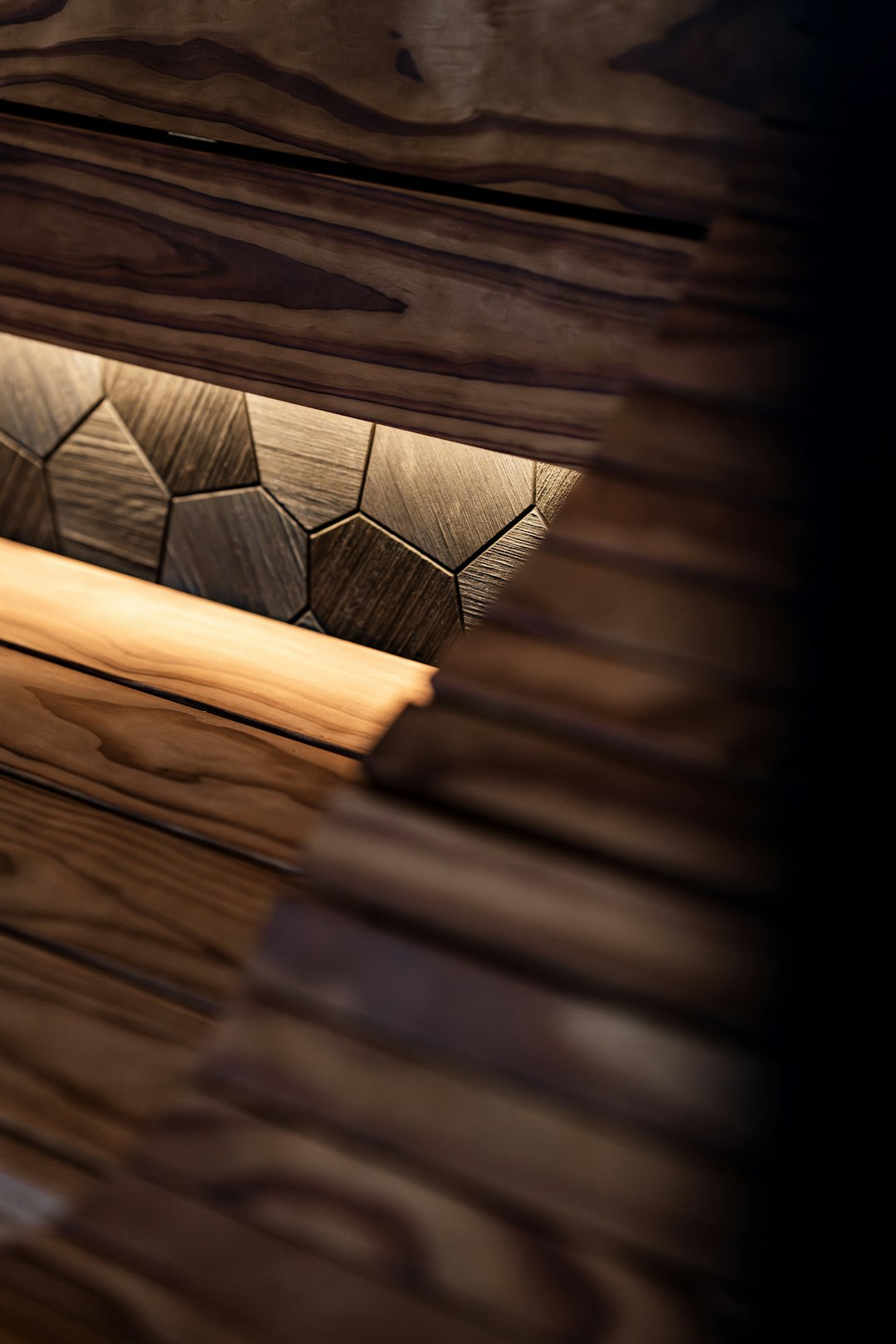
A strong interior design style should age well. Trends can be exciting, but they are best used in flexible ways. A trendy color may work beautifully on pillows, artwork, or a small accent wall, while permanent choices such as flooring, cabinetry, and large furniture may benefit from a more timeless approach.
The homeowner should ask whether the style will still feel appealing in five years. If the answer is uncertain, the style may need to be softened or balanced with classic elements. Longevity does not mean boring; it means creating a foundation that can adapt as preferences change.
Trust Personal Comfort
Ultimately, the right interior design style is the one that feels comfortable, meaningful, and livable. A home does not need to impress everyone. It should support the people who use it every day. If a homeowner feels relaxed, inspired, and at ease in the space, the style is likely working.
Interior design is both practical and emotional. It involves measurements, materials, lighting, and budgets, but it also involves memory, identity, and atmosphere. When all of these elements are considered together, the home becomes more than a decorated space. It becomes a reflection of life inside it.
FAQ
How does a homeowner know which interior design style is right?
A homeowner can identify the right style by studying repeated preferences in inspiration images, considering lifestyle needs, evaluating the home’s architecture, and testing colors or materials before making major purchases.
Can different interior design styles be mixed in one home?
Yes. Mixing styles often creates a more personal and interesting home. The key is to maintain unity through repeated colors, balanced proportions, consistent materials, and thoughtful placement.
What is the safest interior design style for long-term appeal?
Transitional design is often considered a safe long-term choice because it blends classic and modern elements. It feels current without becoming too trend-dependent.
Should the furniture match the architecture of the home?
It does not have to match exactly, but it should relate to the architecture in some way. A deliberate contrast can work well, while a random mismatch may make the space feel disconnected.
How can a homeowner choose a style on a limited budget?
A homeowner can begin with paint, lighting, textiles, and secondhand furniture. Investing in a few key pieces while using affordable accessories can create a strong style without overspending.
Is it better to follow trends or personal taste?
Personal taste should lead the process. Trends can be used as accents, but the main design choices should reflect comfort, function, and long-term satisfaction.