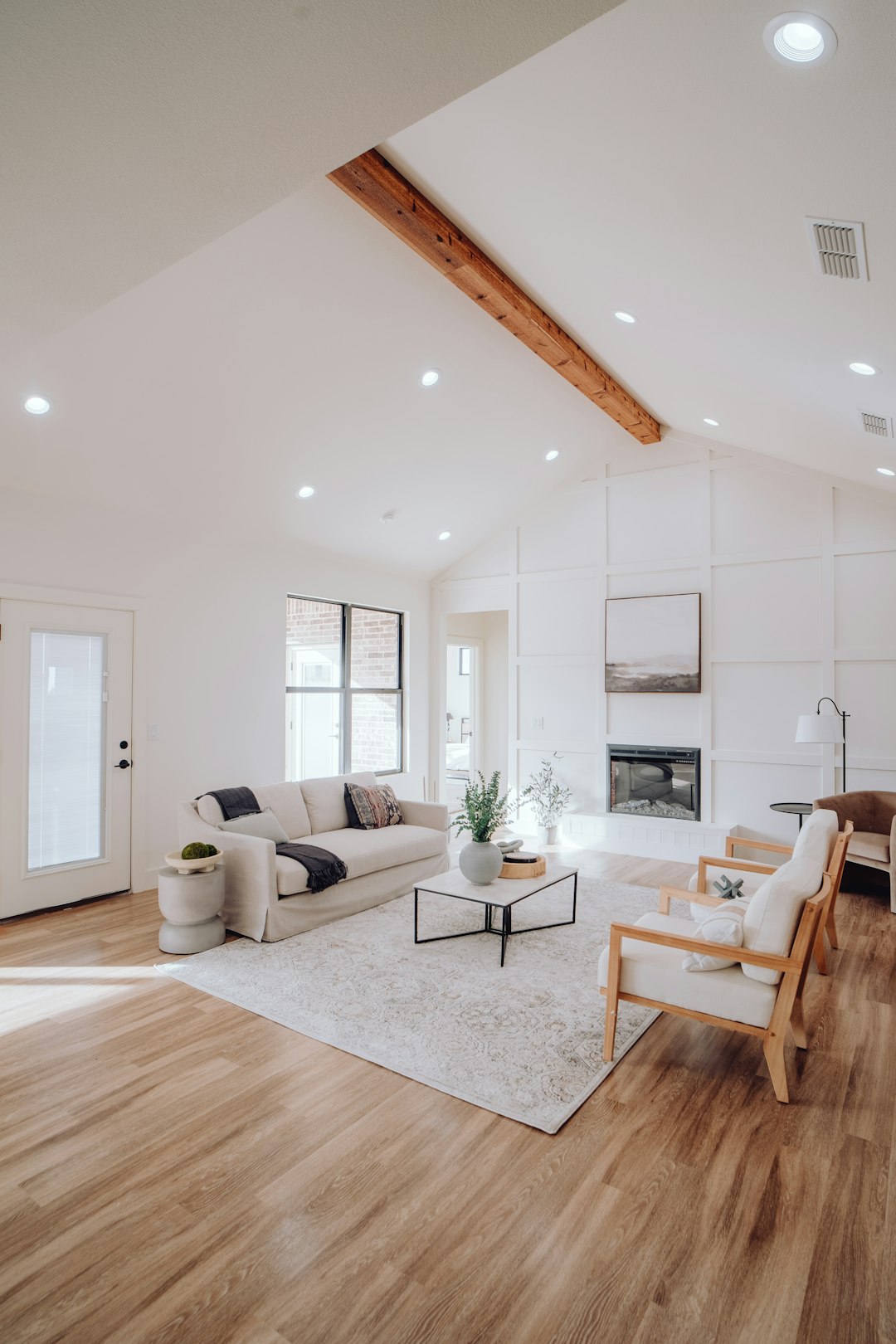
Finding the right interior designer is not simply a matter of choosing someone with attractive photos online. A good designer will understand your lifestyle, respect your budget, improve the function of your space, and guide you through decisions that can affect your home for years. If you have searched for “the best interior designer near me”, the real challenge is knowing how to separate genuine expertise from polished marketing.
TLDR: To find the best interior designer near you, start by defining your goals, budget, style preferences, and project timeline. Review portfolios carefully, check credentials and references, and schedule consultations with several designers before making a decision. The right designer should communicate clearly, provide transparent pricing, understand your practical needs, and have proven experience with projects similar to yours.
Start With a Clear Understanding of Your Project
Before contacting any designer, take time to define what you actually need. Interior design can include anything from choosing paint colors and furniture to managing a full renovation involving contractors, lighting plans, custom cabinetry, and space planning. The more specific you are from the beginning, the easier it will be to find a professional whose skills match your project.
Ask yourself whether you need help with one room, an entire home, a commercial space, or a renovation. Consider whether your priority is aesthetics, better storage, improved layout, increased property value, or all of these. You should also decide how involved you want to be. Some clients want a designer to handle nearly everything, while others prefer professional guidance while making many decisions themselves.
It is helpful to create a short written brief. Include your goals, preferred style, must-have features, dislikes, timeline, and budget range. This document does not need to be perfect, but it will make your first conversations with designers more productive and professional.
Look Beyond the First Search Result
Searching online for “interior designer near me” is a practical starting point, but it should not be the only step. Search engines often show businesses based on location, advertising, and website optimization, not necessarily quality. A designer who appears first online may be excellent, but you should still compare several options before committing.
Use a combination of sources. Review local business listings, professional directories, social media profiles, design publications, and recommendations from people you trust. If a friend, real estate agent, architect, contractor, or furniture showroom has worked with a designer before, their feedback can be valuable.
Pay attention to consistency. A trustworthy designer will usually have a clear online presence, a professional portfolio, visible contact information, and reviews that seem detailed and authentic. Be cautious if you find very little information, no examples of completed work, or reviews that all sound vague and repetitive.
Study Portfolios With a Critical Eye
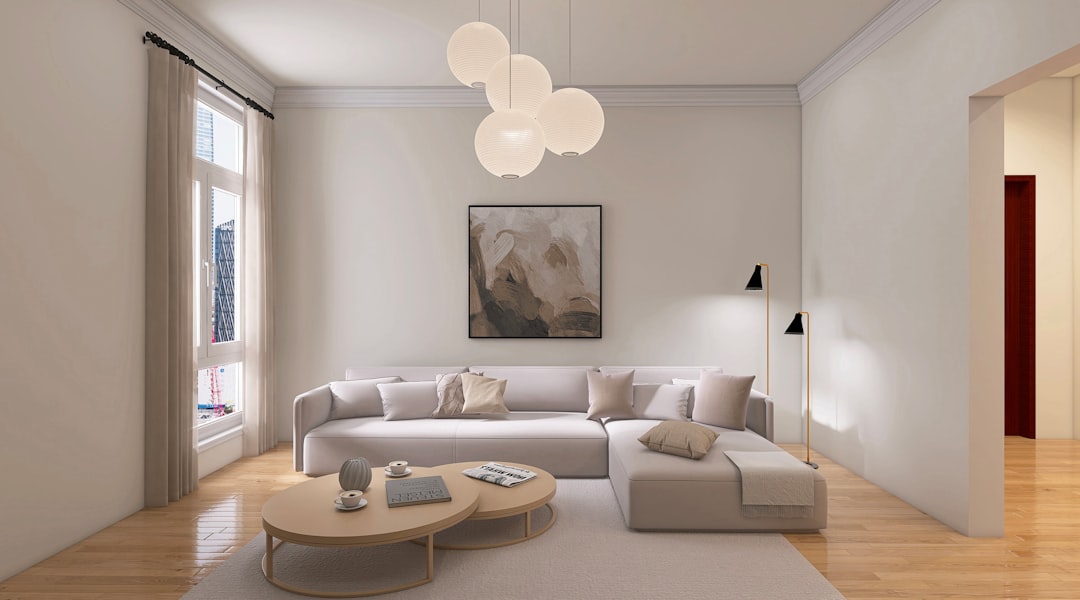
A portfolio is one of the most important tools for evaluating an interior designer. However, do not simply ask whether you like the photos. Look deeper. A strong portfolio should show not only beautiful spaces but also variety, attention to detail, and thoughtful solutions.
Consider whether the designer has experience with projects similar to yours. For example, if you live in a compact apartment, a designer who specializes in large luxury homes may not be the best fit unless they can demonstrate skill with small-space planning. If you want a historic home updated carefully, look for experience with architectural character, preservation, and sensitive modernization.
Review the functionality of the spaces. Does the furniture layout make sense? Is the lighting layered and practical? Are materials appropriate for the way the room will be used? Do the rooms feel personal, or do they all look nearly identical? The best interior designers do not impose the same style on every client. They interpret each client’s needs and create a space that feels tailored.
Check Credentials, Training, and Professional Experience
Interior design is a serious profession that combines creativity with technical knowledge. Depending on the scope of your project, credentials may matter a great deal. For decorating-focused projects, formal licensing may not always be necessary. But for renovations involving structural considerations, building codes, accessibility, lighting plans, or coordination with architects and contractors, professional training becomes more important.
Ask about the designer’s education, certifications, years of experience, and professional memberships. In some regions, interior designers may be licensed or registered, especially when they work on commercial projects. You can also ask whether they carry professional liability insurance, particularly for larger projects.
Experience should be relevant, not merely impressive. A designer who has completed many projects like yours will likely anticipate common problems, recommend suitable materials, manage vendors effectively, and help you avoid costly mistakes.
Read Reviews and Ask for References
Online reviews can reveal useful patterns, especially when they mention communication, reliability, budget control, and problem-solving. Look for detailed reviews that describe the project and the client’s experience. A few negative comments do not automatically disqualify a designer, but repeated complaints about missed deadlines, unclear billing, or poor communication should be taken seriously.
For a significant project, ask for references from past clients. When speaking with references, ask direct but respectful questions:
- Was the designer easy to communicate with?
- Did the project stay close to the agreed budget?
- Were timelines realistic?
- How did the designer handle problems or changes?
- Would you hire this designer again?
References can help you understand what it is actually like to work with the designer after the initial excitement fades. A beautiful final result matters, but so does the process of getting there.
Understand the Designer’s Process
Every professional designer should be able to explain their process clearly. This may include an initial consultation, site visit, design proposal, concept development, space planning, sourcing, budgeting, ordering, project coordination, and final installation. A vague process can lead to misunderstandings and frustration.
During your consultation, ask what you can expect at each stage. Find out how decisions are made, how many design revisions are included, how products are approved, and how communication is handled. Some designers use project management software, while others rely on email, meetings, or shared documents. The best system is the one that keeps everyone informed and accountable.
You should also ask who will actually work on your project. In some firms, the lead designer handles every detail. In others, junior designers or project coordinators may manage parts of the work. There is nothing wrong with a team approach, but you should understand who your main contact will be.
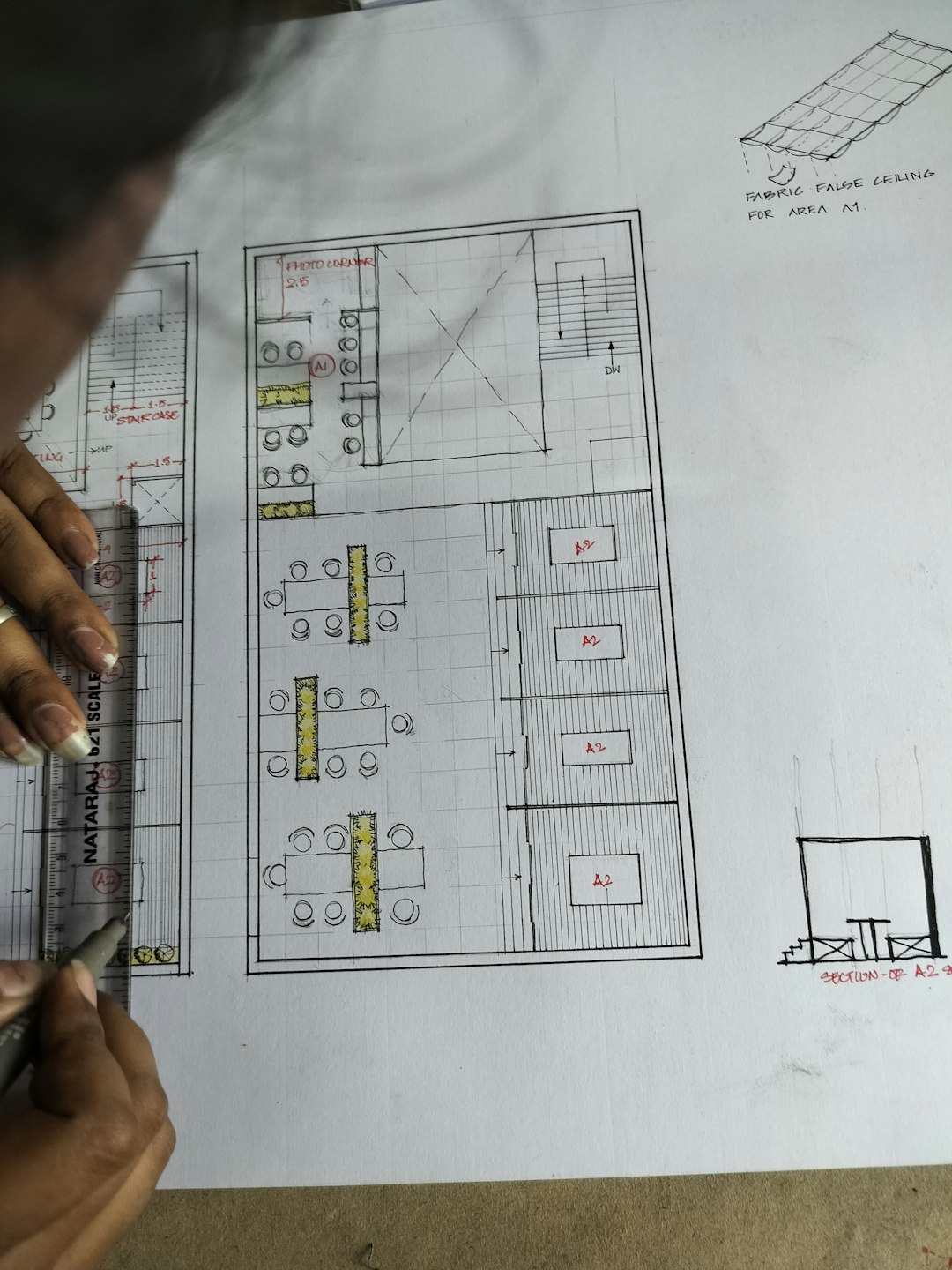
Be Honest About Your Budget
Many homeowners hesitate to share their real budget because they worry a designer will spend every penny. In reality, withholding your budget can make the process less efficient and less accurate. A trustworthy designer needs financial parameters to recommend appropriate products, materials, and solutions.
Interior design costs can include design fees, furniture, lighting, rugs, window treatments, labor, delivery, installation, contractor fees, permits, and contingency funds. Even a room refresh can become expensive if you are purchasing quality pieces. A serious designer should help you understand what is realistic for your budget and where your money will have the greatest impact.
Ask how the designer charges. Common fee structures include:
- Hourly fees: Useful for consultations, smaller projects, or flexible support.
- Flat fees: Often used for clearly defined projects with a set scope.
- Percentage of project cost: Common for larger design and renovation projects.
- Retail or product markup: Used when the designer sources and purchases items on your behalf.
Make sure pricing is explained in writing. You should understand what is included, what costs extra, when payments are due, and how changes are handled.
Compare Communication Styles
Interior design is personal. A designer may be talented, but if communication feels difficult from the start, the project may become stressful. During your first conversations, notice whether the designer listens carefully, asks thoughtful questions, and responds clearly. They should be confident enough to give professional advice while still respecting your preferences.
Good designers do not simply agree with everything you say. They may challenge an idea if it conflicts with your goals, budget, or the function of the space. However, they should explain their reasoning respectfully. You want someone who can guide you, not pressure you.
Responsiveness also matters. If a designer takes a very long time to reply before you have signed a contract, that may indicate how communication will go later. Some delays are understandable, especially for busy professionals, but expectations should be clear.
Schedule Consultations With More Than One Designer
It is wise to speak with at least two or three designers before choosing one. Consultations allow you to compare personalities, processes, pricing, and ideas. Some designers offer free introductory calls, while others charge for in-depth consultations. A paid consultation can still be worthwhile if it provides meaningful guidance.
Prepare questions in advance. You might ask:
- Have you completed projects similar to mine?
- What is your typical timeline for this type of work?
- How do you handle budget changes?
- Can you work with my existing furniture or finishes?
- Do you coordinate with contractors, architects, or installers?
- What information do you need from me before starting?
After each consultation, take notes. It can be easy to forget details once you have spoken with several professionals. Compare not only the estimated cost, but also the level of professionalism, clarity, and trust you felt.
Review the Contract Carefully
Never begin a substantial interior design project without a written agreement. A professional contract protects both you and the designer. It should define the scope of work, fee structure, payment schedule, estimated timeline, purchasing terms, cancellation policy, revision limits, and responsibilities of each party.
Look carefully at procurement terms. If the designer orders furniture or materials for you, the contract should explain deposits, refunds, returns, shipping, storage, damages, and delivery timelines. Custom items are often non-refundable, so you need to approve selections carefully before orders are placed.
If contractors are involved, clarify whether the designer is managing them, recommending them, or simply coordinating design details with them. Interior designers are not always general contractors, and the distinction is important.
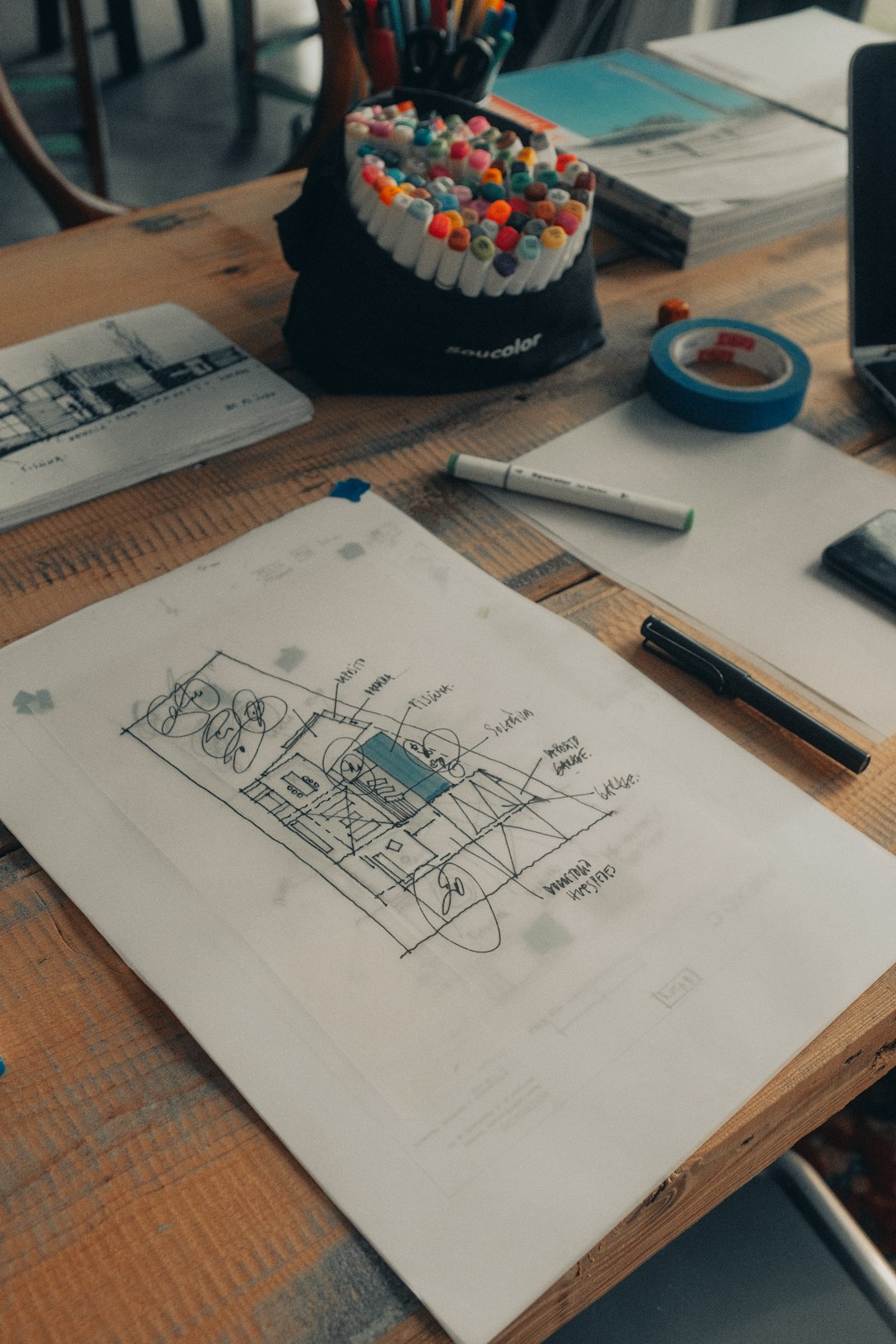
Watch for Red Flags
While many interior designers are ethical and highly skilled, you should still be alert to warning signs. Be cautious if a designer refuses to provide a written contract, avoids discussing fees, guarantees unrealistic timelines, or pressures you to make immediate decisions. Also be wary of anyone who dismisses your budget or seems more interested in selling products than understanding your needs.
Another red flag is a portfolio that cannot be verified. Some images online may be inspiration photos rather than actual completed projects. It is acceptable for designers to show mood boards or concept images, but they should be clear about what represents their own work.
Trust your instincts. If you feel confused, rushed, or uncomfortable, continue your search. A design project requires collaboration, and trust is essential.
Consider Local Knowledge and Vendor Relationships
Choosing a designer near you has practical advantages. A local designer is more likely to understand regional architecture, climate considerations, local suppliers, permit requirements, and reliable tradespeople. They may also have relationships with showrooms, fabricators, furniture vendors, and contractors that can improve the quality and efficiency of your project.
Local knowledge can be especially valuable when selecting materials. For example, flooring, fabrics, and outdoor furnishings should be appropriate for your climate and lifestyle. A designer who regularly works in your area may know which products perform well and which ones tend to cause problems.
Choose the Designer Who Offers the Best Fit
The best interior designer near you is not necessarily the most famous, the cheapest, or the one with the largest portfolio. The best choice is the professional who understands your goals, communicates clearly, has relevant experience, and can deliver a thoughtful design within realistic constraints.
When making your final decision, balance creativity with professionalism. A designer should inspire confidence, but also provide structure. They should have strong taste, but also practical judgment. Most importantly, they should be someone you trust to make decisions that support your home, your lifestyle, and your investment.
Finding the right interior designer takes time, but the effort is worthwhile. With careful research, honest conversations, and a clear agreement, you can choose a professional who will help turn your space into something more functional, beautiful, and enduring.