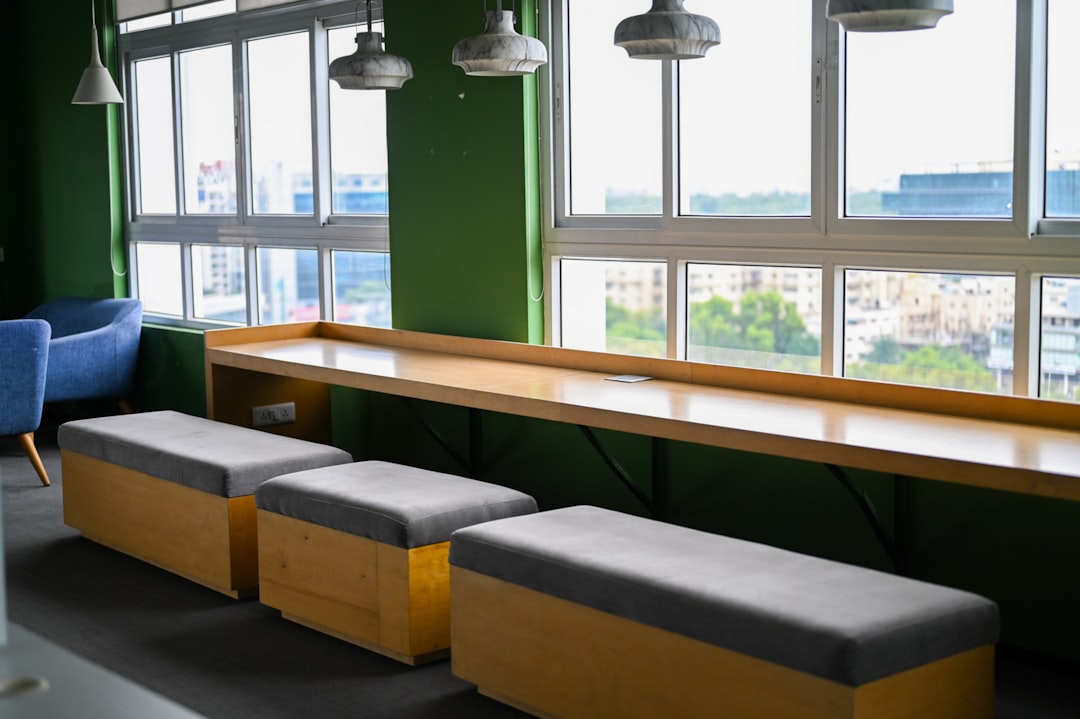
Commercial interior design is often treated as a visual exercise: choosing finishes, furniture, lighting, and signage that make a space look polished. In practice, however, a well-designed commercial environment can influence how customers move, how long they stay, how employees work, and how people feel about a brand. The physical setting does not replace good service, strong products, or effective management, but it can support all three in measurable ways.
TLDR: Yes, commercial interior design can increase both customer engagement and employee productivity when it is planned strategically. Layout, lighting, acoustics, comfort, materials, and branding all affect behavior and perception. The strongest results come when design decisions are based on business goals, user needs, and operational realities rather than aesthetics alone.
Why the Physical Environment Still Matters
Even in a digital-first economy, people continue to judge businesses by their physical spaces. A customer entering a retail store, restaurant, clinic, hotel, showroom, or office forms an impression within seconds. That impression can affect trust, comfort, curiosity, and willingness to spend time in the space.
For employees, the workplace can either help or hinder concentration, collaboration, creativity, and wellbeing. Poor lighting, uncomfortable seating, noise, confusing circulation, and a lack of privacy can drain energy and reduce output. By contrast, thoughtful commercial interior design can make daily tasks easier and improve the overall experience of work.
Commercial interior design is not simply decoration. It is the planning of space to support human behavior, operational efficiency, brand communication, safety, and long-term business performance.
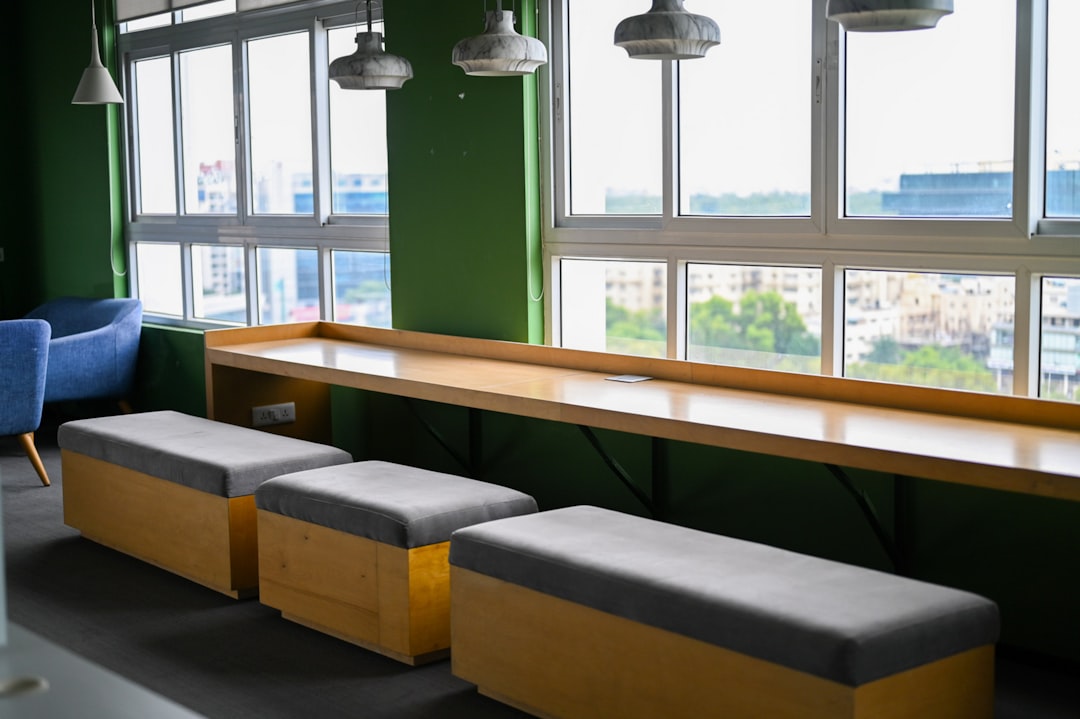
How Interior Design Influences Customer Engagement
Customer engagement refers to the level of interest, interaction, and emotional connection a customer has with a business. In a physical environment, engagement may be seen in how long customers stay, how easily they explore, whether they ask questions, whether they return, and whether they recommend the experience to others.
1. First Impressions Build Trust
A clean, coherent, and professional interior signals that a business is organized and reliable. This is especially important in industries where trust is essential, such as healthcare, finance, hospitality, beauty, legal services, and high-value retail.
Customers often make subconscious judgments based on design details, including:
- Lighting quality and how it affects mood and visibility
- Material choices, such as durable flooring, natural textures, or premium finishes
- Cleanliness and maintenance, which communicate care and professionalism
- Brand consistency across colors, signage, furniture, and layout
- Comfort, including seating, temperature, and accessibility
When the space feels intentional, customers are more likely to feel that the business itself is competent and dependable.
2. Layout Guides Customer Behavior
A strong commercial layout helps visitors understand where to go, what to look at, and how to interact with the business. In retail, this might mean guiding customers through product zones. In a restaurant, it might mean creating a smooth path from entry to host stand to seating. In a clinic, it may involve reducing anxiety by making reception, waiting, and consultation areas easy to navigate.
Confusing layouts create friction. When people feel uncertain, crowded, or lost, they may leave sooner or become less receptive. Clear circulation, visible focal points, and logical zoning can make the customer journey more intuitive and relaxed.
3. Atmosphere Encourages People to Stay Longer
Time spent in a space can be a meaningful indicator of engagement. Customers are more likely to browse, order another drink, ask for advice, or consider additional services when the environment feels comfortable and aligned with their expectations.
Atmosphere is shaped by multiple design elements working together:
- Lighting: Warm lighting can create intimacy, while bright balanced lighting may support clarity and energy.
- Acoustics: Good sound control helps people feel comfortable speaking, waiting, or working.
- Furniture: Seating that fits the purpose of the space encourages appropriate behavior, from quick turnover to extended stays.
- Color: Color can influence mood, brand recognition, and perceived energy.
- Texture and materials: These affect comfort, visual interest, and perceived quality.
Design cannot force engagement, but it can make engagement easier and more natural.
4. Brand Experience Becomes Tangible
A commercial interior gives physical form to a brand. A technology company may want a space that feels innovative and agile. A law firm may need one that communicates stability and discretion. A wellness studio may benefit from calm materials, soft lighting, and uncluttered circulation.
When customers experience a brand consistently through space, service, and communication, the business becomes more memorable. This consistency supports recognition and loyalty because people can understand what the business stands for without needing it explained to them.
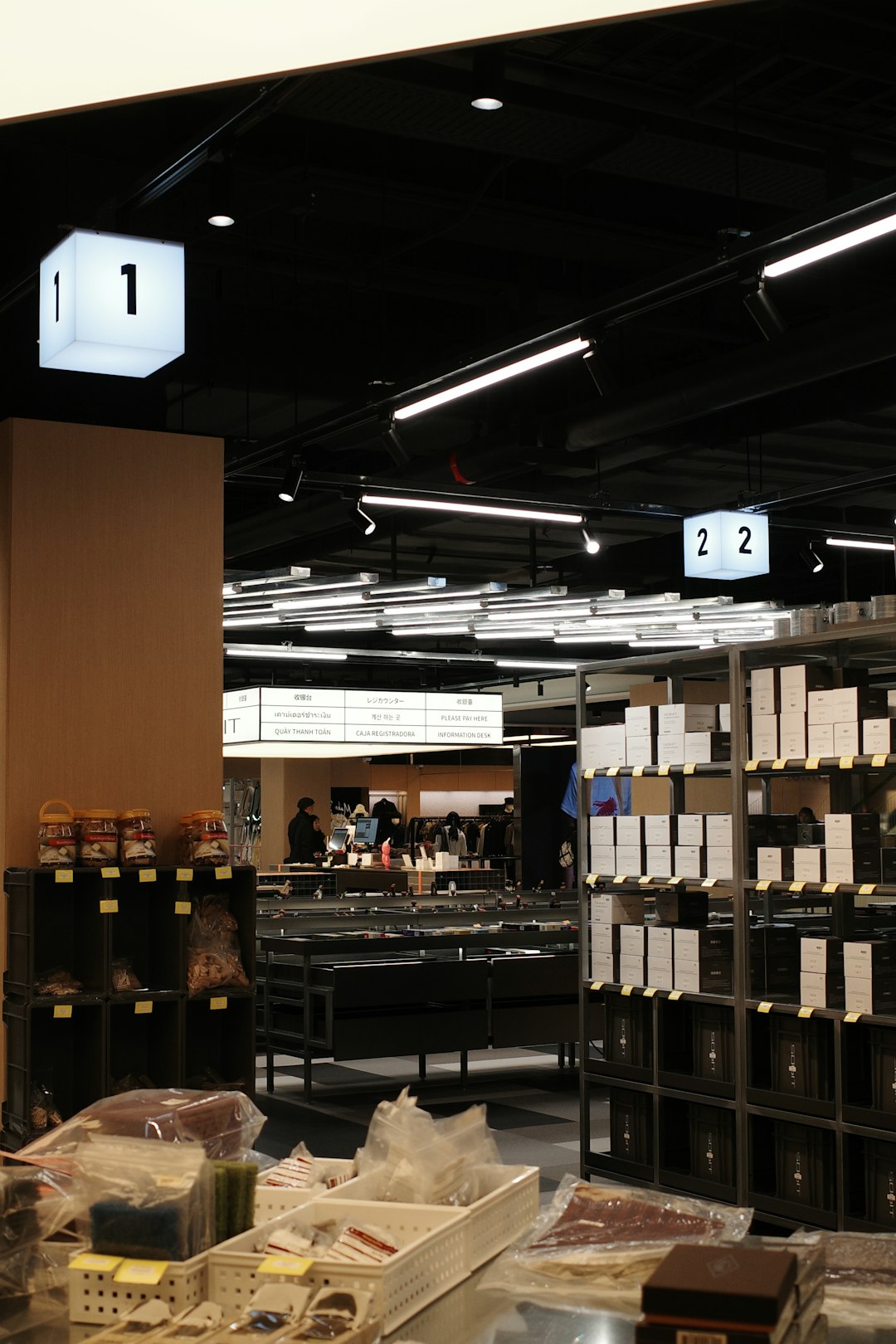
How Interior Design Affects Employee Productivity
Productivity is not only about working faster. It also includes accuracy, focus, collaboration, morale, reduced fatigue, and the ability to complete work with fewer obstacles. Commercial interiors can directly affect these factors.
1. Ergonomics Reduce Strain and Distraction
Employees who are physically uncomfortable are less likely to perform at their best. Ergonomic furniture, appropriate desk heights, supportive seating, and properly placed monitors can reduce strain and help workers maintain focus for longer periods.
In offices, hospitality environments, healthcare settings, and industrial-adjacent workplaces, ergonomics should be treated as a core design requirement rather than an optional upgrade. Reducing discomfort can also support retention and reduce absenteeism over time.
2. Lighting Supports Energy and Accuracy
Lighting has a significant influence on alertness, mood, and task performance. Poor lighting can lead to eye strain, headaches, errors, and fatigue. Good lighting design layers natural light, ambient illumination, task lighting, and accent lighting to suit the work being performed.
For example, detailed administrative work requires adequate brightness and low glare. Creative work may benefit from a more flexible lighting environment. Customer-facing areas need lighting that presents people and products clearly while maintaining the desired atmosphere.
3. Acoustics Help People Concentrate
Noise is one of the most common complaints in commercial spaces, particularly open offices, restaurants, clinics, and shared work environments. Excessive noise can reduce concentration, increase stress, and make communication more difficult.
Acoustic design may include sound-absorbing ceiling panels, upholstered furniture, carpets, curtains, acoustic wall treatments, enclosed meeting rooms, and thoughtful zoning. The goal is not always silence. Instead, the goal is to create an appropriate sound environment for the activities taking place.
4. Zoning Balances Collaboration and Focus
Many businesses need both teamwork and individual concentration. A single open area rarely serves every need well. Effective commercial design often uses zones for different types of work, such as:
- Quiet areas for focused tasks
- Meeting rooms for planned collaboration
- Informal lounges for quick conversations and breaks
- Private spaces for calls or confidential discussions
- Shared project areas for creative or team-based work
This variety allows employees to choose the right environment for the task, which can improve both efficiency and satisfaction.
The Role of Biophilic and Wellness-Focused Design
Biophilic design, which integrates natural elements into built environments, has become increasingly important in commercial interiors. This may include natural light, indoor plants, wood textures, stone, views of nature, water features, and organic forms.
These elements can make spaces feel calmer and more restorative. In workplaces, they may support wellbeing and reduce perceived stress. In customer environments, they may encourage comfort and positive emotional association. While plants alone will not transform a poorly run business, they can contribute to a more humane and appealing setting.
Image not found in postmetaDesign Must Align With Business Strategy
Commercial interior design is most effective when it begins with clear goals. A design team should understand what the business wants to improve. Is the objective to increase retail browsing time, improve staff collaboration, reduce waiting room anxiety, support premium positioning, or make operations more efficient?
Without clear objectives, design decisions can become subjective. A space may look attractive but fail to support the way the business actually functions. Serious commercial design requires research, planning, and collaboration between owners, managers, employees, designers, and sometimes customers.
Important questions include:
- Who uses the space, and what do they need to do there?
- Where do customers or staff currently experience friction?
- Which areas are underused, overcrowded, or confusing?
- What brand message should the space communicate?
- How will design choices affect maintenance, safety, and cost over time?
Measuring the Impact of Design
To determine whether interior design has improved engagement and productivity, businesses should track practical indicators before and after changes are made. Depending on the type of business, these may include:
- Customer dwell time and repeat visits
- Sales per square foot or average transaction value
- Appointment completion rates or waiting time satisfaction
- Employee output, error rates, or project completion speed
- Staff satisfaction surveys and retention rates
- Space utilization data, such as meeting room or desk usage
Measurement helps separate genuine performance improvements from personal preference. It also helps businesses make smarter future investments.
Conclusion
Commercial interior design can increase customer engagement and productivity, but only when it is treated as a strategic business tool. The most successful spaces are not merely attractive; they are functional, comfortable, brand-aligned, and designed around real human behavior.
For customers, thoughtful interiors can build trust, improve navigation, create memorable experiences, and encourage longer, more meaningful interaction. For employees, the right environment can support focus, collaboration, comfort, and overall performance. In competitive markets, these advantages matter.
A well-designed commercial space is an investment in how people feel, think, move, and work. When design decisions are purposeful and evidence-informed, the interior environment can become a quiet but powerful contributor to business success.