CAD usually means computer aided design, but the same three letters can point to medicine, finance, currency, emergency services, and trade paperwork. A clear CAD description always depends on context, because an engineer, cardiologist, banker, and dispatcher may use the term in totally different ways.
TLDR: CAD most often refers to computer aided design, the software used to create 2D drawings and 3D models for products, buildings, and machines. It can also mean coronary artery disease, Canadian dollar, current account deficit, computer aided dispatch, or cash against documents. For example, a small architecture firm using CAD software might cut drawing revision time by 30% because changes can be edited once and reused across plans. The safest way to read CAD is to check the field and the surrounding words.
1. CAD as Computer Aided Design
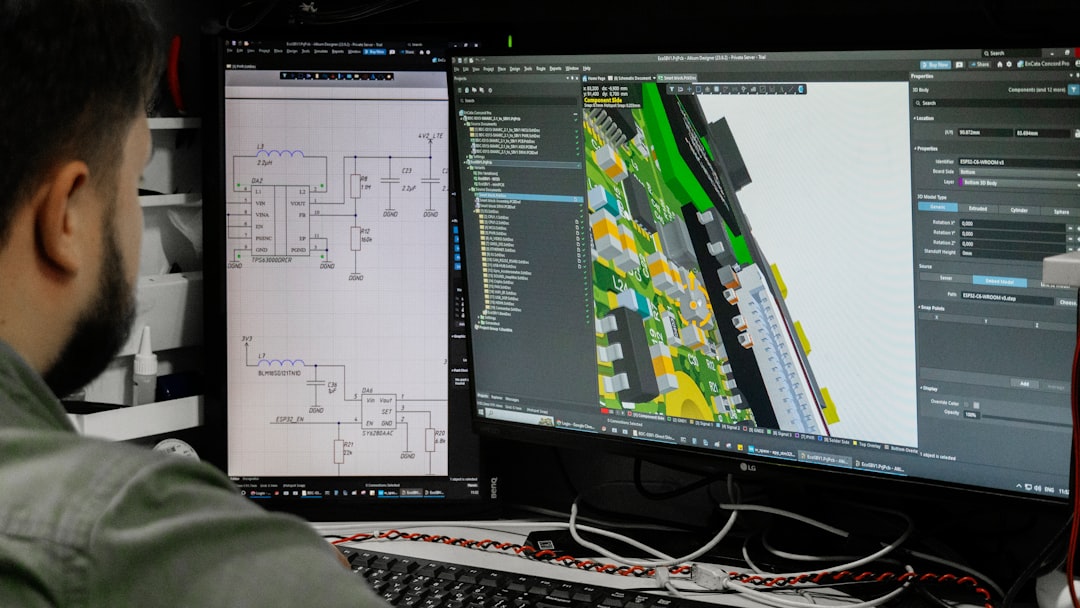
The most common meaning of CAD is computer aided design. This refers to software that helps people create precise technical drawings, 3D models, product layouts, building plans, and manufacturing files.
Engineers use CAD to design machine parts. Architects use it for floor plans and elevations. Product designers use it to test shapes before anything is built. The main benefit is accuracy. A line can be measured to a fraction of a millimeter. A model can be rotated, checked, revised, and shared.
CAD software often includes tools for:
- 2D drafting for plans, layouts, and schematics
- 3D modeling for parts, products, and structures
- Rendering to show realistic materials and lighting
- Simulation to test fit, movement, or stress
- File export for manufacturing, printing, or CNC cutting
The catch is that CAD tools can be picky. A tiny setting mismatch can make a file open at the wrong scale, which wastes ten minutes before anyone even starts real work. Still, for technical design, CAD is hard to replace.

2. CAD as Computer Aided Drafting
CAD can also mean computer aided drafting. This meaning is close to computer aided design, but it focuses more on technical drawing than creative design or 3D modeling.
Drafting is the act of making detailed documents that tell builders, machinists, electricians, or fabricators what to make. These drawings include dimensions, symbols, notes, tolerances, and material callouts.
Computer aided drafting replaced hand drawing boards in many offices. The reason is simple. Digital drawings are easier to copy, correct, store, and send. A drafter can update one detail and reuse it across several sheets. That saves hours on large construction or manufacturing projects.
This meaning appears often in job titles. A company may hire a CAD drafter, CAD technician, or CAD operator. These roles may not always create the original design. Instead, they prepare clean, accurate drawings from sketches, notes, or engineer instructions.
3. CAD as Coronary Artery Disease
In healthcare, CAD almost always means coronary artery disease. This is a condition where the arteries that supply blood to the heart become narrowed or blocked, usually due to plaque buildup.
This meaning is serious. It has nothing to do with design software. Medical records may use phrases such as “history of CAD,” “CAD risk factors,” or “CAD management.” A patient with CAD may have chest pain, shortness of breath, fatigue, or no clear symptoms at all.
Common risk factors include:
- High blood pressure
- High cholesterol
- Smoking
- Diabetes
- Family history of heart disease
- Low physical activity
Doctors may recommend lifestyle changes, medication, imaging tests, stents, or surgery, depending on severity. In this setting, a CAD description should be handled with care. Mistaking it for software would be absurd, but abbreviations cause that kind of mess more often than people admit.

4. CAD as the Canadian Dollar
In currency markets, CAD stands for the Canadian dollar. It is the official currency of Canada and is commonly written as CAD in banking, accounting, travel, and foreign exchange systems.
For example, a price listed as CAD 150 means 150 Canadian dollars. This helps separate it from USD, AUD, and other dollar-based currencies. The same symbol, $, can confuse buyers if the currency code is missing.
The Canadian dollar is used in:
- International invoices
- Travel booking systems
- Foreign exchange reports
- Online stores selling to Canada
- Bank transfers and payment records
Its value changes against other currencies. A U.S. buyer paying a Canadian supplier may see the final cost shift when the exchange rate changes. That is why finance teams often spell out CAD instead of using only the dollar sign.
5. CAD as Current Account Deficit
In economics, CAD can mean current account deficit. This happens when a country spends more on foreign goods, services, income payments, and transfers than it earns from other countries.
Put simply, more money flows out than comes in through the current account. Economists watch this number because it can show trade pressure, currency risk, or reliance on foreign capital.
A current account deficit is not always bad. A growing country may import machinery, fuel, or technology to support expansion. That can help future output. But a large and persistent deficit can worry investors, especially if exports stay weak.
Reports may say that a country’s CAD reached 3% of GDP. That means the deficit equals 3% of the total value of goods and services produced by the country. The number gives analysts a quick way to compare countries of different sizes.
6. CAD as Computer Aided Dispatch
In public safety and logistics, CAD means computer aided dispatch. These systems help dispatchers receive calls, assign units, track locations, and record incidents.
Police, fire departments, ambulance services, tow companies, and security teams may use CAD systems. When a call comes in, the dispatcher can see available units, incident history, maps, priority levels, and response times.
A computer aided dispatch system may include:
- Call intake forms
- GPS unit tracking
- Incident logs
- Status updates
- Radio integration
- Reporting tools
Honestly, it feels like dispatch software should always be instant, yet some older systems lag just enough to annoy everyone. Even a five-second delay can feel painful when an ambulance crew is waiting for a location. Good CAD systems reduce that friction and help teams respond faster.

A Less Common Meaning: Cash Against Documents
Some trade and shipping documents use CAD to mean cash against documents. Under this payment method, a buyer pays before receiving shipping documents that allow them to claim goods.
This is common in international trade. The seller ships goods, then sends documents through a bank. The buyer pays, and only then receives the documents. It gives the seller more protection than open credit, but it still requires trust that the goods match the order.
How to Understand the Right CAD Description
The best way to decode CAD is to look at the surrounding subject. If the text mentions drawings, models, architects, or engineers, CAD likely means computer aided design or drafting. If it mentions arteries, symptoms, or cardiology, it means coronary artery disease.
If it appears beside prices, invoices, or exchange rates, CAD means Canadian dollar. If it appears in economic reports, it may mean current account deficit. If it appears in emergency services, it likely means computer aided dispatch.
Context does most of the work. The abbreviation is short, but its meanings are not interchangeable. A good CAD description should name the field, define the term, and give a practical example.
FAQ
What is the most common meaning of CAD?
The most common meaning is computer aided design. It refers to software used to create technical drawings, 3D models, building plans, and product designs.
Is CAD the same as drafting?
Not exactly. Computer aided drafting focuses on technical drawings and documentation. Computer aided design can include drafting, modeling, testing, and visualization.
What does CAD mean in medical terms?
In medicine, CAD means coronary artery disease. It is a heart condition caused by narrowed or blocked coronary arteries.
What does CAD mean in money?
In finance and pricing, CAD means the Canadian dollar. For example, CAD 80 means 80 Canadian dollars.
What does CAD mean in economics?
In economics, CAD can mean current account deficit. It shows that a country sends more money abroad through trade and payments than it receives.
What does CAD mean for emergency services?
For emergency teams, CAD means computer aided dispatch. It helps dispatchers manage calls, send units, track locations, and record incidents.