
Separate branded and non-branded search before you judge SEO growth, or your charts will lie to your face. Branded traffic shows how many people already know you. Non-branded traffic shows how well you win new attention. Mix them together, and suddenly every campaign looks like a genius move. Spoiler: it may not be.
TLDR: Branded search demand comes from people searching your company, product, founders, or trademarked terms. Non-branded organic growth comes from people searching needs, problems, and topics without naming you. Example: if organic clicks rose from 20,000 to 28,000, but branded clicks rose by 7,000, only 1,000 clicks came from true non-branded growth. That is still good, but it tells a very different story.
Why branded traffic can mess with your SEO report
Branded traffic is not bad. It is great. It means people remember you. They heard a podcast ad. They saw your TikTok. Their friend yelled your name across a coffee shop. Lovely stuff.
But branded traffic is not the same as ranking for hard topics. It is demand capture. Someone already wants you. Google is just the final doorbell.
Non-branded traffic is different. It comes from searches like:
- best running shoes for flat feet
- how to fix a leaky tap
- crm software for small teams
- email subject line examples
Those people may not know you yet. Winning those clicks is real organic growth. It means your pages are pulling strangers into your world. That is the fun part. Also the hard part.
Image not found in postmetaWhat counts as branded traffic?
Branded traffic includes any query that contains your brand name or close variants. Do not be lazy here. People misspell everything. Honestly, it feels like users type with oven mitts on.
Create a brand keyword list. Include:
- Your company name
- Common misspellings
- Old brand names
- Product names
- Founder names, if people search them
- Taglines or campaign names
- Support terms, like brand login or brand pricing
- Domain searches, like brand.com
Be strict, but fair. If someone searches Acme project management tool, that is branded. If someone searches project management tool, that is non-branded. If someone searches Acme alternatives, that is still branded. They know you. They may be annoyed, but they know you.
The simple measurement setup
Your best starting point is Google Search Console. It shows query-level data, which is what you need. GA4 is useful too, but it hides many organic keywords. Yes, the old not provided problem still haunts the room like a dusty office printer.
Use this basic setup:
- Open Google Search Console.
- Go to Performance.
- Set your date range.
- Export query data.
- Tag each query as branded or non-branded.
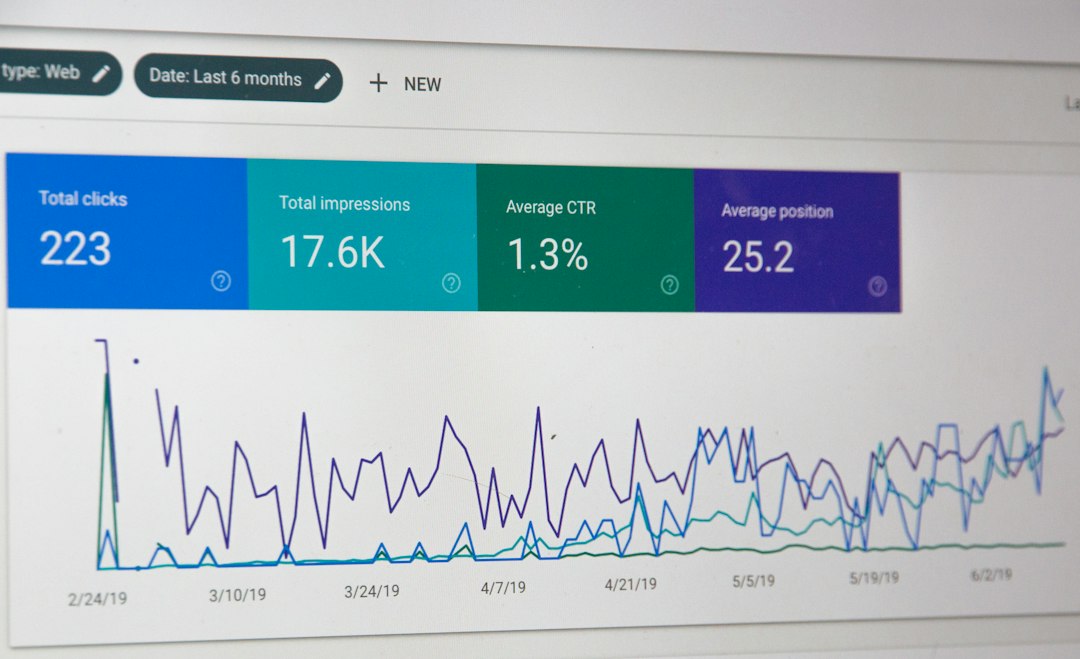
- Compare clicks, impressions, CTR, and average position.
If your brand has many name variants, use a regular expression filter. For example:
(acme|akme|acmeapp|acme software|jane smith)
This catches the obvious terms. Then check by hand. Annoying? Yes. Worth it? Also yes. Expect to waste time on weird queries like acme but cheaper and is acme down again. They still tell a story.
The key metrics to track
Do not track only clicks. Clicks are nice. They are also noisy. Track four core metrics.
- Branded impressions: How often people search for you.
- Branded clicks: How often you get that demand.
- Non-branded impressions: How much topic reach you have.
- Non-branded clicks: How much new search traffic you earn.
Then add two simple ratios.
- Brand share of organic clicks: branded clicks ÷ total organic clicks.
- Non-brand growth rate: current non-branded clicks ÷ past non-branded clicks minus 1.
Here is a quick example:
- Total organic clicks last month: 50,000
- Branded clicks: 30,000
- Non-branded clicks: 20,000
- Brand share: 60%
If total organic grows to 65,000 next month, do not cheer yet. Split it first. If branded clicks rose to 43,000 and non-branded clicks rose to 22,000, most growth came from brand demand. Your SEO content added only 2,000 clicks. Still useful. Just not the whole parade.
How to separate brand demand from SEO growth
Use a simple monthly table. No fancy magic needed.
| Month | Branded clicks | Non-branded clicks | Total organic clicks |
|---|---|---|---|
| January | 12,000 | 18,000 | 30,000 |
| February | 18,000 | 19,500 | 37,500 |
| March | 17,000 | 24,000 | 41,000 |
In February, total organic jumped. Nice. But branded clicks did most of the work. Maybe a campaign, PR push, or influencer mention caused it.
In March, branded clicks dipped, but non-branded clicks rose hard. That points to SEO progress. Better rankings. Better snippets. Stronger pages. That is the kind of growth you can repeat.
Use landing pages as a second check
Queries are best. Landing pages are your backup. Brand traffic often lands on:
- Homepage
- Login page
- Pricing page
- Contact page
- Product pages with brand-heavy names
Non-branded traffic often lands on:
- Blog posts
- Guides
- Comparison pages
- Glossaries
- Category pages
This is not perfect. A blog post can rank for your brand. A homepage can rank for a broad term. Still, page type helps when query data is thin.
Watch for campaign spikes
Brand search often jumps after other channels do their thing. Paid social can raise branded search. TV can do it. Email can do it. A spicy Reddit thread can do it too.
Mark these events in your report:
- Product launches
- Big ad campaigns
- PR mentions
- Podcast sponsorships
- Sales or discounts
- Viral posts
If branded impressions rise 45% the same week your founder appears on a popular podcast, do not give that win to SEO alone. Search captured the demand. The podcast likely created it.
Build a clean dashboard
Your dashboard should not be a circus. Keep it boring. Boring dashboards get used.
Add these blocks:
- Total organic traffic
- Branded organic traffic
- Non-branded organic traffic
- Brand share percentage
- Top 20 branded queries
- Top 20 non-branded queries
- Month-over-month change
- Year-over-year change
Color code brand and non-brand. Make brand blue. Make non-brand green. Or make them whatever colors your team will not fight about for 17 minutes.
Common mistakes that ruin the split
A few mistakes show up again and again.
- Ignoring misspellings. Your brand is not as easy to type as you think.
- Counting product names as non-brand. If the product is owned by you, count it as branded.
- Using sessions only. Sessions hide the actual search wording.
- Forgetting seasonality. Compare year over year when possible.
- Mixing countries. Brand demand can vary by market.
- Celebrating total organic growth too early. Split first. Brag later.
What good looks like
A healthy search program usually grows both pools. Branded demand rises because the company is getting known. Non-branded traffic rises because content, technical SEO, and authority are improving.
The best sign is this: non-branded clicks grow while branded share stays stable or falls slightly. That means you are gaining new searchers, not just harvesting people who already looked for you.
So keep the split clean. Treat branded traffic as brand demand. Treat non-branded traffic as SEO reach. When both rise, smile. When only branded rises, thank marketing. When only non-branded rises, thank your SEO crew. Maybe buy them tacos.