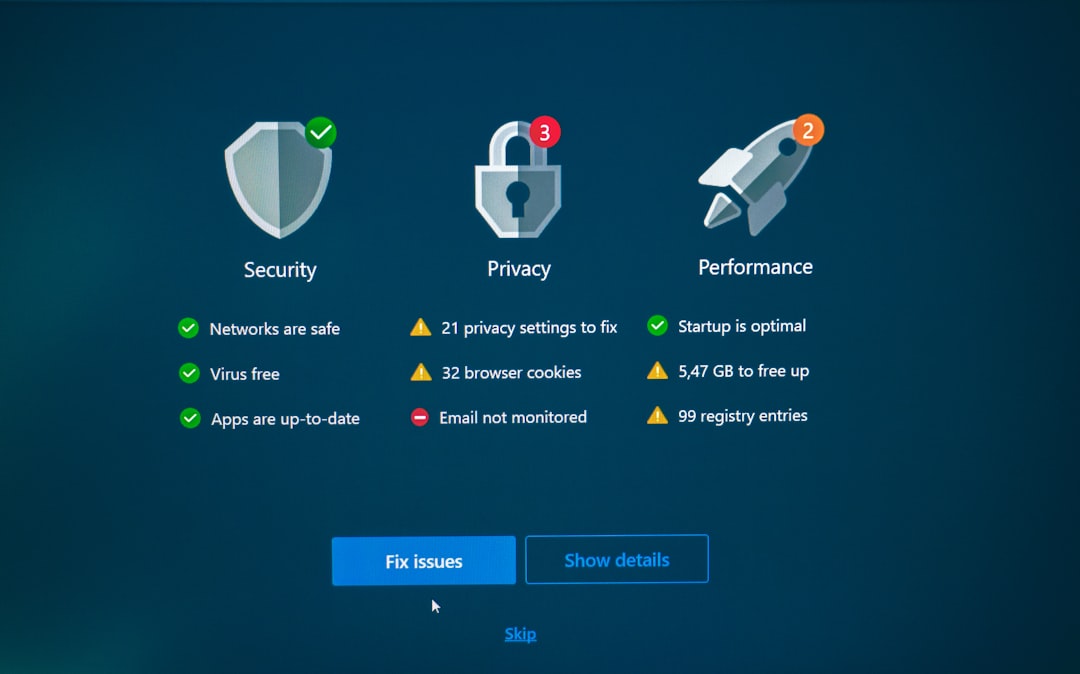
Experian is the better choice for serious dark web monitoring if you want identity protection, credit monitoring, and recovery support in one place. Google One, or more accurately Google’s dark web report for Google accounts, is useful for basic breach awareness, especially if your main concern is email exposure. But it is not a full identity theft protection service. If your Social Security number, bank details, or credit file are at risk, Experian gives you a stronger safety net.
TL;DR: Choose Experian if you want broader monitoring, credit alerts, insurance options, and help after identity theft. Choose Google’s dark web report if you want a simple way to check whether your email, phone number, or other basic details appeared in known breaches. For example, if one email address appears in 12 breach records but your credit file is clean, Google may be enough; if your SSN appears even once, Experian is the safer pick. In a practical setup, many users can use Google for free alerts and add Experian when financial identity risk becomes real.
Quick Verdict: Google One vs Experian
The most honest comparison is simple. Google is good at telling you when exposed data is connected to your Google account. Experian is better at connecting dark web exposure to financial risk.
That difference matters. A leaked email address is annoying. A leaked SSN can lead to credit fraud, tax fraud, fake loans, and account takeover attempts. The tools are aimed at different levels of risk.
- Best for basic breach checks: Google dark web report
- Best for identity theft protection: Experian
- Best for credit monitoring: Experian
- Best low cost option: Google, especially where it is included with a Google account
- Best for families: Experian family plans, if available in your region
What Google Does Well
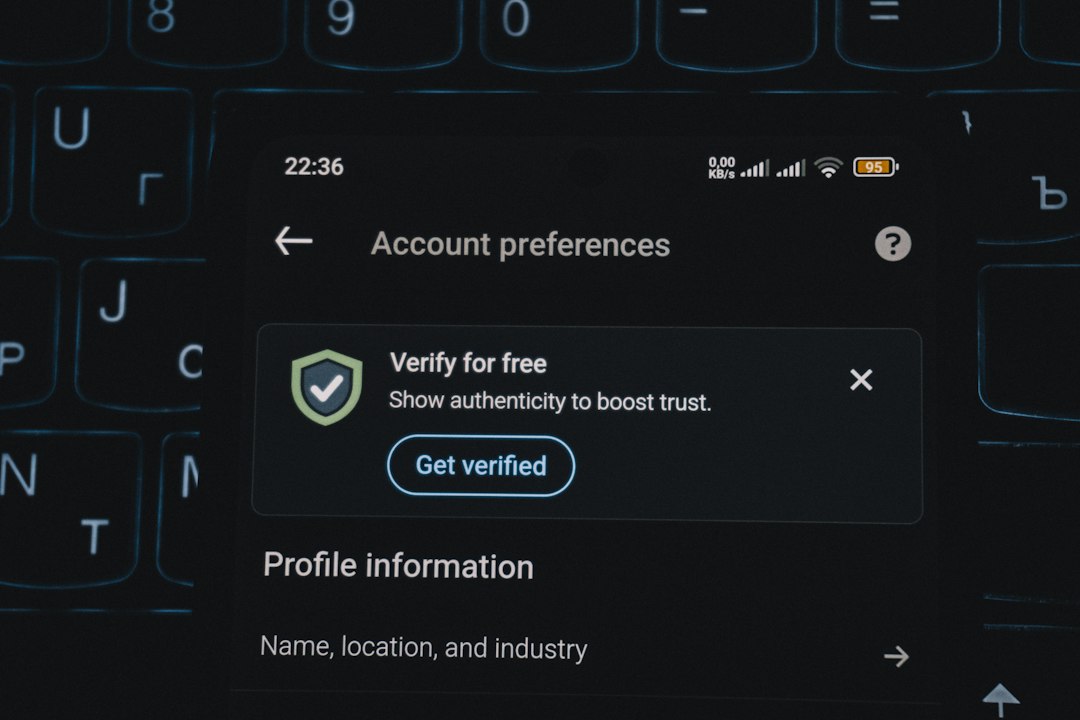
Google’s dark web report checks whether selected personal details appear in breach data. Depending on your country and account settings, this may include your name, email address, phone number, address, username, password, and in some regions, Social Security number.
The biggest strength is ease. Most people already have a Google account. Setup is quick. Alerts are easy to understand. The interface does not feel like a fraud department manual, which is a relief.
Google is especially useful for email hygiene. If your Gmail address appears in a data breach, Google can warn you and suggest steps such as changing passwords or turning on two factor authentication. That is not glamorous, but it stops a lot of common account takeover attempts.
The catch is that Google’s tool feels limited once money is involved. It can tell you that data was exposed. It does not replace credit bureau monitoring. It does not give the same depth of fraud resolution help. If someone opens a credit card in your name, Google is not the service you want to depend on.
What Experian Does Well
Experian has a stronger identity protection package because it is tied to credit data. That is the main reason it wins this comparison. Dark web exposure matters most when it can become financial fraud, and Experian is built around that risk.
Depending on the plan, Experian may monitor your credit report, Social Security number, bank accounts, credit cards, payday loan activity, court records, and address changes. It may also include alerts for new credit inquiries and account openings. Paid plans may add identity theft insurance and recovery support.
This is where Experian pulls ahead. If your personal information appears online and someone tries to use it, you want fast credit alerts. You also want clear next steps. Experian is closer to that full process.
Honestly, it feels like Google tells you, “Your data may be out there.” Experian is more likely to tell you, “Someone may be trying to use it.” That second alert is often the one that saves you money.
Monitoring Coverage: Who Watches More?
Google focuses on personal data found in breach sources. It is best for spotting leaked credentials and contact details. For many users, that is enough to trigger password changes and better account security.
Experian watches a wider set of identity and credit signals. Its dark web monitoring is only one part of the service. Credit monitoring is the real value. If a criminal tries to open a loan, credit card, or financing account, Experian is in a better position to spot it.
| Feature | Experian | |
|---|---|---|
| Email breach alerts | Strong | Strong |
| SSN monitoring | Limited by region | Stronger |
| Credit report alerts | No | Yes |
| Identity theft recovery | Limited | Often included in paid plans |
| Best use case | Basic exposure checks | Financial identity protection |

Ease of Use and Setup
Google is easier to start. You sign in, review your profile, and run a report. The results are plain and readable. For a casual user, that matters.
Experian takes more setup because it handles more sensitive data. You may need to verify your identity and connect more information. That is expected, but it can feel slow. Expect to waste time on identity checks if your records do not match perfectly, especially after a recent move or name change.
Still, the extra setup has a purpose. If a service is going to monitor your credit and identity, it needs to know who you are with a higher level of confidence.
Alert Quality
A good alert must answer three questions. What was found? Why does it matter? What should I do now?
Google handles the first and third questions well for basic web security. If a password is exposed, change it. If a phone number appears in breach data, watch for phishing texts. The advice is sensible.
Experian gives more helpful alerts when the issue touches credit or identity misuse. A new credit inquiry is clearer than a vague breach match. It gives you a specific event to review. If you did not apply for credit, you can act fast.
Privacy and Trust
Both companies handle large amounts of personal data, so trust is not a small issue. Google already knows a lot about your online life. Experian already holds credit data on millions of consumers. Neither option is perfect for privacy purists.
The serious question is risk tradeoff. With Google, you may be adding a few personal identifiers to a company that already manages your account security. With Experian, you are working with a credit bureau that already stores financial identity data. For credit protection, that makes sense. For simple breach checks, Google may feel less intrusive.
Cost and Value
Google’s biggest advantage is price. In many cases, dark web reporting is available through a Google account without needing a paid Google One plan. That makes it hard to beat for basic monitoring.
Experian usually offers free and paid options, but the stronger identity protection features tend to sit behind paid plans. Pricing can change, so check current terms before signing up. The value depends on your risk level.
- Low risk: Use Google and strong passwords.
- Medium risk: Add free credit monitoring or alerts.
- High risk: Use Experian or a similar paid identity protection service.

Who Should Choose Google?
Choose Google if you want a quick, simple view of exposed personal data. It is a good fit if your main concern is account security, phishing, and reused passwords.
It also works well for people who will not pay for identity protection. A free alert is better than no alert. Pair it with a password manager and two factor authentication, and you have a solid basic defense.
Who Should Choose Experian?
Choose Experian if you are worried about financial fraud. It is the smarter option after a wallet theft, data breach notice, suspicious credit inquiry, or leaked SSN.
It is also better for users who want one place to watch credit activity and identity risk. If you have children, elderly parents, or shared family finances, a broader plan may be worth the cost.
Final Recommendation
For most people, the best setup is Google plus strong account security. Use it to catch exposed emails and passwords. Then fix weak passwords fast.
For serious dark web monitoring, Experian is better. It connects exposure to credit risk, which is where real damage often starts. If your SSN, bank details, or credit profile may be involved, do not rely on Google alone.
The clean answer is this: Google is a good warning light. Experian is a fuller protection system. If you only need breach awareness, Google is enough. If you need identity theft protection with credit intelligence, Experian is the stronger choice.