
DigitalOcean has earned a strong reputation among developers, startups, and small businesses for its clean interface, predictable pricing, and simple virtual machines known as Droplets. However, it is not the perfect fit for every workload. Some teams need broader global coverage, stronger enterprise features, cheaper compute, managed Kubernetes at scale, advanced compliance, or more generous support options. The good news is that the cloud hosting market is full of capable alternatives, ranging from hyperscale giants to lean developer-focused platforms.
TLDR: The best DigitalOcean alternative depends on what you value most: AWS, Google Cloud, and Microsoft Azure are ideal for enterprise-grade infrastructure, while Linode, Vultr, and Hetzner offer excellent value for developers and small teams. Cloudways is a strong choice if you want managed hosting without handling server administration. For most users leaving DigitalOcean, the smartest move is to compare pricing, data center locations, support quality, and how much operational complexity you are willing to manage.
Why Look Beyond DigitalOcean?
DigitalOcean is popular because it keeps cloud hosting approachable. You can launch a server in minutes, attach storage, configure networking, and deploy apps without navigating a maze of enterprise menus. But as projects grow, requirements change. A simple virtual private server may no longer be enough when you need multi-region failover, advanced identity management, high-performance databases, or compliance-ready architecture.
Some users also seek alternatives because of pricing differences. While DigitalOcean is transparent, competitors may offer cheaper high-CPU servers, better bandwidth allocations, or lower storage costs. Others want more managed services, better Windows support, integrated AI tools, or support contracts suitable for mission-critical applications.
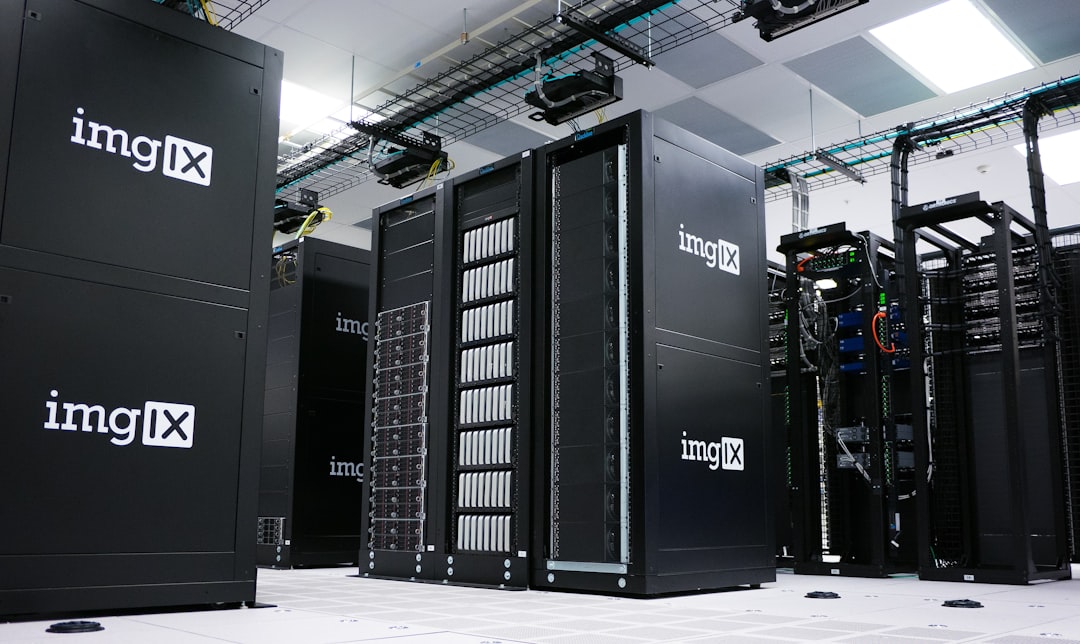
1. Amazon Web Services: Best for Maximum Flexibility
Amazon Web Services, better known as AWS, is the largest cloud platform in the world. If DigitalOcean feels like a streamlined apartment, AWS feels like an entire city. It offers compute, storage, databases, analytics, machine learning, networking, security, serverless computing, and hundreds of specialized services.
AWS is a strong alternative for businesses that expect to scale significantly or need infrastructure that can handle complex workloads. Its EC2 service is the closest comparison to DigitalOcean Droplets, but AWS also offers managed databases through RDS, object storage through S3, serverless functions through Lambda, and container orchestration through EKS.
- Best for: Enterprises, SaaS platforms, high-scale applications, complex architectures.
- Strengths: Huge service catalog, global infrastructure, advanced security, strong compliance coverage.
- Watch out for: Pricing can be complicated, and the platform has a steeper learning curve.
If you need fine-grained control and powerful managed services, AWS is hard to beat. However, smaller teams should be prepared to invest time in cost monitoring and architectural planning.
2. Google Cloud Platform: Best for Data, AI, and Kubernetes
Google Cloud Platform, or GCP, is another excellent DigitalOcean alternative, especially for teams working with containers, data analytics, and machine learning. Google originally developed Kubernetes, and its managed Kubernetes service, Google Kubernetes Engine, is widely considered one of the best in the industry.
GCP also shines in data services. Tools such as BigQuery, Cloud Run, and Vertex AI make it attractive for companies that want to build modern, data-driven applications. Compared with AWS, many users find Google Cloud’s interface cleaner, though its pricing and service structure still require careful review.
- Best for: Kubernetes users, analytics-heavy applications, AI projects, modern web apps.
- Strengths: Excellent container tools, powerful data products, strong global network.
- Watch out for: Smaller marketplace and ecosystem than AWS in some categories.
For developers who like DigitalOcean’s simplicity but need more advanced cloud-native tools, Google Cloud offers a compelling step up.
3. Microsoft Azure: Best for Microsoft-Centric Businesses
Microsoft Azure is a natural choice for organizations already using Microsoft technologies such as Windows Server, SQL Server, Active Directory, Microsoft 365, or .NET. Azure integrates deeply with the Microsoft ecosystem, making it especially appealing to enterprise IT teams.
Azure provides virtual machines, managed databases, Kubernetes, serverless functions, CDN services, and extensive security tools. Its hybrid cloud capabilities are particularly strong, allowing companies to connect on-premises infrastructure with cloud resources through services like Azure Arc and Azure Stack.
- Best for: Enterprises, Windows workloads, hybrid cloud, corporate IT environments.
- Strengths: Excellent Microsoft integration, broad compliance, strong identity tools.
- Watch out for: Portal complexity and pricing can be challenging for beginners.
If your applications rely heavily on Microsoft tools, Azure may be a better long-term fit than DigitalOcean.
4. Akamai Cloud Computing: Best Developer-Focused VPS Alternative
Akamai Cloud Computing, formerly known as Linode, is one of the closest alternatives to DigitalOcean. It offers simple virtual private servers, predictable pricing, object storage, managed databases, Kubernetes, and developer-friendly documentation. Many developers compare Linode directly with DigitalOcean because both platforms serve similar audiences.
Linode’s pricing is competitive, and its servers are known for solid performance. Since becoming part of Akamai, the platform has also gained access to a massive global edge and content delivery network, which may benefit businesses focused on speed and geographic reach.
- Best for: Developers, agencies, small businesses, Linux hosting, straightforward VPS deployments.
- Strengths: Simple pricing, strong performance, useful documentation, developer-friendly tools.
- Watch out for: Fewer managed services than AWS, Azure, or Google Cloud.
For many users who like DigitalOcean but want to compare similar providers, Linode should be near the top of the list.

5. Vultr: Best for Global VPS Coverage and Bare Metal Options
Vultr is another popular DigitalOcean competitor known for fast deployment, a clean control panel, and a broad selection of server locations. It offers cloud compute instances, high-frequency compute, bare metal servers, block storage, object storage, managed databases, and Kubernetes.
One of Vultr’s major advantages is its worldwide data center footprint. If you need to deploy applications closer to users in specific regions, Vultr may provide locations that are not available through DigitalOcean. Its high-frequency plans are also attractive for workloads that depend on strong single-thread CPU performance.
- Best for: Global app deployment, gaming servers, agencies, developers who want fast VPS setup.
- Strengths: Many locations, simple interface, bare metal options, competitive pricing.
- Watch out for: Support experience can vary depending on plan and issue complexity.
Vultr is a particularly strong option if you want DigitalOcean-like simplicity with more geographic flexibility.
6. Hetzner: Best for Low-Cost High-Performance Hosting
Hetzner is a favorite among cost-conscious developers and technical teams, especially in Europe. It is known for offering impressive hardware at very competitive prices. Hetzner provides cloud servers, dedicated servers, storage boxes, load balancers, private networking, and managed services.
Compared with DigitalOcean, Hetzner can be significantly cheaper for certain workloads, particularly if you need dedicated resources or large amounts of storage. Its cloud interface is straightforward, though the overall experience feels more infrastructure-focused than beginner-friendly.
- Best for: Budget-conscious developers, European hosting, dedicated servers, storage-heavy workloads.
- Strengths: Excellent price-to-performance ratio, strong dedicated server offerings, reliable infrastructure.
- Watch out for: Fewer global regions, and account verification may be stricter than some competitors.
If your team is comfortable managing Linux servers and wants to reduce monthly cloud costs, Hetzner is one of the most attractive alternatives available.
7. Cloudways: Best for Managed Cloud Hosting
Cloudways is different from most providers on this list because it is not a traditional infrastructure provider. Instead, it offers a managed hosting layer on top of major cloud platforms. This means you can use servers from providers such as DigitalOcean, AWS, Google Cloud, and others while Cloudways handles much of the server management.
This is ideal for users who want cloud performance without dealing with command-line administration, security patches, caching layers, backups, and server optimization. Cloudways is especially popular for WordPress, WooCommerce, PHP applications, agencies, and small businesses that want convenience.
- Best for: WordPress sites, agencies, ecommerce stores, non-technical business owners.
- Strengths: Managed environment, simple dashboard, backups, caching, staging, security features.
- Watch out for: More expensive than managing raw cloud servers yourself.
If you are leaving DigitalOcean because server management feels like too much work, Cloudways may be the most practical alternative.
8. Oracle Cloud Infrastructure: Best for Generous Free Tier and Enterprise Workloads
Oracle Cloud Infrastructure, often called OCI, has become a more serious cloud hosting option in recent years. It is especially notable for its generous free tier, which includes compute resources that can be useful for testing, small applications, and learning cloud infrastructure.
OCI is not just for experiments, though. It offers enterprise-grade compute, networking, databases, Kubernetes, analytics, and security tools. It is particularly strong for companies already using Oracle Database or enterprise Oracle software.
- Best for: Oracle workloads, enterprises, developers seeking a strong free tier.
- Strengths: Generous free resources, strong database offerings, competitive performance.
- Watch out for: Interface and ecosystem may feel less familiar than AWS or Google Cloud.
For technical users willing to explore beyond the most common names, OCI can provide excellent value.

9. OVHcloud: Best for European Infrastructure and Dedicated Servers
OVHcloud is a major European cloud and hosting provider with a broad range of services, including VPS hosting, public cloud, private cloud, bare metal servers, hosted databases, and storage. It is a strong option for businesses that care about European data residency or want a provider with extensive dedicated server options.
OVHcloud is often selected for infrastructure-heavy use cases, private networking, and hosting at scale. It may not feel as polished as DigitalOcean for beginners, but it offers depth and flexibility for teams with technical expertise.
- Best for: European businesses, dedicated servers, private cloud, data residency requirements.
- Strengths: Large infrastructure portfolio, strong bare metal options, European presence.
- Watch out for: User experience and support reputation can be mixed depending on region and service.
How to Choose the Right DigitalOcean Alternative
Before switching providers, it helps to define what problem you are actually trying to solve. If you simply want lower costs, a provider like Hetzner or Vultr may be enough. If you need enterprise-grade managed services, AWS, Azure, or Google Cloud will likely be more appropriate. If you want less system administration, Cloudways can simplify the experience.
Consider the following factors before migrating:
- Pricing structure: Look beyond the monthly server price. Include bandwidth, storage, backups, snapshots, load balancers, database hosting, and support.
- Data center locations: Choose a provider with regions close to your users to reduce latency.
- Managed services: Decide whether you need managed databases, Kubernetes, caching, monitoring, or serverless tools.
- Support quality: Low-cost hosting can be excellent, but mission-critical apps may require faster support response times.
- Scalability: Make sure the provider can grow with your traffic, team, and technical requirements.
- Ease of migration: Check whether the provider offers documentation, migration tools, images, APIs, or marketplace apps.
Final Thoughts
The best alternative to DigitalOcean is not necessarily the biggest or cheapest provider. It is the one that matches your technical skills, growth plans, budget, and tolerance for complexity. Linode and Vultr are excellent if you want a similar developer-friendly VPS experience. Hetzner is difficult to beat on price-to-performance. AWS, Google Cloud, and Azure are better suited for advanced cloud architectures and enterprise needs. Cloudways is a smart choice when you want cloud hosting without managing every detail yourself.
DigitalOcean remains a strong platform, but the cloud hosting landscape is too diverse to ignore. By comparing providers carefully and matching their strengths to your project’s needs, you can find a hosting environment that is faster, cheaper, easier to manage, or more scalable than your current setup.