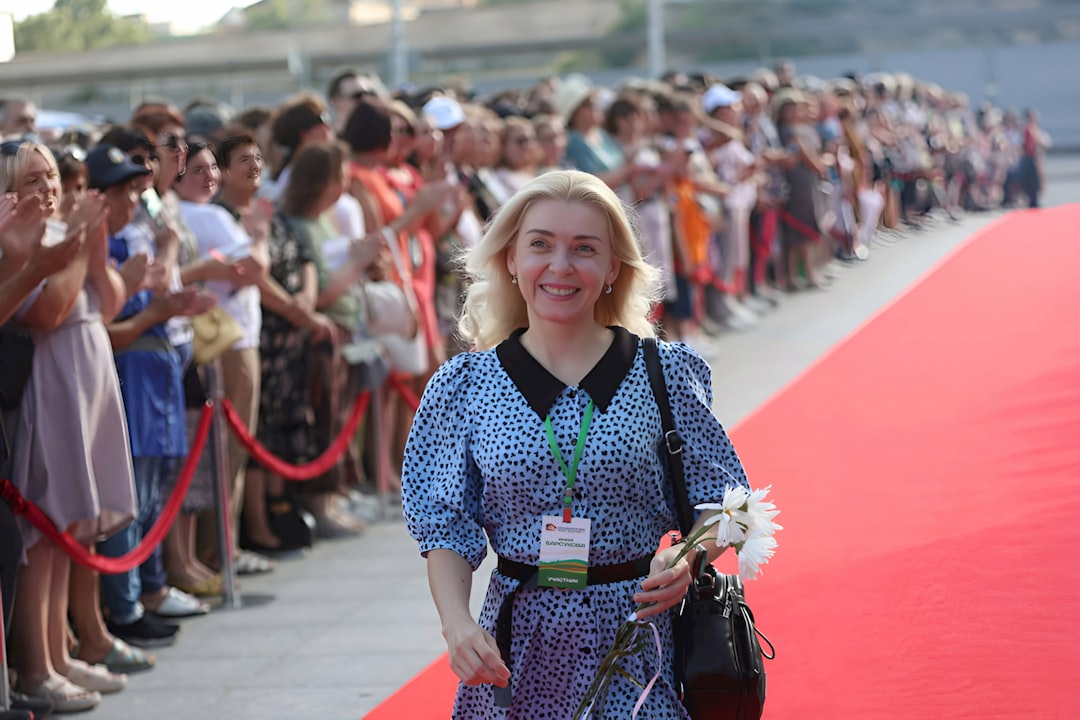
March 2026 felt like one of those months when pop culture did not move in a straight line; it scattered across red carpets, streaming platforms, fan forums, music teasers, gaming showcases, and social media micro-trends all at once. Instead of one dominant story swallowing the conversation, the month was defined by a lively mix of awards-season glamour, franchise anticipation, nostalgia-driven entertainment, and increasingly powerful online fandoms.
TLDR: March 2026 pop culture was shaped by awards buzz, spring movie marketing, streaming competition, music fandom activity, and viral social media moments. The month showed how entertainment news now spreads through a blend of traditional events and fan-led online conversation. From red carpet analysis to trailer reactions and celebrity fashion, March proved that pop culture is less about one headline and more about a constant, overlapping stream of attention.
Awards Season Kept the Spotlight Bright
The biggest traditional pop culture anchor of March was awards-season energy, especially the film industry’s final stretch of celebration and debate. The Oscars remained a major cultural event, not only because of the winners and speeches, but because the ceremony has become a full-screen spectacle: fashion analysis, backstage clips, audience reactions, musical performances, and meme-ready moments all travel faster than the official broadcast itself.
What made the month especially interesting was the way the public discussed awards shows. Viewers were not only asking who won, but also whether the winners reflected changing tastes in film. There was strong attention on international cinema, genre storytelling, and performances that had built momentum through months of online discussion. The red carpet, meanwhile, continued to function as its own entertainment product, with stylists, luxury houses, and celebrity teams turning arrival photos into carefully managed cultural moments.
Movie Buzz Shifted Toward Spring and Summer
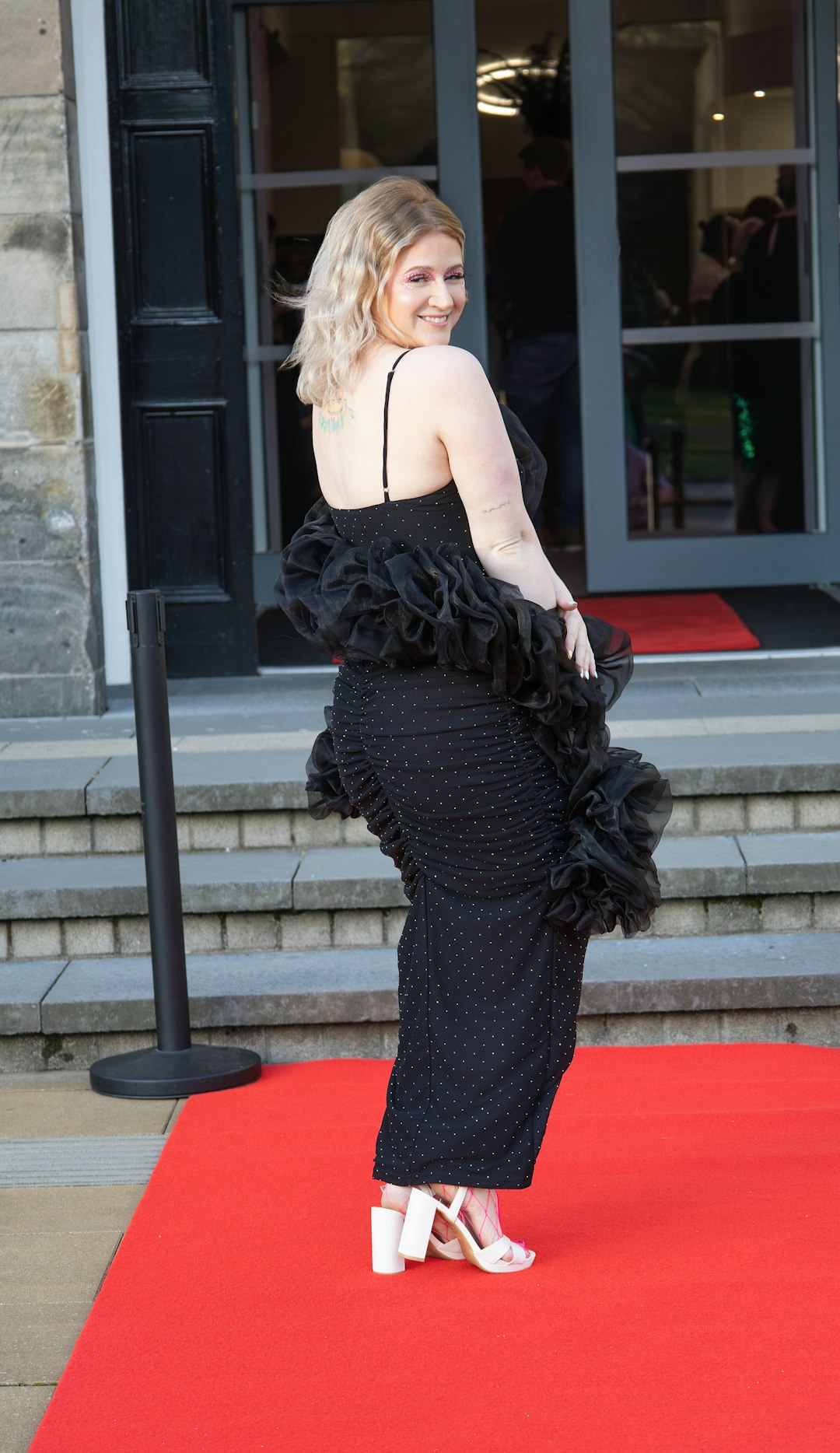
March is traditionally a bridge month for movies: awards season fades, but blockbuster season begins to warm up. In 2026, that transition was especially visible in the way studios used trailers, first-look images, and casting updates to pull fans into future releases. Science fiction, horror, superhero storytelling, and animated family films all competed for early attention, often months before their release dates.
One clear trend was the dominance of the “reaction economy.” A trailer was no longer just a trailer; it became a multi-day event. Fans paused frames, compared costumes, debated casting choices, and turned seconds of footage into theories. Entertainment outlets followed those conversations closely, because online fan interpretation now helps shape the news cycle as much as studio announcements do.
The other notable development was Hollywood’s continued reliance on recognizable titles. Sequels, reboots, adaptations, and legacy characters remained central to the conversation. Yet audiences were also showing signs of fatigue with nostalgia used lazily. The projects that generated the most enthusiasm were the ones that seemed to offer a fresh angle rather than simply recycling old hits.
Streaming Platforms Fought for Weekly Attention
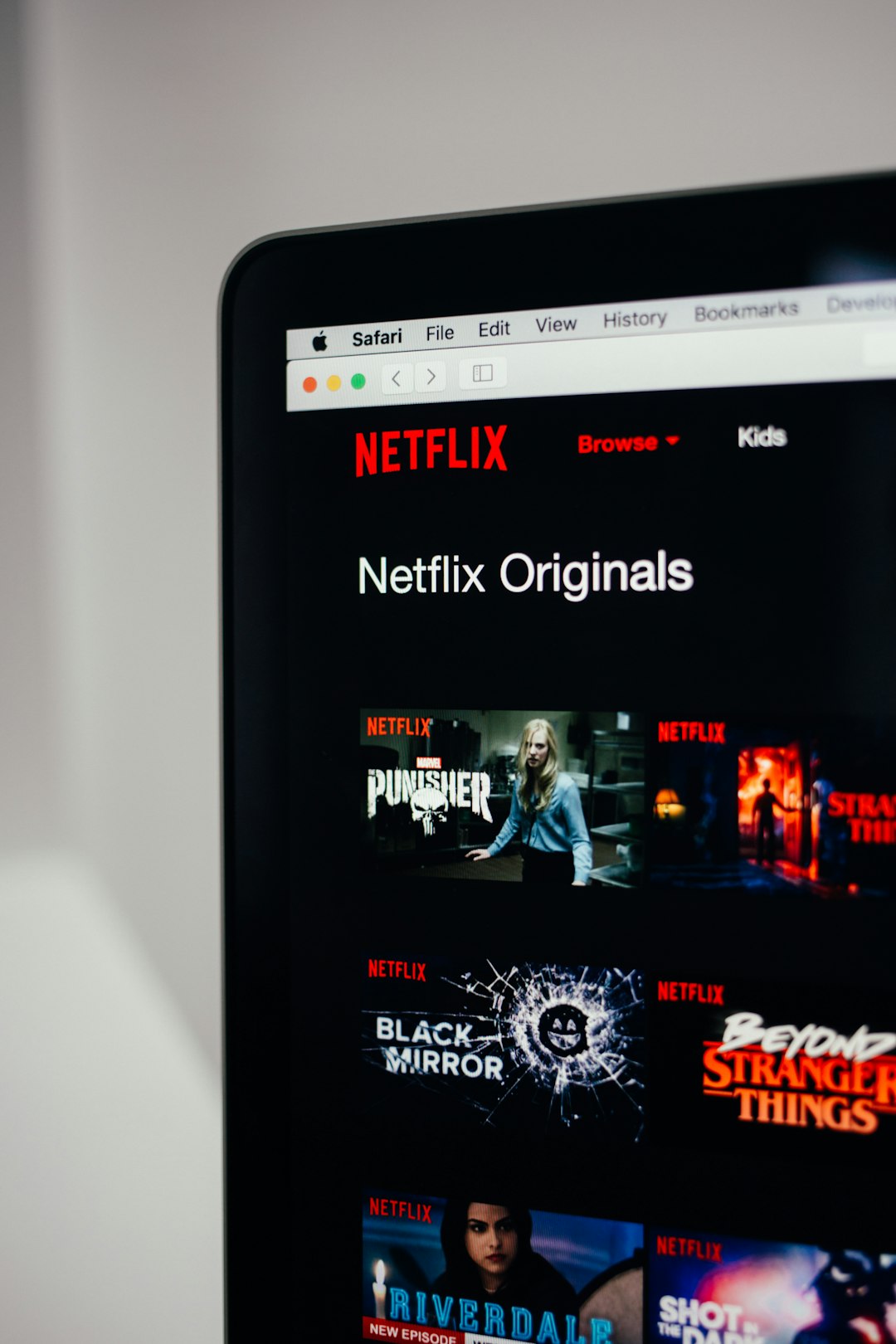
Streaming news in March 2026 reflected a mature but crowded entertainment landscape. The novelty of having “everything available” has faded; viewers now face a different problem: too many apps, too many subscription decisions, and too many shows competing for weekend attention. As a result, platforms increasingly marketed new releases as events rather than ordinary premieres.
Limited series, prestige dramas, documentaries, comedy specials, and reality competitions all fought for space in the same conversation. The most successful streaming titles were the ones that offered easy entry points for discussion: a shocking finale, a breakout performance, a true-crime twist, a nostalgic cast reunion, or a fashion aesthetic that could travel on TikTok and Instagram.
March also highlighted three streaming patterns:
- Shorter seasons: Many big shows continued to rely on compact episode counts, making them easier to binge and discuss quickly.
- Global hits: Non-English-language series remained an important part of mainstream viewing habits, not a niche category.
- Fan communities: Online discussion often determined whether a show felt culturally “big,” even before formal viewership numbers appeared.

Music News Was Driven by Fandom Power
In music, March 2026 was less about one universal anthem and more about highly organized fan ecosystems. Pop, hip-hop, Latin music, Afrobeats, country, and K-pop all had active online communities pushing songs, videos, chart goals, tour announcements, and visual aesthetics into the public conversation. The result was a music news cycle that felt intensely participatory.
Artists increasingly teased projects in fragments: a mysterious studio photo, a short sound clip, a visual symbol, a changed profile picture, or a surprise livestream. These small signals could produce huge waves of speculation. Fans filled in the gaps, building theories around release dates, collaborations, and album concepts long before official confirmation arrived.
Concert culture also remained a major story. Tours were not only live music events; they were fashion shows, social gatherings, travel plans, and content factories. A single concert could produce thousands of viral clips, from audience singalongs to celebrity attendees. The live music economy continued to show how much fans value shared experiences, even in an era dominated by digital access.
Celebrity Fashion Became Instant Commentary
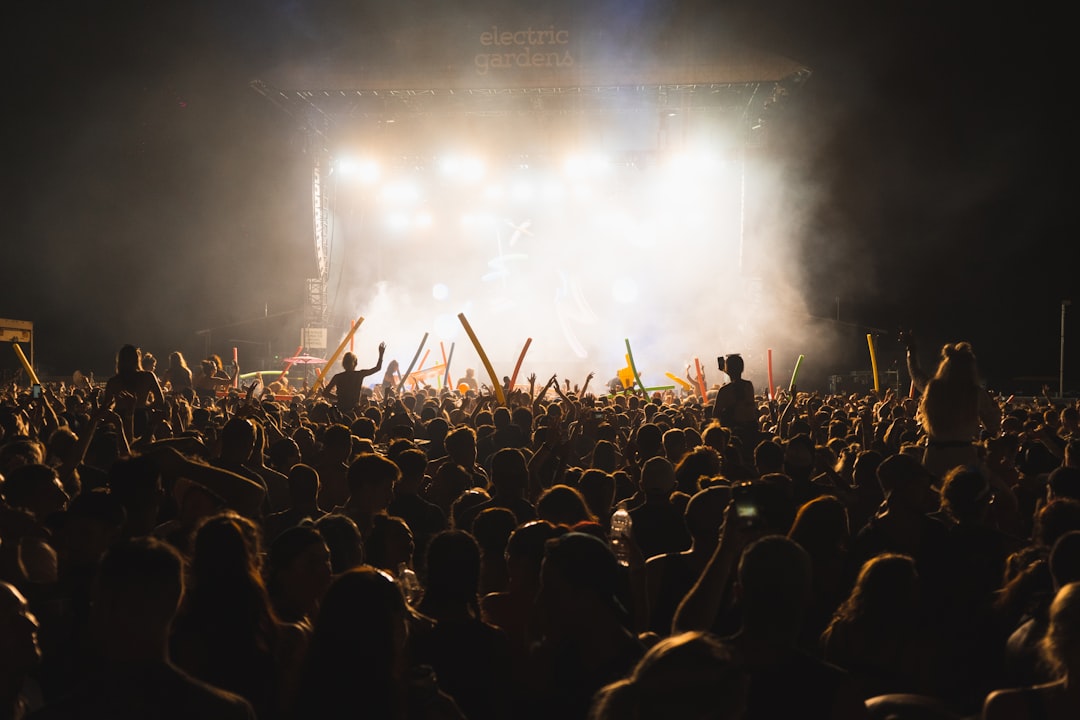
Fashion news in March 2026 moved at internet speed. Awards events, premieres, front-row appearances, and street-style photos were instantly ranked, praised, criticized, and reinterpreted online. The most successful celebrity looks were not always the most expensive or elaborate; they were the ones with a clear story.
Vintage references, archival gowns, gender-fluid tailoring, dramatic outerwear, and sculptural accessories all drew attention. Fans increasingly wanted to know the creative process behind a look: the designer, the inspiration, the styling choices, and whether the outfit connected to a film role, album era, or personal rebrand. In that sense, fashion functioned as celebrity storytelling.
Gaming and Internet Culture Took Up More Space
Gaming continued to occupy a larger share of mainstream pop culture in March. Major updates, esports chatter, adaptation news, creator controversies, and fan mods all circulated alongside film and music headlines. The boundary between “gaming news” and “entertainment news” has become increasingly thin, especially as actors, musicians, and streamers share audiences.
Meanwhile, internet culture produced its usual mix of rapid trends: short-lived memes, viral dances, audio clips, aesthetic labels, and creator-led debates. Some disappeared within days, while others became marketing tools almost immediately. Brands and studios tried to participate, but audiences remained quick to reject anything that felt forced.
Why March 2026 Mattered
The real lesson from March 2026 was that pop culture now works like a constantly refreshing feed. A red carpet look can compete with a movie trailer, a streaming finale, a celebrity livestream, a concert clip, and a gaming announcement all in the same hour. The winners of the month were not just the biggest names, but the stories that gave people something to discuss, remix, argue about, and share.
In short, March 2026 showed a culture built on interaction. Audiences did not simply consume entertainment; they annotated it, ranked it, memed it, defended it, and sometimes transformed it. That made the month feel busy, unpredictable, and unmistakably modern.