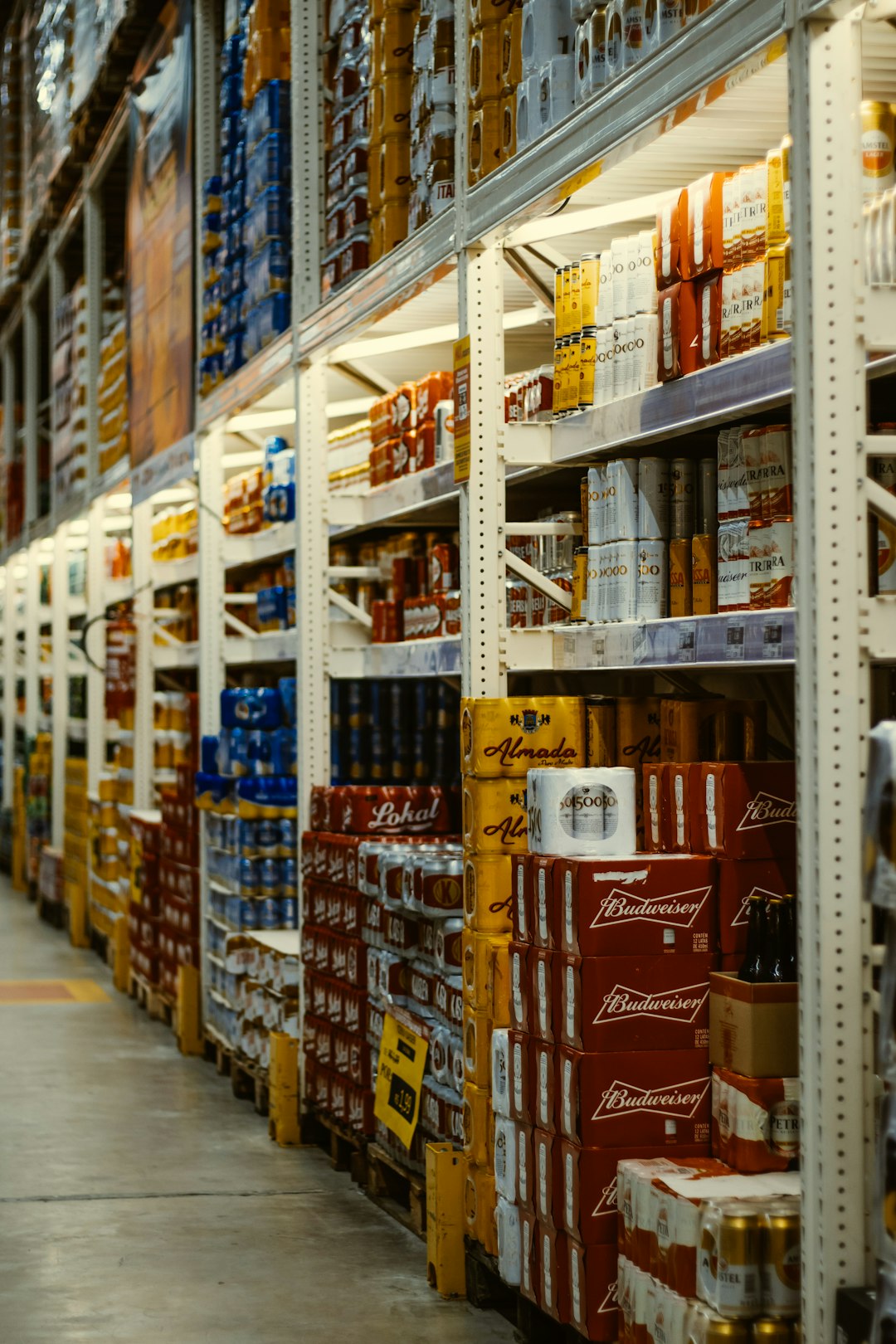
When you look at a company’s balance sheet, inventory often appears as a familiar but surprisingly important line item. It may look simple at first glance: goods waiting to be sold. But inventory can reveal a lot about how a business operates, how quickly it turns products into cash, and how well management understands demand. So, is inventory a current asset on the balance sheet? In most cases, yes—and understanding why can help you read financial statements with much greater confidence.
TLDR: Inventory is generally classified as a current asset on the balance sheet because businesses expect to sell it, use it, or convert it into cash within one year or one operating cycle. It includes items such as finished goods, raw materials, and work in progress. However, inventory is less liquid than cash or accounts receivable, and too much inventory can create financial risk. Investors, lenders, and managers pay close attention to inventory because it affects profitability, cash flow, and business efficiency.
Why Inventory Is Usually a Current Asset
A current asset is an asset that a business expects to convert into cash, sell, or use up within a relatively short period—typically within 12 months or within the company’s normal operating cycle, whichever is longer. Inventory fits this definition because it represents products or materials that are expected to become sales revenue.
For example, a clothing retailer buys shirts, jackets, and shoes to sell to customers. Those goods sit on shelves or in warehouses until they are sold. Since the retailer expects to sell them during the normal course of business, the inventory is listed as a current asset.
The same idea applies to manufacturers, wholesalers, restaurants, and many other businesses. A furniture maker may hold lumber, fabric, and unfinished chairs. A grocery store may carry fresh produce and packaged goods. A technology company may stock components used to build devices. In each case, inventory supports sales and is expected to move through the business cycle quickly enough to qualify as current.
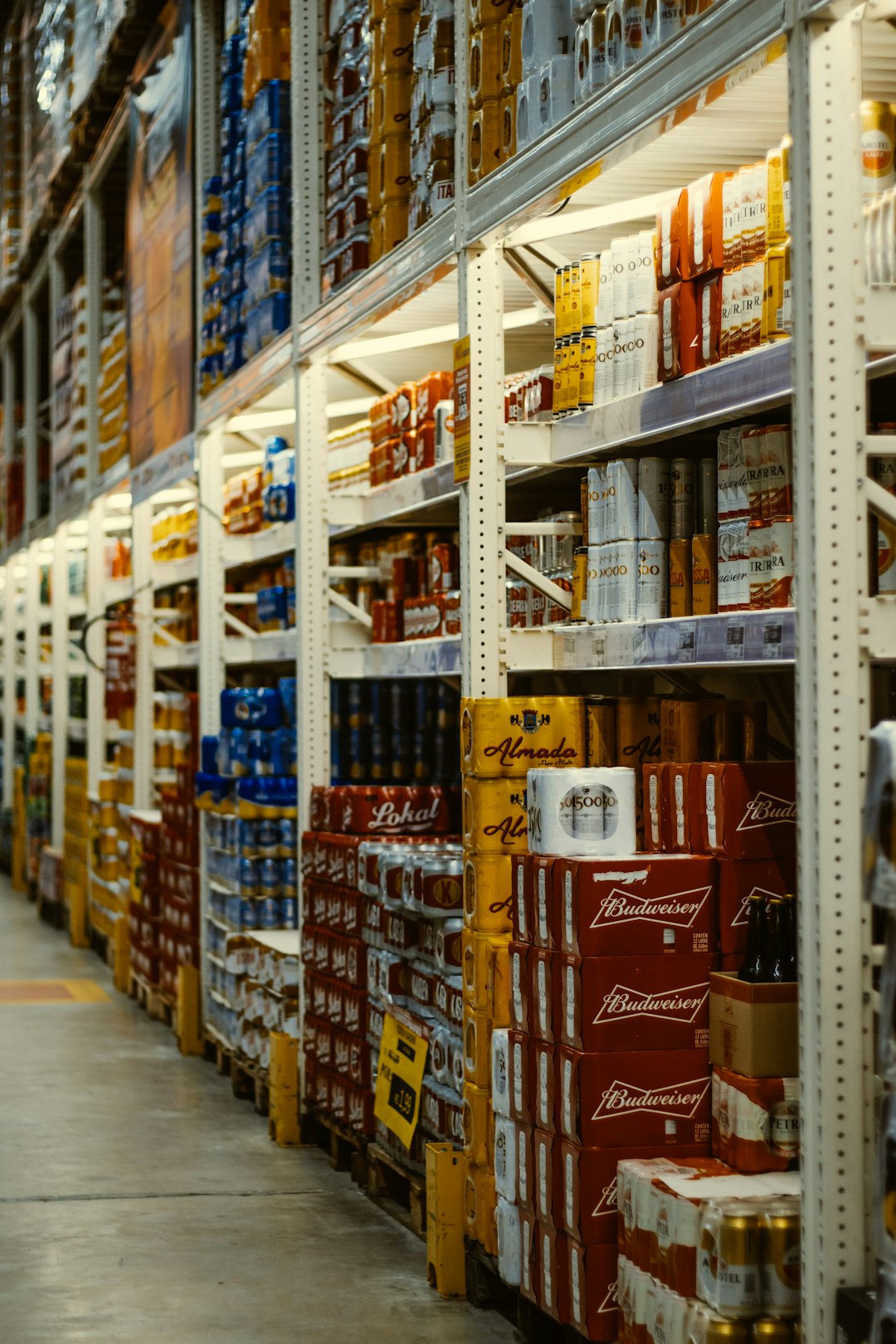
Where Inventory Appears on the Balance Sheet
On a balance sheet, assets are commonly divided into two major categories: current assets and noncurrent assets. Current assets are listed first because they are more liquid, meaning they can be converted into cash more quickly.
Inventory usually appears after cash, cash equivalents, short-term investments, and accounts receivable. A simplified current asset section might look like this:
- Cash and cash equivalents
- Accounts receivable
- Inventory
- Prepaid expenses
- Other current assets
This placement matters. Inventory is considered current, but it is not as liquid as cash. A dollar in cash is already available. A dollar in accounts receivable is expected from customers. A dollar in inventory still has to be sold, delivered, and collected before it becomes cash. That extra step makes inventory valuable but sometimes uncertain.
What Counts as Inventory?
Inventory is not just finished products sitting on store shelves. Depending on the type of business, it can include several categories. The three most common are raw materials, work in progress, and finished goods.
- Raw materials: These are basic inputs used to create products. Examples include wood for furniture, flour for bread, cotton for clothing, or metal for machinery.
- Work in progress: These are goods that are still being produced. A partially assembled car or an unfinished table would fall into this category.
- Finished goods: These are completed products ready for sale, such as packaged electronics, assembled bicycles, or bottled beverages.
Some businesses also include merchandise inventory, which refers to goods purchased for resale. A bookstore, for instance, buys books from publishers and sells them to customers without significantly altering them. Those books are inventory.
Inventory and the Operating Cycle
To understand why inventory is a current asset, it helps to understand the operating cycle. This is the process by which a business buys or produces inventory, sells it, collects payment, and repeats the cycle.
For a retail business, the operating cycle may be short. It buys products from suppliers, sells them within weeks or months, and collects cash immediately or soon after. For a manufacturer, the cycle may be longer because production takes time. The company must purchase materials, manufacture goods, store products, sell them, and collect from customers.
Even if the operating cycle is longer than one year, inventory can still be classified as current if it is expected to be used or sold during that normal cycle. This is especially relevant in industries such as shipbuilding, construction equipment, or wine production, where goods may take a long time to complete or mature.
Why Inventory Is Important to Financial Analysis
Inventory is more than a number on a balance sheet. It can tell a story about customer demand, operational discipline, pricing power, and risk. When inventory is managed well, it helps a company generate sales efficiently. When it is managed poorly, it can tie up cash, increase storage costs, and lead to losses.
Analysts often compare inventory levels with sales trends. If sales are growing and inventory is growing at a similar pace, that may be normal. But if inventory rises sharply while sales stagnate, it may signal a problem. The company could be overstocked, demand may be weakening, or products may be becoming obsolete.
This is especially important in industries with fast-changing products. Fashion retailers, electronics companies, and seasonal businesses must be careful. A warehouse full of last season’s clothing or outdated gadgets may not be worth as much as the balance sheet suggests.
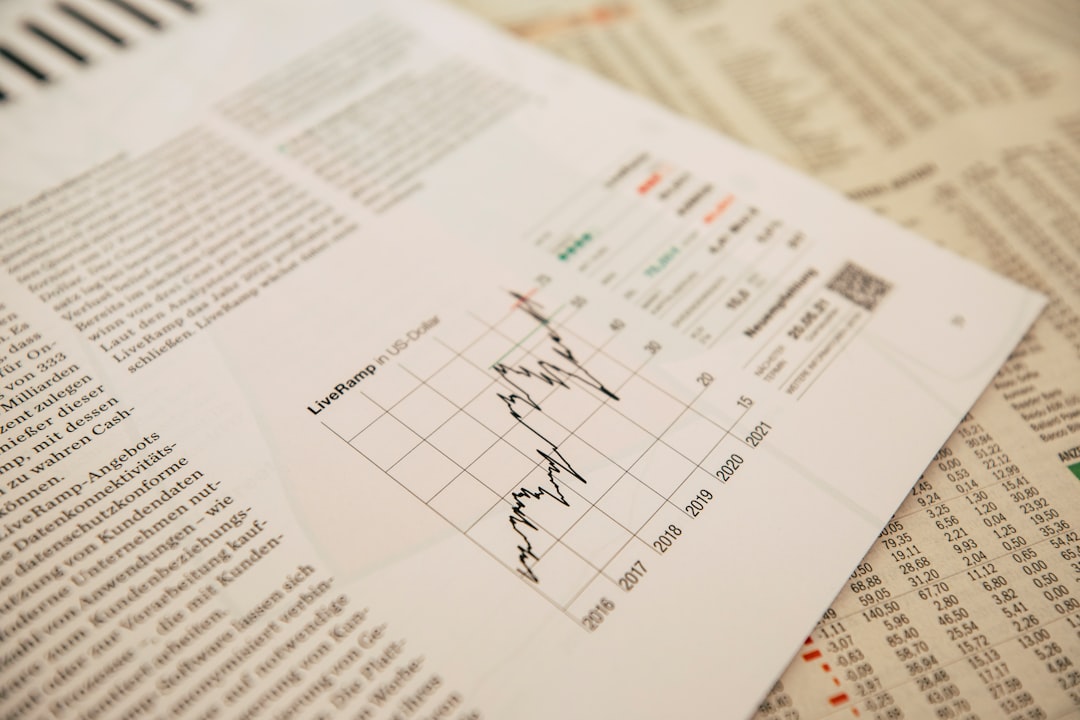
Inventory Is Current, But Not Always Easily Converted to Cash
Although inventory is a current asset, it is not the most liquid current asset. Liquidity refers to how quickly and easily an asset can be converted into cash without losing value. Cash is perfectly liquid. Accounts receivable is usually fairly liquid, assuming customers pay on time. Inventory is less liquid because the business must find buyers and complete sales.
There is also the possibility that inventory may need to be discounted. A retailer may have to mark down slow-moving products. A food distributor may lose goods to spoilage. A manufacturer may discover that certain parts are no longer needed because designs have changed. In these cases, inventory may not convert into the amount of cash originally expected.
That is why accountants pay attention to the valuation of inventory. Under common accounting rules, inventory is generally reported at the lower of cost or net realizable value. In simpler terms, if inventory loses value, the company may need to write it down.
How Inventory Is Valued
Inventory valuation affects both the balance sheet and the income statement. The value assigned to inventory determines how much remains as an asset and how much is recognized as cost of goods sold when items are sold.
Businesses commonly use one of several inventory costing methods:
- FIFO, or first in, first out: The oldest inventory costs are assigned to goods sold first. This often results in lower cost of goods sold during periods of rising prices.
- LIFO, or last in, first out: The newest inventory costs are assigned to goods sold first. This method is allowed under U.S. GAAP but not under IFRS.
- Weighted average cost: The company calculates an average cost for similar inventory items and applies that average when goods are sold.
- Specific identification: The actual cost of each specific item is tracked. This is common for high-value goods such as cars, jewelry, or custom equipment.
Because these methods can produce different results, inventory valuation can influence reported profit, taxes, and asset totals. That is one reason investors often read the notes to the financial statements, where companies explain their accounting policies.
Inventory Compared With Other Current Assets
Inventory belongs in the current asset category, but it behaves differently from other current assets. Comparing it with cash, receivables, and prepaid expenses can make the distinction clearer.
- Cash: Immediately available for use. It does not need to be sold or collected.
- Accounts receivable: Amounts owed by customers. These are expected to become cash when customers pay.
- Inventory: Goods or materials that must be sold or used in production before generating cash.
- Prepaid expenses: Payments already made for future benefits, such as insurance or rent.
This comparison shows why inventory is current but somewhat riskier than cash and receivables. It represents potential revenue, not guaranteed cash.
Can Inventory Ever Be a Noncurrent Asset?
Most inventory is current, but unusual situations can arise. If a company holds goods that are not expected to be sold, consumed, or converted into cash within the normal operating cycle, classification may require closer judgment. However, in standard business accounting, inventory intended for sale in the ordinary course of business is generally current.
It is also important not to confuse inventory with long-term assets used to produce inventory. For example, a bakery’s flour is inventory, but its ovens are not. The ovens are property, plant, and equipment, which are noncurrent assets because they will be used over several years rather than sold as part of normal operations.
How Inventory Affects Key Financial Ratios
Inventory plays a major role in financial ratios used to evaluate liquidity and efficiency. Two of the most useful are the current ratio and the inventory turnover ratio.
The current ratio compares current assets with current liabilities. Since inventory is included in current assets, higher inventory can improve this ratio on paper. However, if inventory is hard to sell, the ratio may make the company appear more liquid than it truly is.
The inventory turnover ratio measures how many times a company sells and replaces its inventory during a period. A higher turnover ratio often indicates strong sales or efficient inventory management. A very low turnover ratio may suggest slow-moving goods, excessive purchasing, or declining demand.
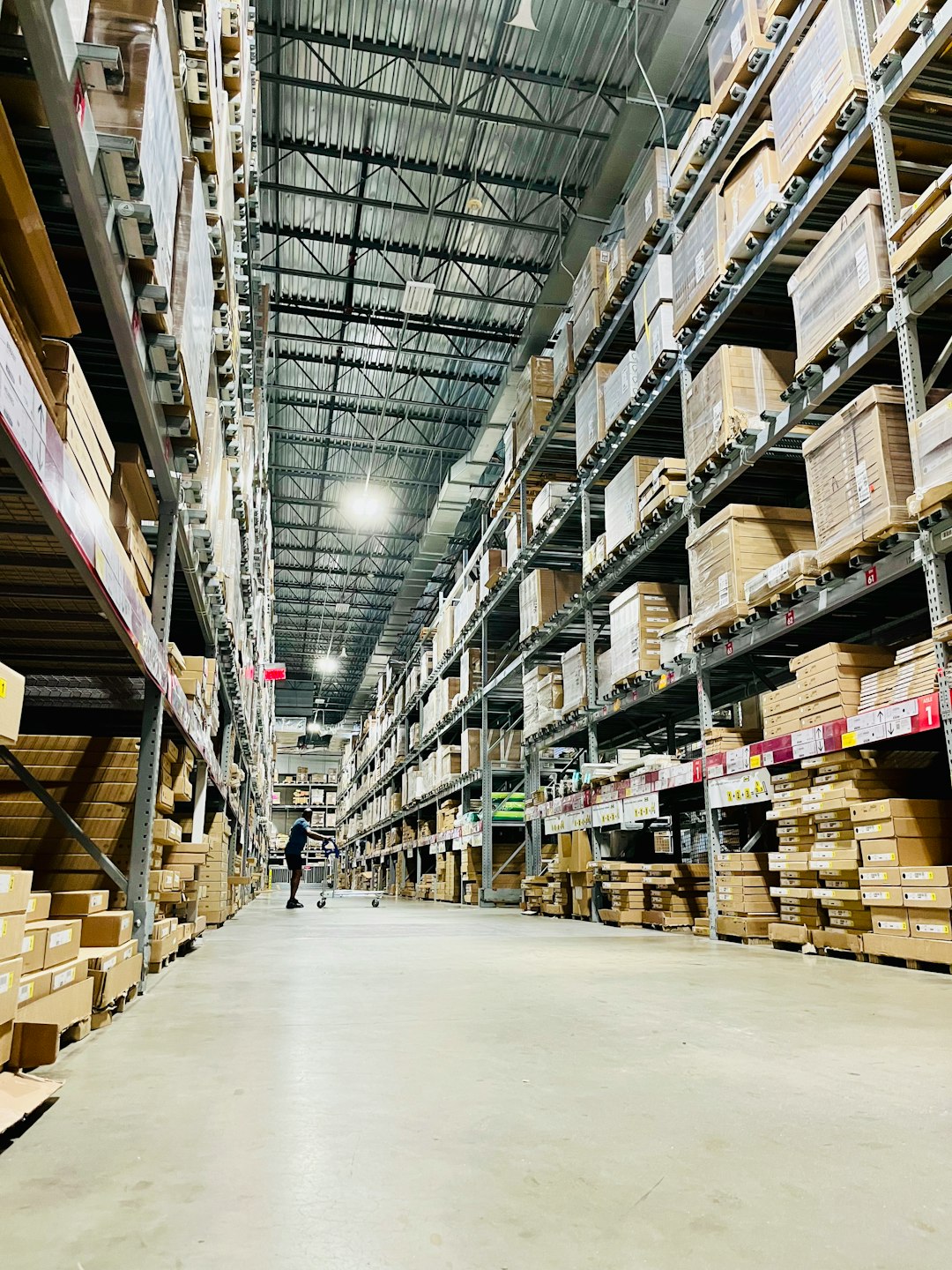
Why Businesses Must Manage Inventory Carefully
Good inventory management is a balancing act. Too little inventory can lead to stockouts, missed sales, disappointed customers, and production delays. Too much inventory can consume cash, require storage space, increase insurance costs, and raise the risk of spoilage or obsolescence.
Companies use many tools and strategies to manage inventory, including demand forecasting, just-in-time purchasing, safety stock levels, barcode tracking, and inventory management software. The goal is not simply to reduce inventory but to hold the right amount of inventory at the right time.
Seasonality also matters. A toy retailer may increase inventory before the holiday season. A landscaping supplier may stock up before spring. A swimwear brand may build inventory before summer. Temporary increases in inventory are not necessarily bad if they align with expected demand.
What Investors Should Watch For
When reviewing a balance sheet, investors should not look at inventory in isolation. It is more useful to compare inventory with revenue, cost of goods sold, gross margin, and prior periods. A rising inventory balance may be positive if the company is preparing for growth. But it may be concerning if sales are weak or margins are shrinking.
Investors should also watch for inventory write-downs. A write-down means the company has reduced the recorded value of inventory because it is no longer worth its original cost. This can hurt profits and may reveal poor forecasting, product issues, or changing market conditions.
In short, inventory is a current asset, but it deserves careful interpretation. It can represent future revenue, operational strength, and business momentum. It can also represent trapped cash, excess supply, or hidden losses.
Final Thoughts
Inventory is generally a current asset on the balance sheet because businesses expect to sell it or use it within one year or their normal operating cycle. It includes raw materials, work in progress, finished goods, and merchandise held for resale. While inventory is an important asset, it is less liquid than cash and can lose value if products become obsolete, damaged, or difficult to sell.
For business owners, inventory is a daily operational concern. For accountants, it is a key measurement issue. For investors and lenders, it is a window into efficiency, demand, and financial health. Understanding how inventory works on the balance sheet makes it easier to evaluate whether a company is simply holding products—or managing value wisely.