Digital dentistry has changed how clinics, laboratories, orthodontic practices, and dental service organizations plan, design, and deliver care. Among the most recognized names in this transformation is 3Shape, a company known for software and scanning solutions that support digital impressions, restorative design, orthodontics, implant planning, and communication between dental professionals. Its software ecosystem helps dental teams move from traditional analog workflows toward faster, more accurate, and more collaborative digital processes.
TLDR: 3Shape software is a digital dentistry platform used for scanning, designing, planning, and managing many dental workflows. It supports applications such as crowns, bridges, clear aligners, dentures, implants, and patient communication. Dental clinics and labs benefit from improved accuracy, faster turnaround times, better collaboration, and more predictable treatment outcomes.
What Is 3Shape Software?
3Shape software refers to a collection of digital dental applications created to support the full dental workflow, from intraoral scanning to design and production. It is commonly used with 3Shape scanners, especially the TRIOS intraoral scanner, but it also integrates with many third-party systems, milling machines, 3D printers, and laboratory platforms.
The software is not a single tool but an ecosystem. Different modules support different parts of dentistry, including restorative dentistry, orthodontics, implantology, removable prosthetics, and laboratory case management. This makes 3Shape software useful for both clinical and technical environments.
In a clinic, 3Shape software may be used to scan a patient’s mouth, show treatment options, send digital impressions to a lab, or design simple restorations. In a dental laboratory, it may be used to create crowns, bridges, dentures, models, splints, and implant-supported restorations. This flexibility is one reason it has become widely adopted in modern dental practices.
Image not found in postmetaCore Features of 3Shape Software
3Shape software includes many features that help dental professionals improve efficiency and accuracy. While features vary by module, several capabilities are central to the platform.
- Digital impression capture: When paired with a compatible intraoral scanner, the software captures detailed 3D scans of teeth, soft tissue, bite relationships, and preparation margins.
- CAD design tools: Dental technicians and clinicians can design crowns, veneers, bridges, inlays, onlays, implant restorations, dentures, and orthodontic appliances.
- Case management: The software helps track cases, organize patient scans, manage communication, and send digital files to laboratories or production partners.
- Treatment simulation: Some modules allow professionals to simulate orthodontic movement, smile design, and restorative outcomes for better planning and patient education.
- Implant planning support: 3Shape tools can help combine scan data with CBCT information to support guided surgery and implant restoration planning.
- Open integrations: The platform supports communication with many manufacturing systems, making it easier to connect digital design with milling or 3D printing.
These features help replace physical impressions, wax-ups, and manual model work with digital files that can be stored, edited, shared, and reproduced when needed.
3Shape TRIOS and Clinical Workflows
One of the most important parts of the 3Shape ecosystem is the TRIOS intraoral scanner and its accompanying software. TRIOS is used by dentists to capture digital impressions directly in the patient’s mouth. Instead of using impression trays and materials, the dentist scans the teeth and creates a highly detailed 3D model.
This process can improve patient comfort because it reduces the need for traditional impression material. It can also help clinicians identify scanning issues immediately. If an area is missing or unclear, the dental professional can rescan that section before the patient leaves the chair.
The scan may then be used for many clinical purposes, including:
- Single crowns and bridges
- Clear aligner planning
- Implant restorations
- Night guards and splints
- Patient monitoring over time
- Digital study models
For many dental practices, this workflow reduces remakes, speeds up communication with the lab, and helps patients better understand their treatment. The ability to show a 3D image of the mouth on a screen can make explanations more visual and easier to follow.
Restorative Dentistry Uses
Restorative dentistry is one of the strongest use cases for 3Shape software. Dentists and laboratories use it to plan and design restorations such as crowns, veneers, inlays, onlays, and bridges. The software helps capture preparation details, define margins, design anatomy, and check occlusion.
In a typical workflow, a dentist scans the prepared tooth and opposing arch, records the bite, and sends the data to a lab. The lab technician then uses 3Shape design software to create the restoration. Once the design is approved, it can be sent to a milling machine or 3D printer for production.
This digital process can reduce the delays associated with shipping physical impressions. It can also make collaboration more precise because the lab can review the scan and communicate with the clinic if there is a concern about margins, clearance, or scan quality.
For complex restorative cases, digital design tools allow the technician to create restorations that balance esthetics, function, and material requirements. The software can help analyze bite contacts, tooth shape, and neighboring anatomy, supporting more predictable results.
Laboratory Applications
Dental laboratories are major users of 3Shape software. The platform is commonly used for computer-aided design, digital case intake, and production preparation. Labs can receive intraoral scans from clinics or scan physical models using desktop scanners.
Once the case is digitized, technicians can design a wide range of products. These include:
- Crowns and bridges in materials such as zirconia, lithium disilicate, or metal ceramics
- Implant abutments and bars for fixed or removable prosthetics
- Full and partial dentures using digital denture workflows
- Orthodontic models for aligners, retainers, and appliances
- Surgical guides for implant placement
- Splints and night guards for occlusal protection
For laboratories, one of the key benefits is scalability. Digital workflows make it easier to manage large case volumes, standardize processes, and reduce manual repetition. Technicians can save design libraries, reuse settings, and maintain consistent quality across cases.
Orthodontic and Clear Aligner Workflows
3Shape software is also used in orthodontics, particularly for digital impressions, treatment planning, and appliance design. Orthodontists can scan a patient’s teeth and use the digital model to evaluate crowding, spacing, occlusion, and arch relationships.
Clear aligner workflows benefit from digital accuracy because each stage of movement depends on precise tooth positioning. The software can support simulation of tooth movement, case setup, model export, and communication with aligner manufacturers or in-house production systems.
Digital orthodontic workflows also help practices reduce physical model storage. Instead of keeping plaster models, the practice can maintain digital records that are easier to retrieve, compare, and share. This is especially useful for long-term monitoring and patient progress reviews.
Implant Dentistry and Guided Surgery
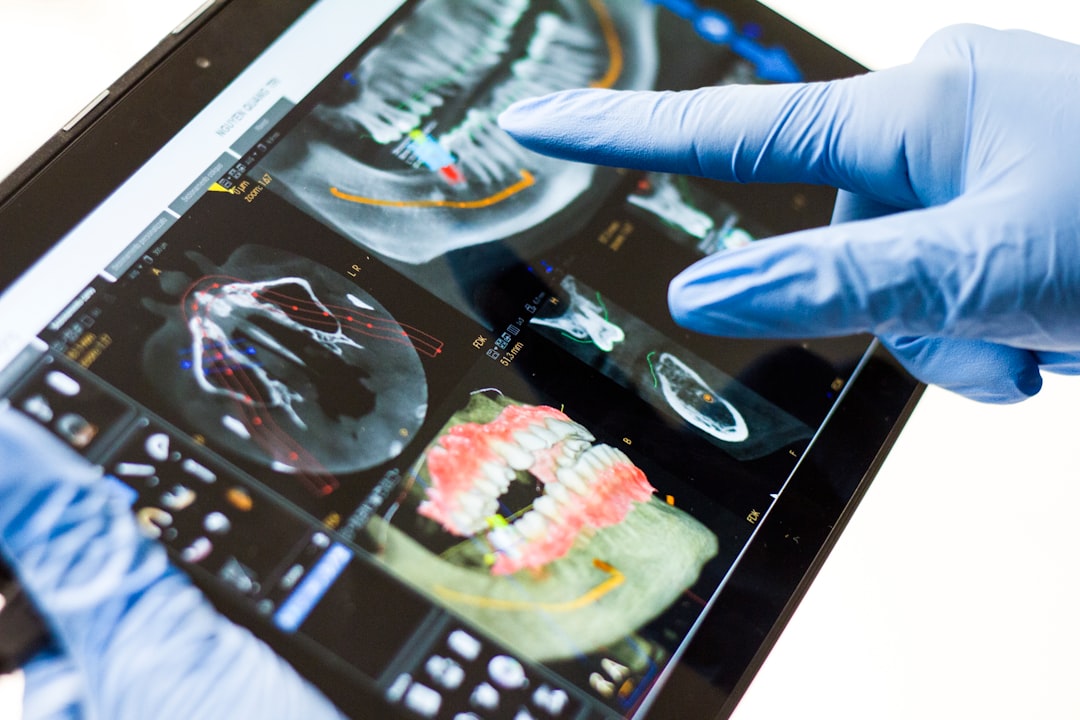
Implant dentistry requires careful planning because the final restoration, bone structure, soft tissue, and surgical position must work together. 3Shape software can support implant workflows by combining digital impressions with radiographic data, such as CBCT scans, in compatible planning environments.
This approach allows the dental team to plan implant placement with the final prosthetic result in mind. A digital scan shows the teeth and soft tissue, while CBCT data shows bone and anatomical structures. Together, these files help professionals plan safer and more prosthetically driven implant treatment.
After planning, a surgical guide may be designed and produced. The guide helps transfer the digital implant plan to the patient’s mouth during surgery. In restorative phases, the same digital information can help design custom abutments, implant crowns, and full-arch prosthetics.
Key Benefits for Dental Practices
3Shape software offers several practical benefits for dental clinics and teams. These advantages are not only technical; they also affect patient experience, practice efficiency, and communication.
- Improved patient comfort: Digital scanning can be more comfortable than traditional impressions, especially for patients with strong gag reflexes.
- Faster workflows: Digital files can be sent instantly to labs, reducing shipping delays and administrative steps.
- Better communication: Dentists, specialists, and labs can review the same 3D files and communicate about case details more clearly.
- Greater accuracy: Digital workflows may reduce distortion associated with physical impression materials when scans are captured properly.
- Enhanced patient education: Visual scans and simulations help patients understand their oral condition and proposed treatment.
- Reduced storage needs: Digital records reduce the need for physical model storage in clinics and labs.
These benefits can improve both clinical outcomes and operational productivity. Over time, a practice may also see fewer remakes, smoother lab relationships, and stronger patient acceptance of treatment plans.
Benefits for Dental Laboratories
For dental laboratories, 3Shape software contributes to efficiency, quality control, and business growth. A lab that receives digital scans can begin working on a case quickly, often without waiting for shipped impressions or stone models. This can shorten turnaround times and support higher case capacity.
The software also helps technicians create consistent designs. Digital libraries, automated suggestions, and adjustable parameters allow experienced technicians to work faster while still applying professional judgment. Less experienced team members may also benefit from guided workflows and standardized design settings.
Another important advantage is connectivity. Many labs work with multiple clinics, manufacturing centers, milling machines, and 3D printers. 3Shape’s open approach makes it easier for labs to fit the software into existing production environments instead of being locked into one narrow workflow.
Considerations Before adopting 3Shape Software
Although 3Shape software has many advantages, dental organizations should consider training, cost, workflow changes, and hardware compatibility before adoption. Digital dentistry requires more than purchasing software; it requires the team to understand scanning protocols, case design principles, file management, and communication processes.
Training is especially important. Poor scanning technique or incorrect case setup can reduce the value of digital tools. A clinic or lab that invests in proper onboarding, continuing education, and workflow refinement is more likely to see strong results.
Cost is another consideration. Software licenses, scanners, modules, support plans, and production equipment can represent a significant investment. However, many dental businesses view the investment as worthwhile when it increases efficiency, improves case acceptance, or reduces remakes.
The Role of 3Shape in the Future of Dentistry
As dentistry continues to become more digital, software platforms such as 3Shape are likely to play an even larger role. Artificial intelligence, cloud collaboration, automated design, and integrated manufacturing are all shaping the future of dental care. 3Shape continues to develop tools that support more connected workflows between patients, clinicians, labs, and production partners.
The future dental practice may rely heavily on digital records, real-time treatment simulations, chairside design, and highly customized prosthetics. In this environment, software becomes as important as clinical instruments. 3Shape’s strength lies in helping dental professionals connect diagnosis, design, communication, and manufacturing into one streamlined process.
Conclusion
3Shape software is a comprehensive digital dentistry ecosystem used across clinics, laboratories, orthodontic practices, and implant workflows. Its main value comes from helping dental professionals capture accurate data, design restorations and appliances, communicate effectively, and connect with modern production technologies.
For practices seeking better patient experiences and faster workflows, and for labs aiming to improve productivity and consistency, 3Shape offers a powerful set of tools. When implemented with proper training and planning, it can support high-quality dental care and help organizations stay competitive in an increasingly digital industry.
FAQ
What is 3Shape software used for?
3Shape software is used for digital dental scanning, restorative design, orthodontic planning, implant workflows, denture design, splint design, and laboratory case management.
Is 3Shape only for dental laboratories?
No. 3Shape software is used by both dental clinics and laboratories. Clinics often use it for intraoral scanning and patient communication, while labs use it for CAD design and production workflows.
Does 3Shape software work with 3D printers and milling machines?
Yes. 3Shape software can integrate with many 3D printers, milling machines, and manufacturing systems, depending on the workflow, file format, and equipment compatibility.
Can 3Shape help with clear aligners?
Yes. 3Shape supports orthodontic workflows, including digital impressions, treatment planning, model preparation, and communication with aligner production systems.
What are the main benefits of 3Shape software?
The main benefits include faster workflows, improved accuracy, better patient comfort, stronger communication between clinics and labs, reduced physical storage, and more predictable digital treatment planning.
Is training required to use 3Shape software effectively?
Yes. Training is highly recommended because successful digital dentistry depends on proper scanning techniques, correct case setup, software knowledge, and efficient communication between the dental team and laboratory.