QR codes have moved from being a convenience to becoming a core business tool. In 2026, companies use them for payments, product packaging, restaurant menus, event check-ins, lead capture, customer support, authentication, and offline-to-online marketing. Choosing the right QR code generator is no longer just about creating a scannable square; it is about reliability, data security, brand control, analytics, integrations, and long-term campaign management.
TLDR: The best QR code generator for a business in 2026 is usually one that offers dynamic QR codes, strong analytics, brand customization, team permissions, and dependable uptime. For enterprise use, platforms such as Uniqode, Scanova, and QR TIGER are strong options, while Bitly, Flowcode, and Hovercode suit marketing teams that need fast deployment and easy tracking. Businesses should avoid choosing solely on price and instead evaluate security, scalability, support, and ownership of campaign data.
What Businesses Should Look for in a QR Code Generator
A serious business QR strategy begins with dynamic QR codes. Unlike static QR codes, dynamic codes allow the destination URL or content to be changed after printing. This is essential for packaging, signage, brochures, badges, and physical assets that may remain in circulation for months or years. If a landing page changes, a product is updated, or a campaign is extended, the business can adjust the destination without reprinting materials.
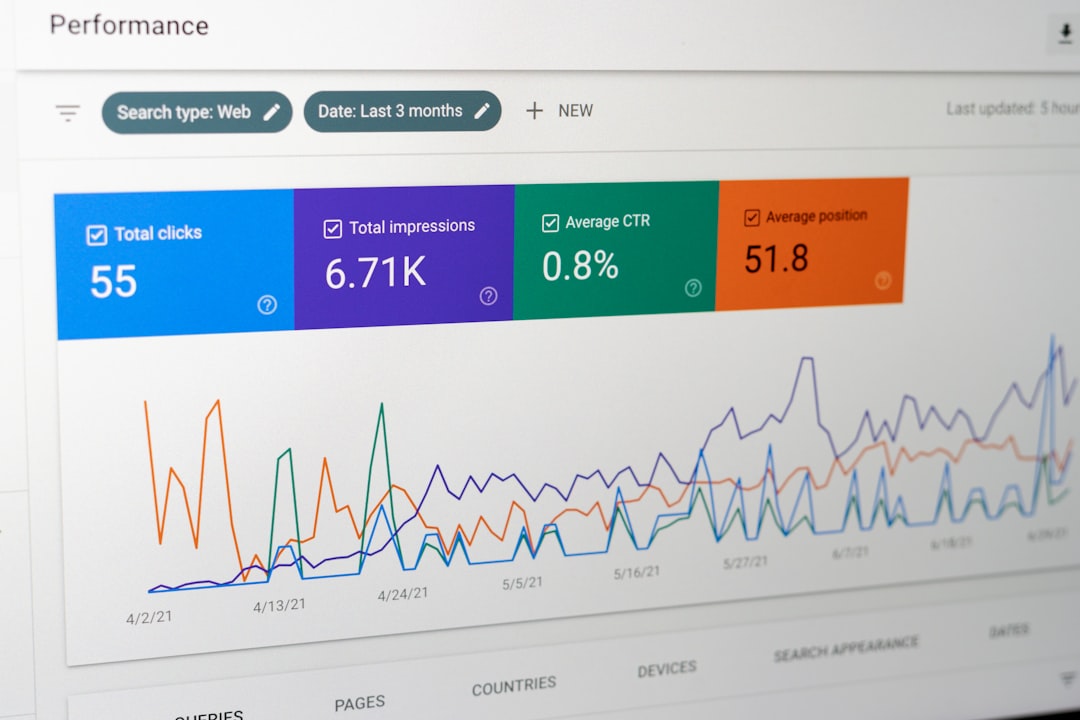
Another important factor is analytics. A business-grade QR platform should provide scan data such as location, device type, operating system, time of scan, and campaign-level performance. For organizations running large campaigns, it should also support UTM parameters, exportable reports, and integrations with tools such as Google Analytics, HubSpot, Salesforce, Zapier, or Adobe Analytics.
Security also matters. Since QR codes can direct users to sensitive actions such as payment pages, login portals, warranty registrations, or patient information forms, companies should look for platforms with SSL-secured redirects, role-based access, audit logs, domain management, and clear privacy policies. For regulated industries, vendor due diligence is not optional.

1. Uniqode
Uniqode is one of the strongest choices for medium-sized and enterprise businesses that need QR codes at scale. It is designed for professional use cases such as multi-location campaigns, product packaging, internal operations, digital business cards, and trackable offline marketing. Its platform typically stands out for its balance of analytics, security, team management, and enterprise features.
Businesses that manage many campaigns will appreciate features such as dynamic QR editing, bulk generation, branded landing pages, white-label options, and detailed scan reporting. The ability to manage teams and permissions is particularly valuable for larger organizations where marketing, compliance, and regional offices all need some level of access.
Best for: enterprises, franchises, agencies, healthcare, retail chains, and organizations that need governance and reporting.
Considerations: Smaller businesses may find the platform more advanced than necessary, especially if they only need a handful of basic QR codes.
2. QR TIGER
QR TIGER is a widely used QR code generator that offers a broad set of dynamic QR code features. It supports many QR code types, including URL, file, vCard, social media, app store, menu, multi-URL, and form-based codes. For marketing teams, the platform is practical because it combines customization, tracking, and campaign management in a relatively accessible interface.
One of QR TIGER’s strengths is flexibility. Businesses can create branded QR codes with logos, custom colors, frames, and calls to action. Its dynamic QR functionality makes it a suitable option for printed campaigns, restaurant menus, event materials, and retail promotions.
Best for: small to medium-sized businesses, marketers, restaurants, real estate professionals, and event organizers.
Considerations: As with any QR platform, businesses should review plan limits carefully, including scan limits, dynamic code limits, and analytics retention.
3. Scanova
Scanova is a serious business-oriented QR code platform with strong support for marketing, events, and operational use cases. It offers dynamic QR codes, landing pages, campaign tracking, bulk creation, and design customization. Its practical focus makes it particularly useful for companies that need dependable QR campaigns but do not want to build custom infrastructure.
Scanova is often a good fit for businesses that want professional QR codes for brochures, posters, product labels, coupons, and lead generation campaigns. The platform also offers options for creating mobile-optimized landing pages, which can be useful when a business does not want to create a separate webpage for every campaign.
Best for: marketing departments, education providers, event companies, consumer brands, and agencies.
Considerations: Businesses should compare reporting depth and integrations against more enterprise-focused platforms if advanced attribution is required.
4. Bitly QR Code Generator
Bitly is best known for link management, but its QR code capabilities are valuable for companies that already rely on shortened links, branded domains, and campaign tracking. The main advantage is that QR code management becomes part of a broader link management workflow. This can be efficient for teams that run campaigns across email, social media, print, paid ads, and physical locations.
Bitly’s QR code option is especially attractive for marketers who value simplicity and reliable link analytics. Businesses can create trackable QR codes connected to branded short links, making campaigns easier to monitor and manage. For organizations that already use Bitly internally, adding QR codes to the same system can reduce complexity.
Best for: marketing teams, digital teams, publishers, ecommerce companies, and businesses already using branded short links.
Considerations: Companies looking for highly specialized QR features, such as advanced landing page builders or complex bulk QR workflows, should compare Bitly with dedicated QR platforms.

5. Flowcode
Flowcode has built a strong reputation around branded, consumer-facing QR experiences. It is commonly used for events, media, retail activations, creators, restaurants, and customer engagement campaigns. The platform emphasizes design, ease of scanning, and connecting offline audiences to digital destinations.
Flowcode is particularly useful when brand presentation matters. Businesses can create visually polished QR codes and connect them to landing pages, forms, profiles, videos, or commerce experiences. This makes it suitable for campaigns where QR codes are part of a larger customer interaction rather than a simple redirect.
Best for: consumer brands, events, entertainment, retail activations, restaurants, and experiential marketing.
Considerations: Businesses with strict compliance requirements should evaluate data handling, permissions, and enterprise controls before committing.
6. Hovercode
Hovercode is a clean and straightforward QR code generator that works well for small businesses and teams that want dynamic QR codes without unnecessary complexity. It focuses on practical QR code creation, customization, and tracking. For many companies, this simplicity is a benefit.
The platform is suitable for businesses that need QR codes for menus, flyers, signage, product inserts, feedback forms, or appointment booking pages. It allows users to create professional-looking codes and monitor performance without needing a large marketing technology stack.
Best for: local businesses, service providers, restaurants, consultants, and startups.
Considerations: Larger organizations may need more advanced permission controls, integrations, and reporting capabilities than a lightweight tool provides.
7. The QR Code Generator
The QR Code Generator is a practical option for users who need a simple, fast way to create QR codes for everyday business needs. It is often suitable for straightforward use cases such as website links, contact details, Wi-Fi access, documents, and promotional pages.
For businesses with limited QR requirements, a simpler generator may be enough. However, companies should be careful when using basic QR tools for critical or long-term printed materials. If the QR code is static, the destination cannot be changed later. For business campaigns, dynamic QR codes are usually the safer choice.
Best for: quick QR creation, basic campaigns, internal use, and small teams with limited requirements.
Considerations: Businesses should confirm whether dynamic editing, analytics, and branding are included in the plan they choose.
How to Choose the Right Tool
The best QR code generator depends on the business model and risk profile. A restaurant that needs digital menus has different requirements from a pharmaceutical company adding QR codes to regulated packaging. A real estate agency may prioritize attractive designs and easy updates, while an enterprise retailer may need bulk generation, API access, and centralized reporting.
- For enterprise control: Consider Uniqode or Scanova.
- For marketing and link tracking: Consider Bitly or QR TIGER.
- For branded consumer experiences: Consider Flowcode.
- For small business simplicity: Consider Hovercode or The QR Code Generator.
- For printed materials: Always prefer dynamic QR codes where possible.
Before choosing a platform, businesses should test the scanning experience on multiple devices, including both iOS and Android phones. They should also check how the QR code performs in real-world conditions: low light, curved packaging, glossy paper, outdoor signage, and long-distance scanning. A QR code that looks attractive on a screen may not perform well when printed incorrectly.

Important Business Features in 2026
In 2026, the most reliable QR code platforms are not just generators; they are campaign management systems. Businesses should look for custom domains, because branded links increase trust and reduce the chance that users hesitate before scanning. A QR code leading to a recognizable company domain is more credible than one that redirects through an unfamiliar address.
Another important feature is bulk creation. Companies with multiple products, employees, branches, seats, rooms, or assets may need hundreds or thousands of unique QR codes. Manual creation is inefficient and increases the risk of mistakes. Bulk upload, API access, and standardized templates can save time and improve accuracy.
Compliance and data privacy should also be reviewed. If QR codes collect personal information, connect to health data, process payments, or support customer accounts, the vendor’s privacy and security posture must be examined. Businesses should ask where data is stored, how long analytics are retained, whether role-based permissions are available, and whether the vendor supports relevant compliance needs.
Common Mistakes to Avoid
One of the most common mistakes is using a free static QR code for a permanent business asset. If the destination changes, the printed material becomes useless. Another mistake is over-designing the code. Excessive color contrast issues, distorted shapes, or poorly placed logos can reduce scan reliability. Branding is valuable, but scannability must come first.
Businesses should also avoid sending QR traffic to pages that are not mobile optimized. Since nearly all QR scans happen on smartphones, slow pages, desktop-only layouts, intrusive popups, and long forms can damage conversion rates. The QR code is only the entry point; the destination experience determines the result.
Final Recommendation
For most businesses in 2026, the best QR code generator is the one that combines dynamic editing, clear analytics, brand control, and reliable security. Uniqode, QR TIGER, Scanova, Bitly, Flowcode, Hovercode, and The QR Code Generator each serve different needs, and the right choice depends on scale, budget, and operational requirements.
A small company may be well served by a simple and affordable tool, while an enterprise should invest in a platform with governance, integrations, and strong support. The most important principle is to treat QR codes as business infrastructure, not as disposable graphics. When selected carefully, a QR code generator can help connect physical touchpoints to measurable digital outcomes with professionalism and control.