PayPal is generally safe for online payments, especially for casual shopping, invoices, and small business sales, but it is not always the cheapest or smoothest choice. Its biggest strength is trust: PayPal processed about $1.53 trillion in total payment volume in 2023 [source: PayPal]. Its biggest weakness is account holds and slower dispute handling, which can be deeply annoying when your money is stuck.
TLDR: PayPal is safe for most buyers because it hides card details from sellers and offers buyer protection. For example, if you order a $120 headset and it never arrives, PayPal may refund you after a dispute review. Stripe is better for businesses that need custom checkout, while Wise is better for international transfers and currency exchange. If you want simple online shopping, PayPal is fine; if you run a growing store, compare fees before you commit.
How Safe Is PayPal?
PayPal uses encryption, fraud monitoring, two-factor authentication, and tokenized payments. That means the merchant usually does not see your card number. This is one reason many shoppers still pick PayPal at checkout.
For buyers, the key feature is PayPal Buyer Protection. It can cover eligible purchases when an item does not arrive or is very different from the listing. That said, it is not magic. Digital goods, personal payments, and some custom items may have weaker protection.
For sellers, PayPal can be both useful and frustrating. Payments are easy to accept. Invoices are simple. But account reviews and temporary holds can happen without much warning. Honestly, it feels like PayPal sometimes treats a normal sales spike like a crime scene.
PayPal vs Stripe
Stripe is built more for businesses, apps, marketplaces, and subscription services. It gives developers strong tools for checkout pages, recurring billing, tax handling, and fraud rules. Stripe says businesses using its platform processed more than $1 trillion in payment volume in 2023 [source: Stripe].
PayPal is easier for non-technical users. You can create a button, send an invoice, or accept payment with little setup. Stripe usually needs more configuration, though many ecommerce platforms connect it with a few clicks.
- Choose PayPal if you sell occasionally, invoice clients, or want a familiar checkout logo.
- Choose Stripe if you run an online store, SaaS product, membership site, or custom app.
- Security: both are strong, but Stripe gives businesses more control over fraud settings.
PayPal vs Wise
Wise is not a direct PayPal clone. It is strongest for international bank transfers, currency conversion, and holding money in different currencies. If you pay freelancers abroad or move money between countries, Wise often feels cheaper and clearer.
PayPal can handle international payments, but fees and exchange rates may sting. Expect to waste time on fee screens if you are comparing currencies. Wise is usually more transparent about exchange rates because it shows the mid-market rate and its fee upfront.
PayPal wins for buyer protection on shopping. Wise wins for sending money across borders. They solve different problems.
Image not found in postmetaWhat About Apple Pay, Google Pay, Venmo, and Square?
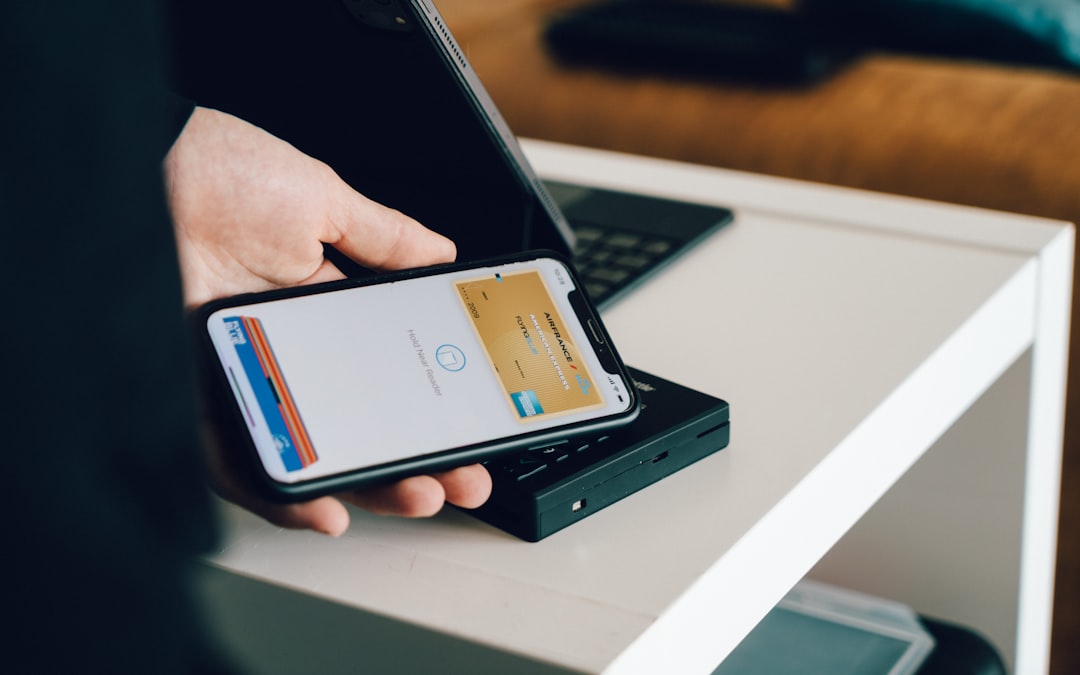
Apple Pay and Google Pay are excellent for card-based checkout. They use tokenization, so your real card number is not shared with the merchant. They are quick, clean, and safe for everyday purchases.
Venmo, owned by PayPal, is better for friends, roommates, and small social payments. It is not ideal for buying from strangers unless the payment is marked correctly as a purchase. Sending money as “friends and family” to an unknown seller is a bad idea.
Square is strong for small businesses that sell both online and in person. Cafes, salons, market vendors, and local shops often prefer it because the hardware and software work well together.
Where PayPal Still Wins
PayPal is accepted almost everywhere. That matters. Many shoppers already have an account, so checkout can be fast. It also gives nervous buyers a buffer between their bank card and a new merchant.
It is also useful for freelancers. You can send invoices, accept card payments, and receive money from clients in many countries. The setup is easier than building a full payment system.
Where PayPal Falls Short
The fees can be confusing. International payments can cost more than expected. Seller protection has rules, and missing one detail can hurt your case. The dispute process can also feel slow when you need cash flow now, not next week.
Another risk is phishing. PayPal’s brand is widely trusted, so scammers copy its emails constantly. Never click a payment link from a suspicious message. Open PayPal directly in your browser or app instead.
Quick Safety Checklist
- Turn on two-factor authentication.
- Use a strong, unique password.
- Do not use “friends and family” for purchases from strangers.
- Check seller ratings and delivery terms.
- Keep tracking numbers and receipts.
- Review fees before accepting international payments.
Final Verdict
PayPal is safe, but not perfect. It is a strong choice for online shoppers and casual sellers who want broad acceptance and buyer protection. Stripe is better for serious online businesses. Wise is better for international transfers. Apple Pay and Google Pay are faster for card checkout.
The best option depends on the job. Use PayPal when trust and convenience matter most. Use Stripe when you need a real payment system. Use Wise when currency fees are the main concern.