Most restaurants should use Meta Business Suite if Instagram and Facebook drive most reservations, while multi-location restaurants usually get more control from Hootsuite. Meta Business Suite is free, simple, and built for Meta platforms. Hootsuite costs more, but it saves time when a restaurant posts across Instagram, Facebook, TikTok, LinkedIn, X, Pinterest, or several brand pages.
TLDR: A single-location bistro posting daily Reels, Stories, and Facebook updates can often manage social media well with Meta Business Suite at no software cost. A restaurant group with 5 locations may save 6 to 10 hours per month with Hootsuite because approvals, shared calendars, and cross-channel reports sit in one place. For example, if one manager spends 20 minutes per day switching between accounts, that adds up to about 10 hours per month. Hootsuite may be worth the fee when that lost time affects service, promos, or response speed.
Why social media management matters for restaurants
Restaurants do not post just to “stay active.” They post to fill tables, promote specials, push events, answer questions, and keep regulars coming back. A slow social media workflow can hurt real revenue. A missed message about a reservation, catering request, or private party can cost more than a month of software.
For restaurants, social media also moves fast. A sold-out brunch item, a rainy patio day, or a last-minute happy hour deal may need a post within minutes. That is why the right tool must be quick, clear, and reliable. Fancy features mean little if the team avoids using them.
Meta Business Suite: best for Facebook and Instagram basics
Meta Business Suite is the obvious starting point for many restaurants. It manages Facebook Pages, Instagram profiles, comments, messages, ads, basic insights, and scheduled posts. Since many restaurants rely heavily on Instagram and Facebook, this may cover most daily needs.
The biggest benefit is simple: it is free. A small restaurant with thin margins may not want another monthly bill. Meta Business Suite lets a manager schedule a week of posts, answer Instagram DMs, check Facebook comments, and view audience data without paying for a third-party tool.
It is also useful for restaurants running Meta ads. Boosted posts, local awareness ads, event promos, and offer campaigns are all close to the same place. That makes it easier to promote a Valentine’s dinner, taco Tuesday, or chef’s tasting menu without jumping across several tools.
Where Meta Business Suite works well
- Single-location restaurants with one Facebook Page and one Instagram account.
- Cafes, bars, food trucks, and casual spots that post simple updates.
- Restaurants focused on Reels, Stories, and local Meta ads.
- Teams with no budget for paid social media software.
The catch is that Meta Business Suite can feel clunky. Some managers report that creating a post, adjusting placement, and checking previews can take longer than expected. It drives teams crazy when a simple post takes 30 seconds more per edit because the interface refreshes or hides a setting in a different panel.
Hootsuite: better for multi-channel control
Hootsuite is a paid social media management platform built for handling many channels and accounts from one dashboard. For restaurants that post only to Facebook and Instagram, it may feel like too much. For restaurant groups, franchises, nightlife brands, or catering companies, it can be far more practical.
Hootsuite supports scheduling, social inboxes, team roles, approvals, analytics, bulk posting, and campaign views. These features matter when several people touch the same content. A general manager may submit a brunch post. A marketing director may approve it. A regional operator may track results. Hootsuite keeps that work organized.
It also helps when a restaurant brand uses more than Meta. A cocktail bar may promote events on TikTok. A fine dining restaurant may share press on LinkedIn. A bakery may use Pinterest for cakes and holiday boards. Hootsuite gives those channels one shared calendar.

Where Hootsuite works well
- Restaurant groups with multiple locations or brands.
- Teams that need approval workflows before posts go live.
- Restaurants using several platforms beyond Instagram and Facebook.
- Marketing teams that need detailed reports for owners or investors.
Honestly, it feels like Hootsuite solves problems that small restaurants may not have. A neighborhood diner posting five times per week may not need bulk scheduling or layered permissions. But once a business has several managers, several pages, and weekly campaigns, those features stop feeling extra.
Scheduling and publishing comparison
Meta Business Suite offers solid scheduling for Facebook and Instagram. It can schedule feed posts, Reels, and Stories, although some content types may still feel smoother inside the native apps. It is useful for planning daily specials, weekend menus, and holiday hours.
Hootsuite provides a stronger calendar for larger teams. Posts across different platforms appear in one view. This helps a restaurant avoid posting the same offer too many times on one channel while forgetting another. It also supports planning around events, holidays, sports nights, and seasonal menus.
For a single restaurant, Meta’s planner is usually enough. For a restaurant group with 10 Facebook Pages and 10 Instagram profiles, Hootsuite’s publishing view can reduce confusion fast.
Inbox and customer messages
Speed matters when guests ask about hours, reservations, allergies, parking, or private dining. Meta Business Suite includes a unified inbox for Facebook and Instagram. That is valuable because many restaurant questions arrive through DMs, not email.
Hootsuite offers a broader social inbox across more networks, depending on the plan and integrations. This suits brands that receive comments and messages from multiple platforms. It also helps larger teams assign replies, track response status, and avoid duplicate answers.
For restaurants, the best inbox is the one staff will actually check. A free tool checked hourly beats a paid tool ignored for two days.
Analytics and reporting
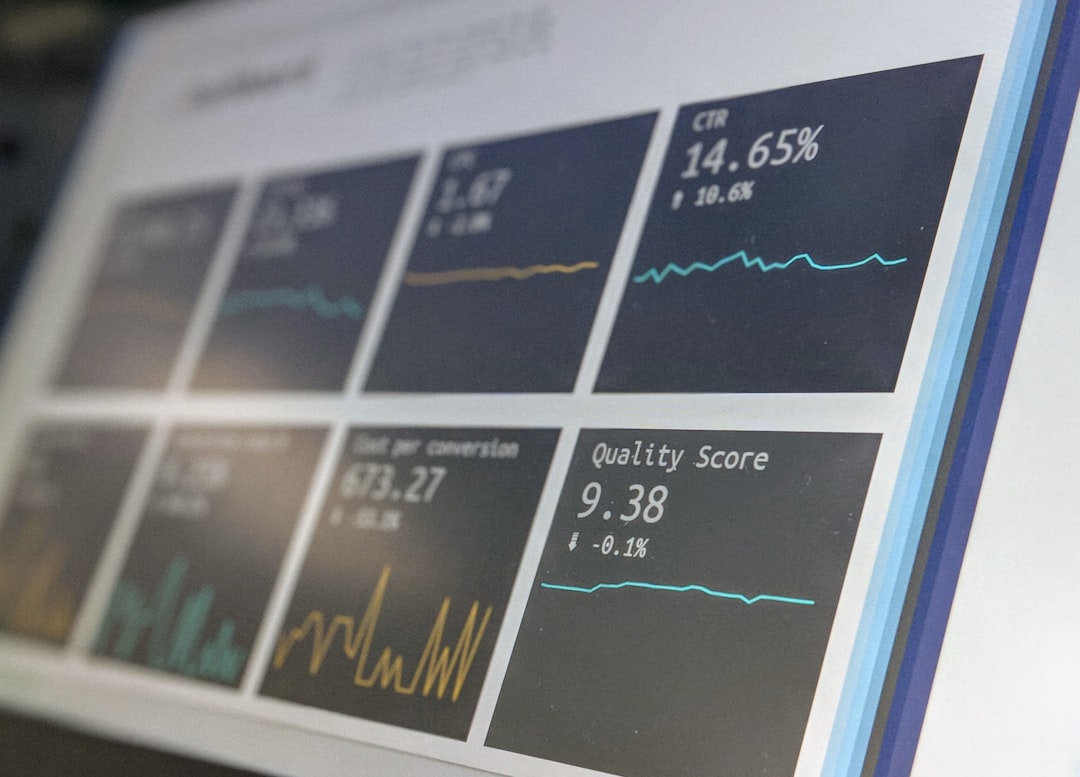
Meta Business Suite gives restaurants basic performance data. It shows reach, engagement, follower growth, content results, and ad performance for Facebook and Instagram. For local restaurants, that may be enough. A manager can see whether a Reel about lobster rolls beat a static photo of the dining room.
Hootsuite is stronger when reports must compare multiple platforms or locations. A restaurant group can track which location gets the highest engagement, which platform brings the most clicks, and which campaigns perform best over time. Reports can be packaged for owners, regional managers, or partners.
Cost and value
Meta Business Suite wins on price because it is free. The main cost is time. If a manager spends only 15 minutes per day on social media, that may be acceptable. If the tool slows down posting, reporting, or responses, the hidden cost grows.
Hootsuite requires a paid plan, and pricing can rise as team members, accounts, and features increase. The value depends on labor savings. If Hootsuite saves a marketing coordinator 8 hours each month, and that person’s time costs $30 per hour, the saved labor equals $240. That can justify the subscription for many restaurant groups.
Which tool should a restaurant choose?
Meta Business Suite is the better choice for independent restaurants, food trucks, cafes, and bars that mainly use Facebook and Instagram. It covers the basics, costs nothing, and connects directly to Meta ads.
Hootsuite is the better choice for restaurants with multiple locations, multiple platforms, formal approval needs, or reporting demands. It is also better when one person manages several restaurant brands and cannot afford tab overload every morning.
The simplest rule is this: if the restaurant’s social media feels manageable, Meta Business Suite is probably enough. If posts, replies, reports, and approvals are slipping, Hootsuite may pay for itself.
FAQ
Is Meta Business Suite enough for a restaurant?
Yes, for many independent restaurants. It works well for scheduling Facebook and Instagram posts, replying to messages, checking insights, and running basic ads.
Is Hootsuite worth it for a small restaurant?
Not always. A small restaurant may not need paid software unless it manages several platforms, needs team approvals, or loses too much time switching tools.
Can restaurants schedule Instagram Reels in Meta Business Suite?
Yes, Meta Business Suite supports scheduling many Instagram content types, including Reels. Some editing tasks may still feel easier in the Instagram app.
Which tool is better for responding to guests?
Meta Business Suite is strong for Facebook and Instagram messages. Hootsuite is better when messages and comments arrive across several social platforms.
Which platform gives better analytics?
Meta Business Suite gives useful Meta-only insights. Hootsuite is better for cross-platform reports, multi-location tracking, and campaign summaries.
What is the best choice for a restaurant group?
Hootsuite is usually the better fit. Approval workflows, shared calendars, and broader reporting help keep several locations organized.