
Feng Shui interior design is often described as the art of arranging a home so that it supports comfort, clarity, and wellbeing. At its core, it is a practical system for observing how space affects mood, behavior, and daily routines. While some people approach Feng Shui from a traditional cultural perspective, others use it as a thoughtful design method for improving flow, reducing clutter, and creating rooms that feel more balanced. When applied carefully, Feng Shui can help your home feel calmer, more intentional, and more supportive of the life you want to live.
TLDR: Feng Shui can improve your home energy by creating better movement, reducing visual stress, and aligning each room with a clear purpose. It focuses on balance, natural materials, light, color, and thoughtful furniture placement. You do not need to redesign your entire home to benefit; small changes such as decluttering, improving the entryway, and repositioning key furniture can make a noticeable difference. The goal is to create a home that feels stable, nourishing, and easy to live in.
Understanding Home Energy in Feng Shui
In Feng Shui, the term energy is commonly associated with Chi, the natural life force believed to move through people, spaces, and environments. Whether you interpret Chi spiritually, psychologically, or practically, the concept is useful: a home should allow movement, rest, attention, and connection to happen without unnecessary resistance.
A room with blocked pathways, poor lighting, neglected corners, or too many objects can feel heavy and distracting. By contrast, a room with clear circulation, balanced furniture, fresh air, and meaningful decor often feels more welcoming. Feng Shui interior design works with these subtle but powerful impressions. It asks: Does this space support your daily life, or does it drain your attention?
Good Feng Shui is not about superstition or rigid decoration rules. It is about creating a relationship between the home and the people living in it. A well-designed home should feel safe, functional, and emotionally steady.
The Importance of the Front Entrance
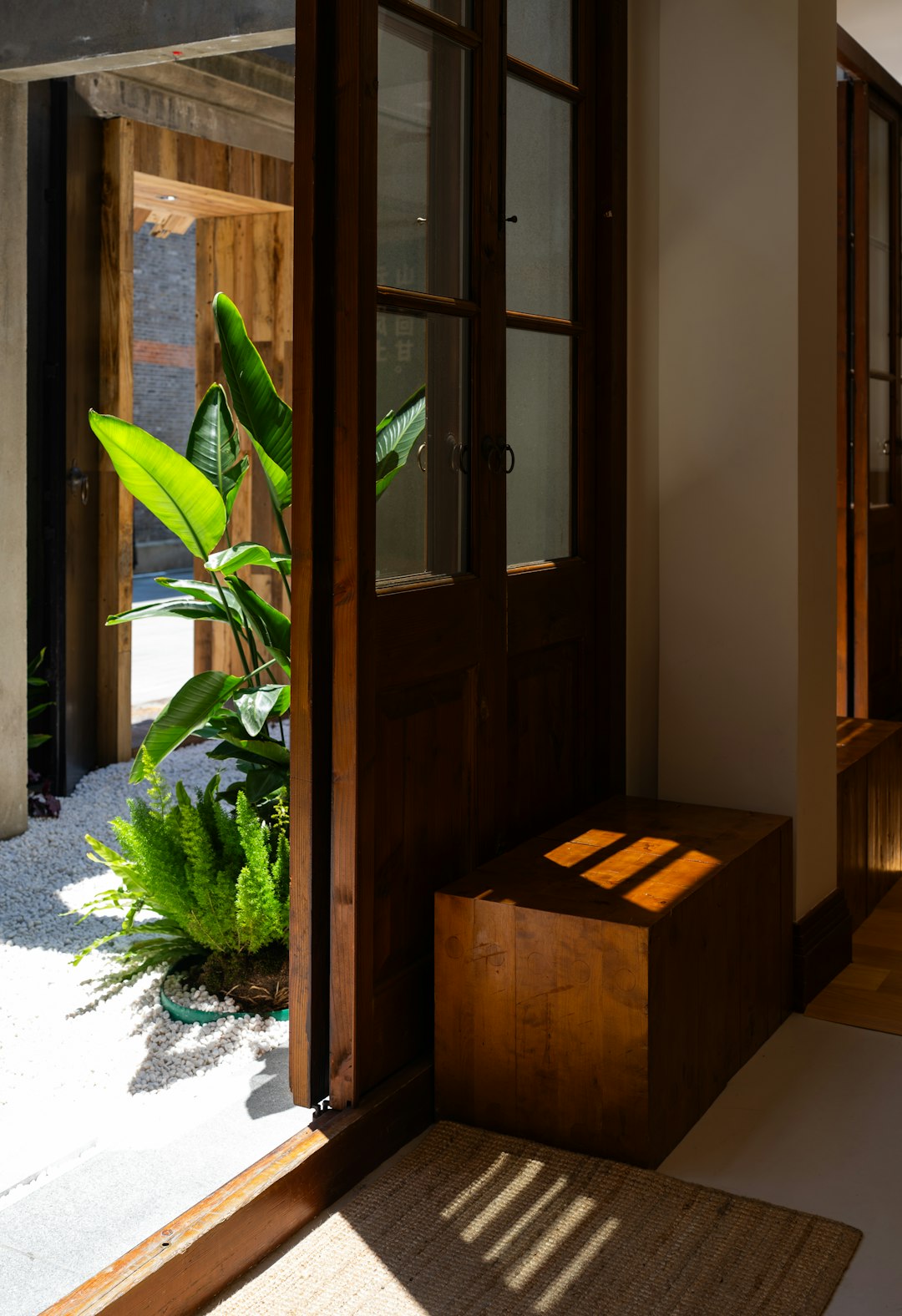
The front entrance is one of the most important areas in Feng Shui because it represents how energy enters the home. It is often called the “mouth of Chi.” If the entryway is cluttered, dark, or difficult to use, the home may feel less inviting from the moment you step inside.
Improving this area can have an immediate effect on the way your home feels. The entrance should be clean, well lit, and easy to move through. Shoes, bags, mail, and coats should have proper storage so they do not create visual noise.
- Keep the doorway clear so the door can open fully and smoothly.
- Add warm lighting to create a sense of welcome and security.
- Use a healthy plant or simple artwork to bring vitality to the space.
- Repair broken handles, locks, or doorbells because neglected details can make a home feel unsettled.
Decluttering as an Energy Reset
One of the most practical Feng Shui principles is that clutter blocks energy. Clutter does not only mean mess; it can also include items that are unused, emotionally heavy, damaged, or placed without purpose. A crowded home often creates a crowded mind. When too many objects compete for attention, it becomes harder to relax, focus, or feel in control.
Decluttering is not about minimalism for its own sake. A Feng Shui home can be rich, layered, and personal. The question is whether each item has value, function, or beauty. If an object makes you feel guilty, tense, or burdened, it may be affecting the emotional energy of the room.
Start with one area at a time. The best places to begin are often surfaces, entryways, nightstands, and storage areas that are opened frequently. When you remove unnecessary items, you create space for air, light, and movement. The result is usually not only a cleaner room but also a clearer state of mind.
Furniture Placement and the Command Position
One of the most widely used Feng Shui guidelines is the command position. This means placing important furniture, such as the bed, desk, or main sofa, where you can see the entrance to the room without being directly in line with the door. The idea is that a person feels more secure and empowered when they can see what is approaching.
In a bedroom, the bed should ideally have a solid wall behind it, space on both sides, and a clear view of the door. This arrangement can create a greater sense of rest and stability. In an office, positioning the desk so you can see the door may help you feel more focused and in control. In a living room, seating should encourage conversation while still allowing easy movement through the space.
From a psychological perspective, this makes sense. People tend to feel more relaxed when they are not sitting with their backs exposed to a doorway. Feng Shui translates this instinct into a design principle that supports comfort and confidence.
Balancing the Five Elements
Traditional Feng Shui uses five elements: wood, fire, earth, metal, and water. These elements are not only literal materials; they also represent qualities of energy. A balanced interior often includes a thoughtful mixture of these elements so that the home does not feel too cold, too chaotic, too heavy, or too dull.
- Wood represents growth and vitality. It can appear through plants, wooden furniture, green colors, or vertical shapes.
- Fire represents warmth, passion, and visibility. It can appear through lighting, candles, red tones, or triangular forms.
- Earth represents stability and nourishment. It can appear through ceramics, stone, beige tones, square shapes, and low furniture.
- Metal represents clarity, precision, and structure. It can appear through metal finishes, white and gray colors, round shapes, or organized storage.
- Water represents flow, reflection, and depth. It can appear through mirrors, dark colors, glass, curved shapes, or actual water features.
The goal is not to add every element in equal amounts. Instead, observe how a room feels. If it feels sterile, add wood or earth. If it feels stagnant, add more light or movement. If it feels overstimulating, introduce softer textures, neutral colors, or grounding materials.
Using Color to Influence Atmosphere
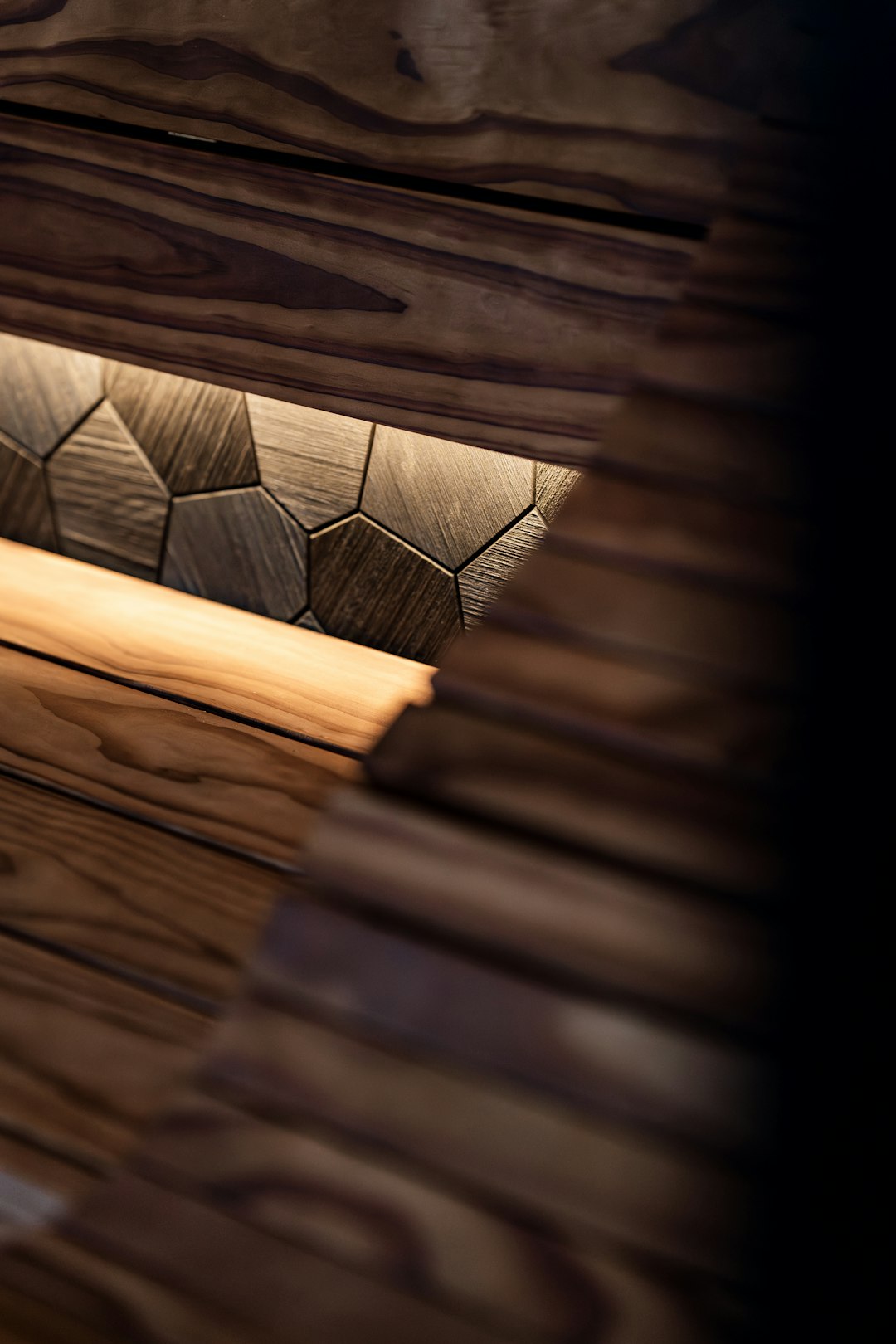
Color has a measurable effect on mood and perception, which is why it is a major part of Feng Shui interior design. A room’s color palette should support the activity that takes place there. For example, a bedroom benefits from calming tones, while a dining room may support warmer colors that encourage conversation and appetite.
Soft blues and greens can feel peaceful and restorative. Earth tones such as sand, clay, cream, and warm brown can create stability. Reds, oranges, and bright yellows can bring energy but should be used carefully because they may become overwhelming. White and gray can feel clean and precise, but too much can make a home feel cold unless balanced with texture and warmth.
When choosing colors, consider both Feng Shui symbolism and your own response. A color that is traditionally considered calming may not work if you personally dislike it. The strongest interiors combine design principles with honest personal comfort.
Light, Air, and Natural Materials
Healthy home energy depends heavily on light and air. A dark, stuffy space rarely feels uplifting, no matter how carefully it is decorated. Feng Shui encourages natural light, fresh airflow, and materials that connect the home to nature.
Open curtains during the day, clean windows regularly, and avoid blocking light with oversized furniture. If natural light is limited, use layered lighting: overhead light, task lighting, and softer lamps. This creates flexibility and allows the room to shift between activity and rest.
Air quality also matters. Ventilation, clean fabrics, and healthy plants can improve the feeling of a space. Natural materials such as wood, cotton, linen, wool, stone, bamboo, and clay often provide a grounded quality that synthetic surfaces may lack. These materials age well and create a tactile sense of warmth.
The Bedroom as a Place of Restoration
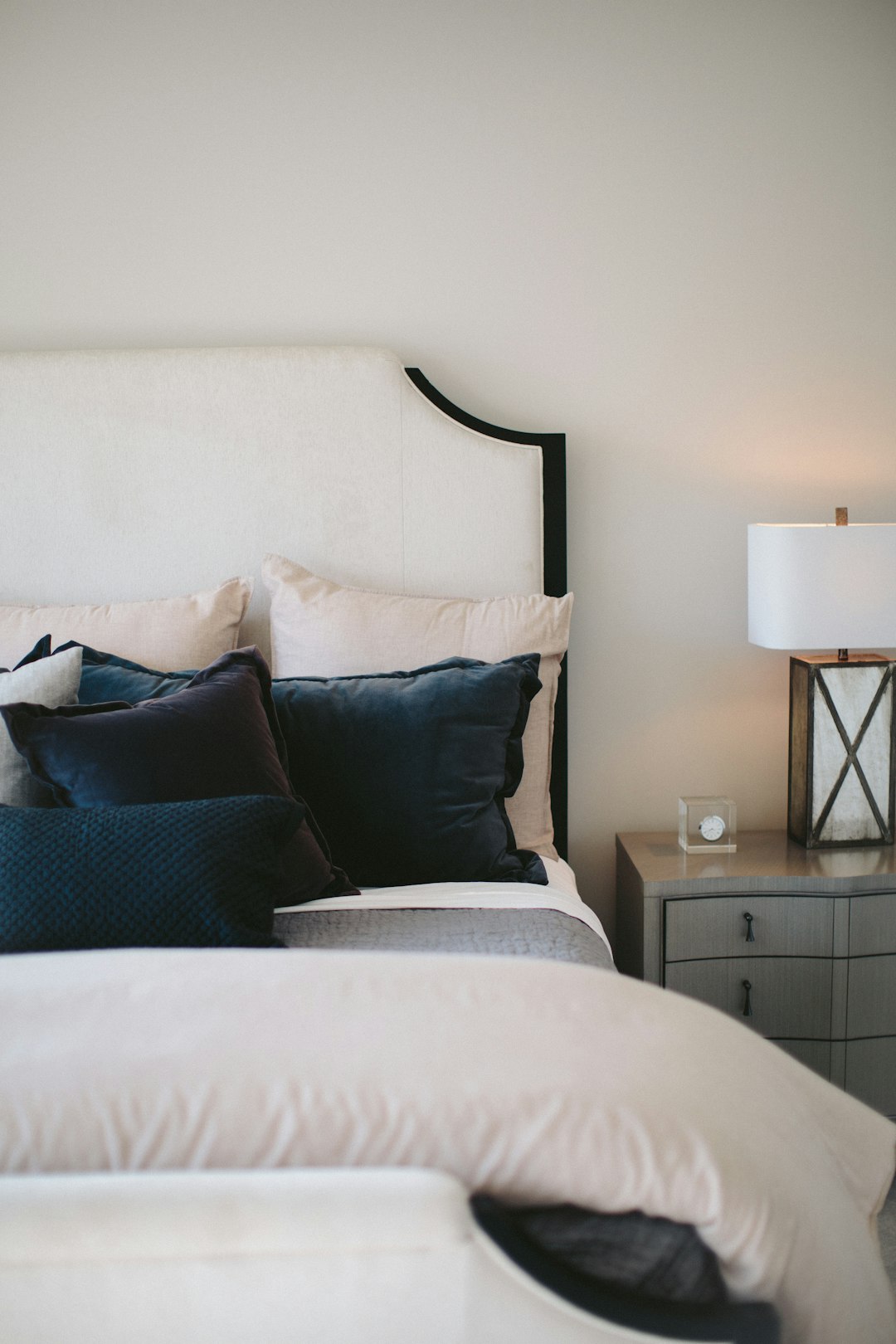
The bedroom is especially important because it affects sleep, intimacy, and personal recovery. In Feng Shui, the bedroom should feel calm, protected, and uncluttered. It should not function as a storage room, office, gym, or entertainment center if these uses interfere with rest.
Place the bed in a stable position with a supportive headboard. Avoid placing heavy shelves directly above the bed, as they can create a sense of pressure. Keep the space under the bed as clear as possible to allow energy to circulate. If storage is necessary, use it for soft, sleep-related items rather than paperwork, shoes, or forgotten possessions.
Electronics should be minimized when possible. Phones, televisions, and work devices can introduce mental stimulation into a room meant for restoration. If complete removal is unrealistic, consider storing devices away from the bed and reducing visible cords.
The Kitchen and Nourishing Energy
The kitchen represents nourishment, health, and prosperity in Feng Shui. A clean and functional kitchen supports the idea that the home can provide care and abundance. Broken appliances, expired food, crowded counters, and neglected cabinets can create the opposite impression.
Keep the stove clean and use all burners regularly if possible. In traditional Feng Shui, the stove is connected with wealth and resources because it is where food is prepared. From a practical standpoint, a clean and accessible cooking area encourages healthier routines and more intentional meals.
Organize pantry items, remove chipped dishes, and keep knives stored safely rather than displayed aggressively. The kitchen should feel active but not chaotic. Good lighting, clean surfaces, and efficient storage can make it one of the most energizing rooms in the home.
Creating Flow Between Rooms
Feng Shui is not only about individual rooms; it is also about how the whole home connects. Energy should move smoothly from one area to the next. If hallways are blocked, doors cannot open fully, or furniture interrupts natural pathways, the home may feel frustrating even if each room looks attractive on its own.
Walk through your home slowly and notice where movement feels awkward. Do you bump into furniture? Are there dark corners that feel neglected? Are certain rooms used only for storage? These observations reveal where energy may be stuck.
Simple changes can make a major difference. Move a chair a few inches, remove an unused table, add a lamp to a dim hallway, or place art where the eye needs a gentle destination. Feng Shui often works through these subtle refinements rather than dramatic renovation.
Personal Meaning and Emotional Alignment
A serious approach to Feng Shui does not ignore personal meaning. Your home should reflect who you are and what you value. Art, photographs, books, textiles, and inherited objects can create emotional depth. However, they should be chosen and placed with awareness.
Surround yourself with images and objects that support the life you want to cultivate. If a piece of decor reminds you of a painful period, a failed obligation, or an outdated identity, consider whether it deserves a central place in your home. Feng Shui encourages honest evaluation: What is this object contributing to the energy of the room?
This does not mean every item must be cheerful or new. Meaningful antiques, family pieces, and complex artwork can all belong in a balanced home. The key is intention. A home gains strength when its contents are cared for, respected, and thoughtfully placed.
Practical First Steps for Better Feng Shui
If you want to improve your home energy without becoming overwhelmed, begin with a few focused actions:
- Clear the entrance and make it clean, bright, and welcoming.
- Declutter one visible surface, such as a dining table, coffee table, or kitchen counter.
- Reposition your bed or desk so you have a better view of the room entrance.
- Add natural elements, such as plants, wooden textures, or fresh flowers.
- Improve lighting in any room that feels dull, cold, or neglected.
- Remove broken or unused items that create a sense of delay or disorder.
These steps are simple, but they can significantly shift how a home feels. Feng Shui is most effective when it becomes a habit of noticing and adjusting, not a one-time decorating project.
Conclusion: Designing a Home That Supports You
Feng Shui interior design can improve your home energy by making the space more intentional, balanced, and responsive to daily life. It combines practical organization with deeper awareness of how surroundings influence mood and behavior. A home with good Feng Shui is not necessarily expensive or perfectly styled; it is cared for, functional, and emotionally supportive.
By paying attention to flow, light, furniture placement, natural materials, color, and personal meaning, you can create a home that feels steadier and more nourishing. The most important principle is awareness. When you design with intention, your home becomes more than a place to live. It becomes an environment that helps you rest, focus, connect, and move forward with greater ease.