
Running a store can feel like juggling flaming socks. You sell on your website. You sell in a shop. You sell on marketplaces too. Then a customer asks, “Is this in stock?” and everyone freezes. This is where Magento omnichannel solutions come in. They help connect all your sales channels, so your business feels less like chaos and more like a smart, happy machine.
TLDR: Magento omnichannel solutions connect your online store, retail shops, and marketplace sales in one system. They help you manage stock, orders, customers, and product data with fewer mistakes. Customers get a smoother experience, whether they shop on your site, in your store, or on a marketplace. Your team saves time, avoids confusion, and sells with more confidence.
What Does “Omnichannel” Mean?
Omnichannel sounds fancy. But the idea is simple.
It means all your sales channels work together. Your website talks to your retail store. Your marketplace listings talk to your inventory. Your customer data does not live in ten different caves.
Think of it like a band. Your Magento store is the lead singer. Your retail shop is the drummer. Marketplaces are the guitar players. If they all play different songs, it sounds terrible. If they follow the same rhythm, customers enjoy the show.
That is the magic of omnichannel commerce.

Why Magento Is a Strong Base
Magento, now part of Adobe Commerce, is built for flexible selling. It can support small brands. It can also support large businesses with many stores, products, and customer groups.
Magento is useful because it can connect with many tools. This includes:
- Point of sale systems for retail checkout.
- Marketplaces like Amazon, eBay, Walmart, and others.
- Inventory tools for stock control.
- Shipping platforms for delivery and tracking.
- CRM systems for customer information.
- ERP software for finance, operations, and purchasing.
In simple words, Magento can become the center of your sales world. It helps your tools share information. That means fewer spreadsheets. Fewer “Oops” moments. Fewer angry emails written in all caps.
Connecting Online and Retail Sales
Customers do not think in channels. They think in needs.
One customer may browse your website during lunch. Later, they visit your store to touch the product. Then they order it from their phone at night. To them, this is normal. To your business, it can be tricky.
Magento omnichannel solutions make this easier. They can support options like:
- Buy online, pick up in store.
- Reserve online, try in store.
- Return online orders in a retail shop.
- Ship from store when warehouse stock is low.
- See local store inventory online.
These features make customers smile. They also help you use your stock better. If one store has five jackets sitting on a shelf, Magento can help turn that store into a mini warehouse. The jacket gets sold. The customer gets it faster. Everybody wins.
Keeping Inventory Under Control
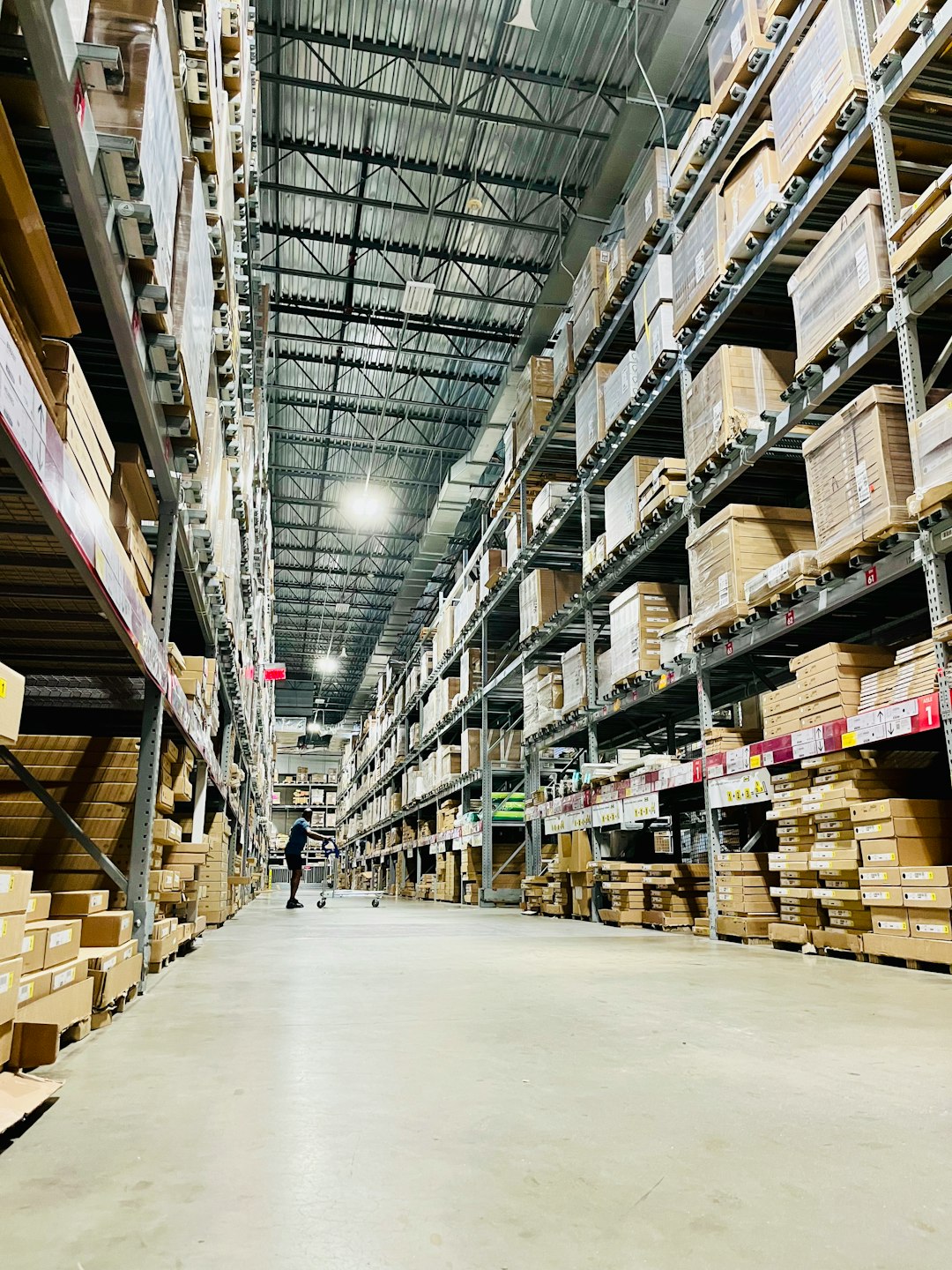
Inventory is the heart of omnichannel selling. If stock numbers are wrong, problems appear fast.
Imagine your website says a red backpack is available. A customer buys it. But the backpack was sold in your shop ten minutes ago. Now you have to send a sad apology email. Nobody likes that email.
Magento can help prevent this with centralized inventory management. Stock updates can move between channels in near real time. Your team can see what is available, where it is located, and what needs to be reordered.
This is especially helpful when you sell through marketplaces. Marketplaces are powerful. But they are also strict. If you sell items you do not have, your seller rating can suffer. Magento integrations can reduce overselling and keep listings accurate.
Selling on Marketplaces Without Losing Your Mind
Marketplaces bring traffic. Lots of traffic. But they also bring rules, fees, product formats, and order deadlines. Each marketplace has its own way of doing things.
Magento marketplace integrations can help you manage this from one place. Instead of logging into many dashboards, your team can work from a central system.
You can often manage:
- Product listings across marketplaces.
- Prices for each channel.
- Order imports into Magento.
- Shipping updates back to the marketplace.
- Stock levels across all channels.
This saves time. It also keeps your brand more consistent. Your product names, images, descriptions, and prices are easier to control. That means fewer weird listings. No more “Blue Sneaker Size Potato” titles. Hopefully.
Making Customer Data Useful
Omnichannel is not only about products. It is also about people.
When your systems connect, you learn more about your customers. You can see how they shop. You can notice what they buy online. You can see what they return in store. You can spot patterns.
This helps with better marketing. For example, a customer buys running shoes in your shop. Later, you can send an email about running socks. Or a customer often buys skincare online. You can offer a store pickup discount for their next order.
Good data makes your messages feel helpful. Bad data makes your messages feel strange. Nobody wants a winter coat ad two days after buying the same coat.
Better Orders and Faster Fulfillment
Order management is another big win. Magento can help collect orders from your website, stores, and marketplaces. Then your team can decide the best way to fulfill them.
Sometimes the best option is a warehouse. Sometimes it is a nearby store. Sometimes it is a dropship partner. A smart setup can route orders based on stock, distance, cost, and speed.
This matters because customers are not very patient anymore. They want fast shipping. They want clear tracking. They want easy returns. They want all of this while drinking coffee and tapping their phone with one thumb.
Magento omnichannel solutions help you meet those expectations.

Common Tools That Support Magento Omnichannel
Every business is different. So the exact setup may change. But most Magento omnichannel projects include a few key parts.
- POS integration: Connects physical store sales with Magento.
- Inventory management: Tracks stock across warehouses and stores.
- Marketplace connector: Sends products and receives orders.
- ERP integration: Syncs business data like purchasing and finance.
- Shipping software: Creates labels and updates tracking.
- Customer management: Builds a clearer customer profile.
The goal is not to add tools just for fun. Tools are not stickers. More is not always better. The goal is to build a stack that works smoothly.
Benefits for Your Team
Customers get a better experience. But your team also benefits.
With a good omnichannel setup, staff can stop chasing data. They can stop copying orders by hand. They can stop asking, “Which spreadsheet is the real one?”
Your team gets:
- Fewer manual tasks.
- Cleaner product data.
- Better stock visibility.
- Faster order processing.
- Less channel confusion.
This gives people more time for useful work. Like helping customers. Improving products. Planning promotions. Or finally enjoying lunch without an inventory emergency.
Start Simple, Then Grow
You do not need to connect everything in one giant project. That can be expensive and scary. It can also make everyone stare at flowcharts until their souls leave the room.
Start with the biggest pain point. Maybe stock accuracy is the problem. Maybe marketplace orders are messy. Maybe retail returns are confusing. Fix one major issue first. Then improve step by step.
A smart plan may look like this:
- Audit your current sales channels.
- List your biggest problems.
- Choose the most important integrations.
- Clean your product and inventory data.
- Test workflows before going live.
- Train your team.
- Measure results and improve.
Small wins build momentum. Big wins follow.
The Fun Part: A Smoother Customer Journey
At the end of the day, omnichannel is about making shopping easy.
A customer should move from Instagram to your Magento store. Then to your retail shop. Then to a marketplace listing. It should all feel connected. They should see the right product details. They should get accurate stock information. They should receive orders on time.
When this happens, your brand feels reliable. Customers trust you more. They come back more often. They tell friends. They leave better reviews. And yes, they buy more stuff.
Magento omnichannel solutions help turn separate sales channels into one connected experience. Your website, retail stores, and marketplaces can work like a team. Not like strangers at a bus stop.
Commerce will keep changing. Customers will keep expecting more. But with Magento at the center, your business can stay flexible, organized, and ready for the next sale. Maybe even the next thousand sales.