
Keywords are still one of the most important building blocks of effective blog SEO, but the way we use them has changed dramatically. Search engines no longer reward pages that repeat the same phrase as many times as possible. Instead, they favor content that answers real questions, matches search intent, and uses relevant language naturally. In other words, good keyword use is less about “tricking” algorithms and more about helping both readers and search engines understand your content.
TLDR: Use keywords strategically, not excessively. Start with search intent, choose a clear primary keyword, support it with related terms, and place keywords naturally in important areas like titles, headings, introductions, and meta descriptions. The best SEO blog content is useful, readable, and written for people first.
Why Keywords Still Matter
Keywords act like signals. They tell search engines what your blog post is about and help connect your content with people searching for that topic. If someone searches for best indoor plants for beginners, a blog post using that phrase and closely related ideas has a better chance of being considered relevant.
However, keywords are not magic buttons. A page will not rank simply because it contains a popular term. Search engines look at quality, structure, authority, user experience, internal links, and how well the content satisfies the query. Keywords are part of the system, but they work best when supported by valuable writing.
Start With Search Intent
Before choosing keywords, ask: What does the searcher actually want? This is called search intent, and it is central to modern SEO.
- Informational intent: The user wants to learn something, such as “how to use keywords in blogs.”
- Navigational intent: The user wants to find a specific site, brand, or page.
- Commercial intent: The user is comparing options, such as “best keyword research tools.”
- Transactional intent: The user is ready to buy, sign up, or take action.
A blog post usually targets informational or commercial intent. If your article promises a beginner’s guide but mostly promotes a product, readers may leave quickly. That sends poor engagement signals and weakens performance. Match the keyword to the kind of content the reader expects.
Choose One Primary Keyword
Every blog post should have a clear focus. Your primary keyword is the main phrase you want the article to rank for. It should be specific enough to target a real audience but broad enough to attract meaningful traffic.
For example, keywords is too broad for most blogs. Using keywords in blogs is more focused. Best practices for using keywords in blog posts is even clearer and likely easier to match with a useful article.
Once you choose a primary keyword, use it in high-value locations:
- The page title or blog headline
- The first 100 words, if it fits naturally
- At least one heading, when appropriate
- The meta description
- The URL slug, if possible
- Image alt text, only when relevant
These placements help search engines quickly identify the subject of the page. Still, the keyword should feel natural. If a sentence sounds awkward, rewrite it.
Use Related Keywords and Semantic Terms
Modern search engines understand topics, not just exact phrases. That means you should include related terms, synonyms, and natural variations. If your article is about blog keyword use, related phrases might include SEO writing, search intent, content optimization, keyword placement, and long tail keywords.
This approach makes your content more comprehensive. It also prevents repetitive writing. Instead of using the same phrase over and over, you can cover the subject from multiple angles.
Example: Rather than repeating “SEO keywords for blogs” in every paragraph, you might write about keyword research, optimizing headings, understanding reader questions, and improving organic visibility. The article becomes richer and more useful.
Avoid Keyword Stuffing
Keyword stuffing is the practice of forcing keywords into content too often or in unnatural ways. It creates a poor reading experience and can hurt SEO. Search engines are good at detecting over-optimization, especially when the language feels robotic.
Here is an example of keyword stuffing:
“If you want blog SEO keywords, our blog SEO keywords guide explains blog SEO keywords for better blog SEO keyword results.”
That sentence is unpleasant to read and provides little value. A better version would be:
“A strong keyword strategy helps your blog posts rank for relevant searches while still sounding natural to readers.”
As a general rule, if you would not say the sentence out loud to a real person, it probably needs editing.

Optimize Headings for Readers and Search Engines
Headings make blog posts easier to scan. They also give search engines a structured overview of the content. Your headings should be descriptive, specific, and useful.
Instead of using vague headings like “More Tips”, write something clearer, such as “Where to Place Keywords in a Blog Post”. This helps readers find what they need quickly and gives search engines stronger context.
Use headings to organize the article logically. A well-structured post might move from keyword research to placement, then to mistakes, then to optimization tips. Good structure improves readability, which can lead to longer time on page and better engagement.
Write for Humans First
The best SEO content is not just optimized; it is genuinely helpful. Readers come to your blog because they want answers, insight, or guidance. If they find thin content padded with keywords, they will leave. If they find clear explanations, examples, and practical advice, they are more likely to stay, share, and return.
To keep your writing human-centered:
- Use plain language whenever possible.
- Answer the main question early in the post.
- Include examples that make concepts easier to understand.
- Break up long paragraphs for readability.
- Avoid adding keywords where they interrupt the flow.
Remember: Search engines are designed to serve people. Content that serves people well is more likely to perform well over time.
Do Not Ignore Long Tail Keywords
Long tail keywords are longer, more specific search phrases. They often have lower search volume, but they can attract visitors with clearer intent. For example, SEO is broad and competitive. How to use keywords in a blog post naturally is more specific and easier to address directly.
Long tail keywords are especially useful for blog content because they often reflect real questions. You can use them as section headings, FAQ questions, or subtopics within a larger article. This allows you to capture multiple related searches while making the post more complete.
Refresh and Improve Older Posts
Keyword optimization is not a one-time task. Older blog posts may lose rankings as search behavior changes or competitors publish better content. Reviewing existing posts can uncover opportunities to improve performance.
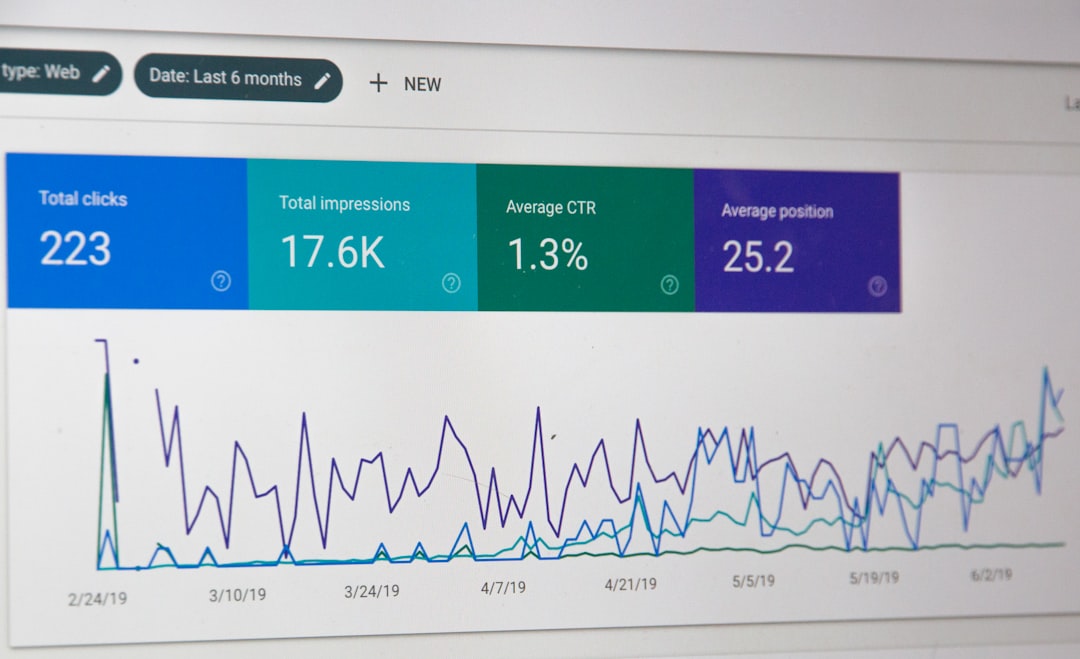
Look for pages that receive impressions but low clicks, rank on page two, or have outdated information. You can update headings, strengthen the introduction, add missing subtopics, improve internal links, and refine keyword placement. Sometimes a thoughtful refresh can produce better results than publishing something new.

Track Results and Adjust
After publishing, monitor how your content performs. Pay attention to rankings, organic traffic, click-through rates, bounce rate, and conversions. These metrics reveal whether your keyword strategy is attracting the right audience.
If a post ranks for unexpected keywords, consider expanding the content to better serve those searches. If it gets impressions but few clicks, improve the title and meta description. SEO is an ongoing process of testing, learning, and refining.
Final Thoughts
Using keywords in blogs is about balance. You want to be clear enough for search engines to understand your topic, but natural enough for readers to enjoy the content. Focus on intent, choose a strong primary keyword, include related terms, and place keywords where they genuinely help. When your blog posts are useful, organized, and written with the reader in mind, keyword optimization becomes less of a formula and more of a smart communication strategy.