Interior design in 2026 is defined by comfort, personality, sustainability, and flexible living. Rather than following one strict formula, homeowners and designers are increasingly blending influences from nature, technology, nostalgia, and global craftsmanship to create spaces that feel both stylish and deeply personal.
TLDR: The most popular interior design styles in 2026 include soft minimalism, organic modern, quiet luxury, warm maximalism, and biophilic design. Interiors are moving away from cold, overly perfect spaces and toward rooms that feel lived in, layered, calming, and sustainable. Natural materials, earthy colors, smart home features, vintage pieces, and expressive decor are shaping the most desirable homes of the year.
1. Soft Minimalism
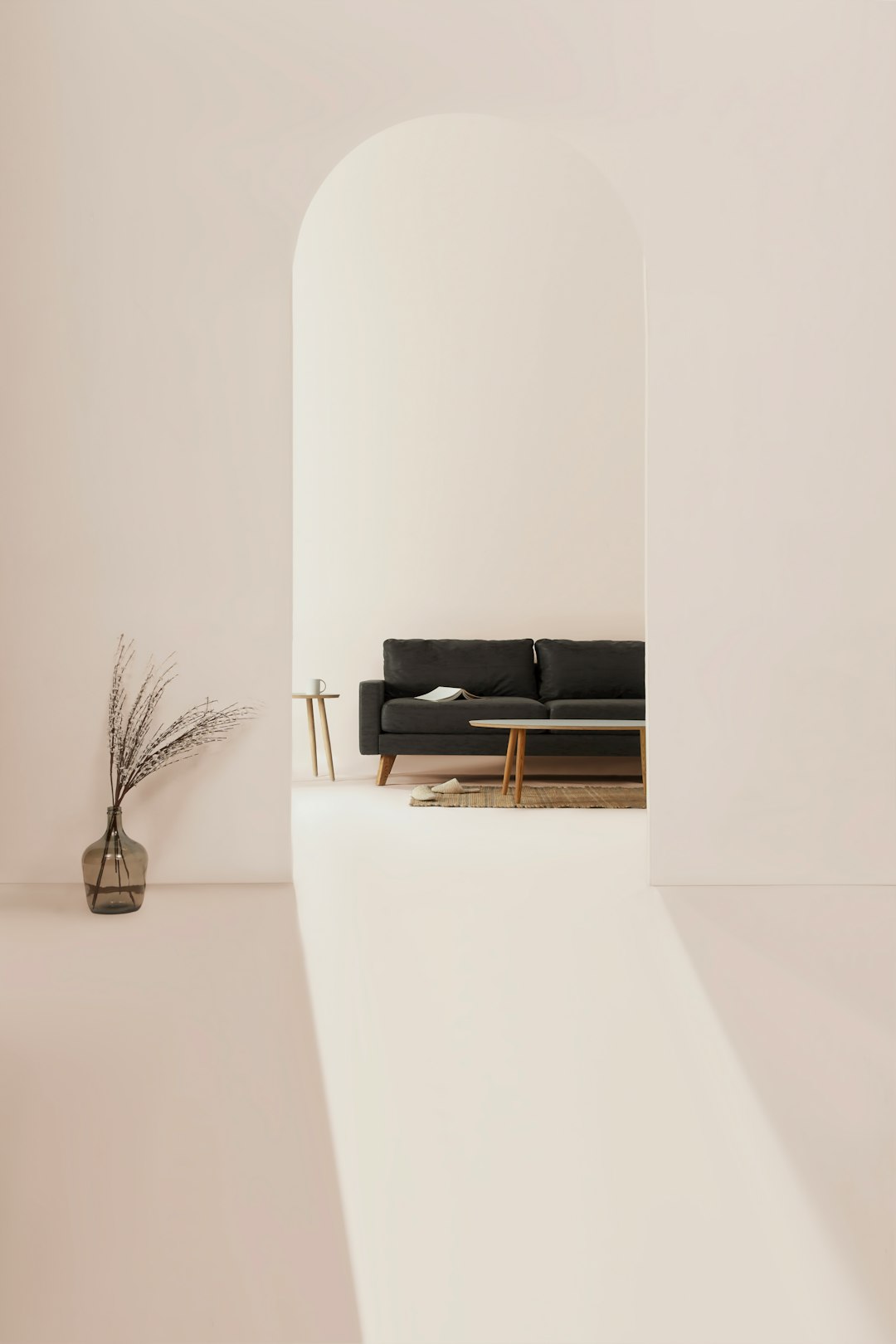
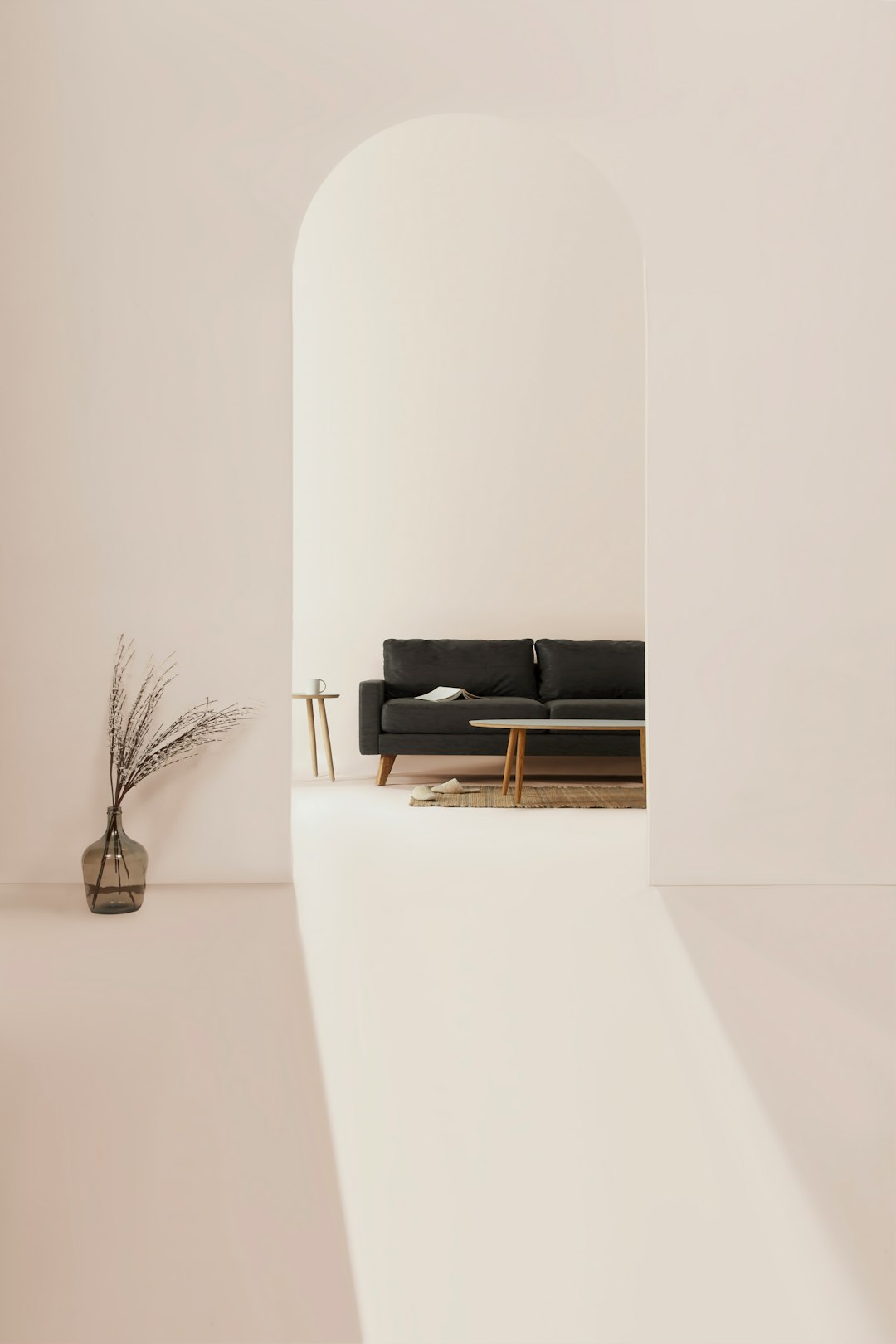
Soft minimalism remains one of the most popular interior design styles in 2026 because it offers the calm of minimalism without feeling empty or severe. Instead of stark white rooms and sharp lines, this style uses warm neutrals, rounded furniture, subtle textures, and carefully chosen decor.
Designers often describe soft minimalism as a more human version of modern minimalism. It allows a home to feel organized and peaceful while still having warmth and comfort. Common elements include low-profile sofas, pale oak furniture, linen curtains, wool rugs, ceramic vases, and hidden storage.
- Popular colors: warm white, oatmeal, greige, sand, mushroom, soft taupe
- Key materials: linen, oak, plaster, boucle, wool, matte ceramic
- Best for: apartments, open-plan homes, bedrooms, and calm living spaces
2. Organic Modern
Organic modern continues to dominate interiors in 2026, especially among homeowners who want a contemporary look that still feels connected to nature. It combines clean architectural lines with natural textures, irregular shapes, and earthy colors.
This style often features stone coffee tables, sculptural wooden furniture, clay-colored textiles, and large windows that bring in daylight. Unlike traditional modern interiors, organic modern spaces avoid anything too glossy or artificial. The appeal lies in its balance: sleek but not cold, natural but not rustic.
In 2026, organic modern design is also becoming more sustainable. Reclaimed wood, limewash walls, natural stone, bamboo, cork, and low-impact fabrics are increasingly popular choices. The result is a home that feels grounded, elegant, and timeless.
3. Quiet Luxury
Quiet luxury is still one of the most influential interior design trends in 2026. It is not about obvious wealth or flashy decor. Instead, it focuses on craftsmanship, quality materials, refined details, and a restrained color palette.
In a quiet luxury interior, every piece looks intentional. A room may include a tailored sofa, custom built-in cabinetry, marble accents, handcrafted lighting, thick curtains, and beautifully finished wood floors. The design feels expensive, but never loud.
This style appeals to those who prefer interiors that age well. Rather than following fast-changing trends, quiet luxury favors timeless silhouettes, excellent materials, and a sense of calm sophistication.
- Signature features: custom millwork, natural stone, layered lighting, premium textiles
- Typical mood: elegant, serene, polished, understated
- Common rooms: primary bedrooms, formal living rooms, dining rooms, luxury apartments
4. Warm Maximalism
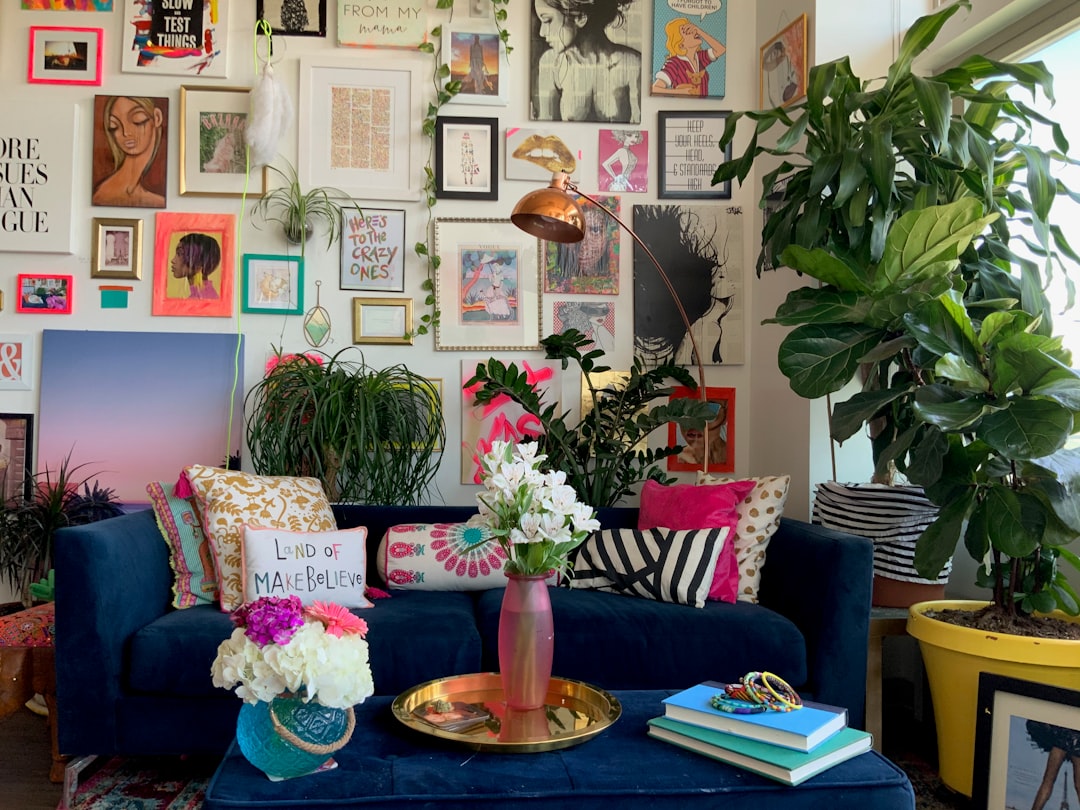
While minimal styles remain popular, warm maximalism is gaining major attention in 2026. This style celebrates color, pattern, collected objects, and expressive personality. However, it is not chaotic. The best warm maximalist interiors are layered with intention.
Instead of bare surfaces and matching furniture sets, warm maximalism embraces gallery walls, patterned upholstery, vintage lighting, bold rugs, books, plants, ceramics, and meaningful art. It allows a home to tell a story about the people who live there.
The 2026 version of maximalism is warmer and more curated than past versions. Deep burgundy, olive green, chocolate brown, mustard, terracotta, and inky blue are especially popular. These colors create richness without overwhelming the space.
5. Biophilic Design
Biophilic design is more than a visual trend in 2026; it reflects a broader desire for healthier, more restorative homes. This style is based on the connection between humans and nature, using natural light, plants, organic materials, airflow, and nature-inspired forms to improve well-being.
Biophilic interiors often include indoor trees, living walls, stone surfaces, water features, wood finishes, botanical prints, and views of gardens or courtyards. Even small homes can incorporate this style through houseplants, natural fiber rugs, daylight-friendly layouts, and earthy palettes.
Designers are also paying greater attention to wellness features, such as non-toxic paints, improved ventilation, circadian lighting, and acoustic comfort. In 2026, a beautiful home is expected to support both physical and emotional health.
6. Japandi 2.0
Japandi, the blend of Japanese and Scandinavian design, remains popular in 2026, but it has evolved. The newer version, often called Japandi 2.0, is warmer, more textured, and less rigid than earlier interpretations.
This style still values simplicity, function, and natural beauty. However, it now includes richer woods, handmade objects, deeper neutral colors, and imperfect finishes. The Japanese concept of wabi sabi, which appreciates imperfection and age, remains central to the look.
Typical Japandi 2.0 interiors include low wooden furniture, paper lantern lighting, woven storage, neutral textiles, ceramic tableware, and uncluttered layouts. It is especially popular in bedrooms, bathrooms, and meditation spaces because of its peaceful atmosphere.
7. Retro Futurism
Retro futurism is one of the more playful interior design styles rising in 2026. It blends nostalgic references from the 1960s, 1970s, and early 2000s with futuristic shapes, smart lighting, and contemporary materials.
This style often includes curved furniture, chrome finishes, modular seating, glossy accents, colored glass, mushroom lamps, and bold statement pieces. It feels optimistic and energetic, making it popular among younger homeowners and renters who want interiors with character.
In 2026, retro futurism is less about recreating the past exactly and more about reimagining it. A room might pair a vintage-inspired orange chair with a sleek glass table, voice-controlled lighting, and metallic accessories. The look is fun, confident, and slightly unexpected.
8. Modern Mediterranean
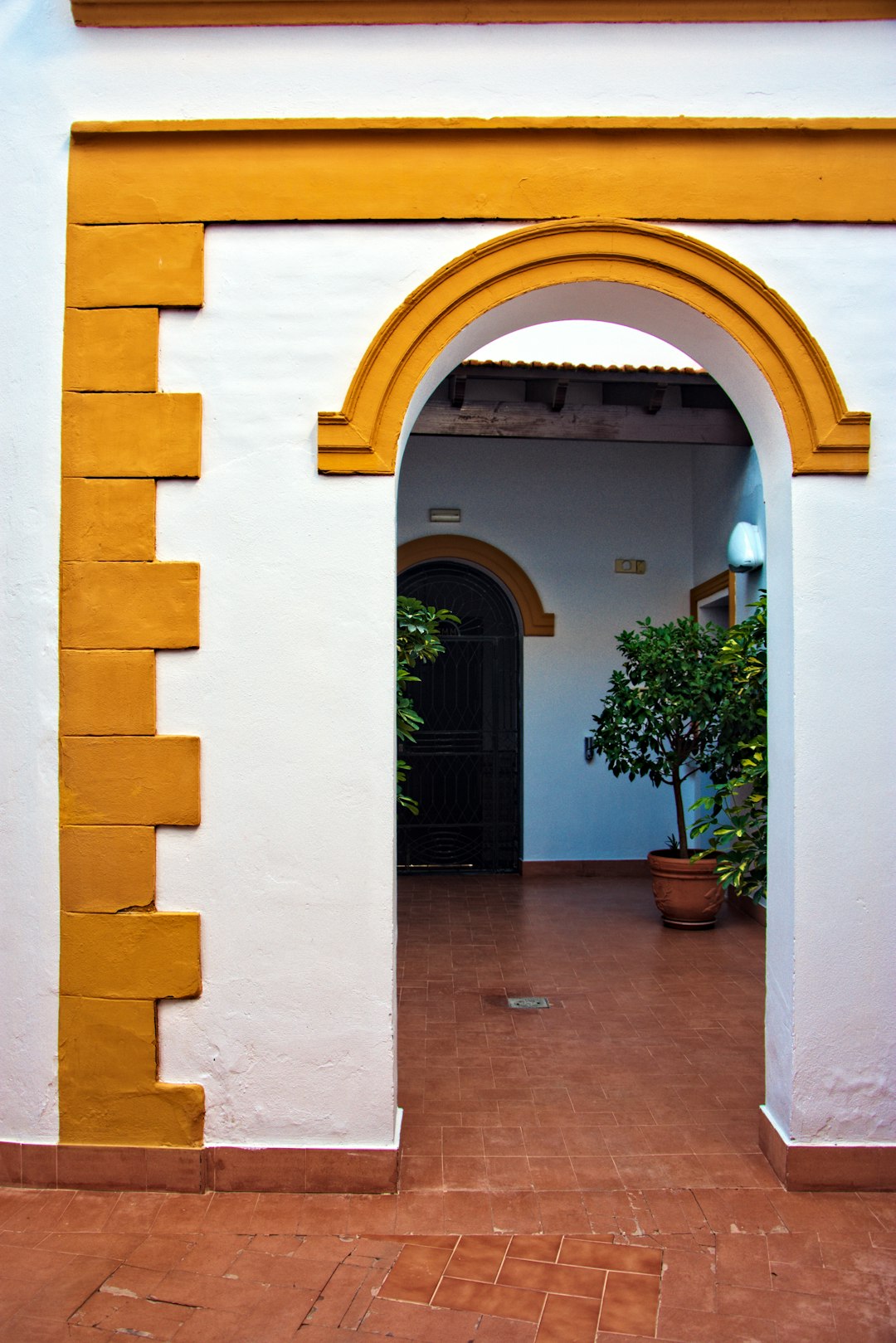
Modern Mediterranean design is another major favorite in 2026. Inspired by homes in Greece, Italy, Spain, and the south of France, this style uses sun-washed colors, arched forms, textured walls, natural stone, and relaxed furniture.
Unlike traditional Mediterranean design, which can be ornate, the modern version is cleaner and lighter. It often features white or cream plaster walls, terracotta tile, linen upholstery, black iron accents, rustic wood beams, and sculptural decor.
This style is especially popular because it feels like a permanent vacation. It works well in warm climates, but it can also bring softness and warmth to city apartments and suburban homes.
9. Sustainable Eclectic
In 2026, many interiors are becoming more environmentally conscious, and sustainable eclectic design reflects that shift. This style combines secondhand furniture, locally made pieces, recycled materials, vintage decor, and personal collections.
Rather than buying everything new, homeowners are increasingly mixing inherited furniture, antique market finds, and modern sustainable products. The result is a layered interior that looks unique rather than showroom-perfect.
Sustainable eclectic design also supports slower consumption. It values repair, reuse, and quality over disposable trends. A vintage wooden table, reupholstered chairs, handmade cushions, and reclaimed shelving can make a room feel both stylish and responsible.
10. Tech Integrated Contemporary
Tech integrated contemporary design is growing in 2026 as smart homes become more common. However, the newest approach hides technology rather than putting it on display. The focus is on seamless function, clean design, and comfort.
Popular features include invisible speakers, automated blinds, smart glass, app-controlled lighting, climate zones, hidden charging drawers, and furniture designed for hybrid work. The goal is to make daily life easier without making a home look like a showroom for gadgets.
This style often overlaps with soft minimalism and quiet luxury. Rooms are streamlined, but they include practical technology that supports relaxation, entertainment, security, and energy efficiency.
Color Trends Influencing 2026 Interiors
Across nearly all popular interior design styles in 2026, color is becoming warmer and more emotionally comforting. Cool gray is no longer the default neutral. Instead, designers are using colors that feel earthy, rich, and soothing.
- Earth tones: clay, rust, ochre, olive, sand, espresso
- Soft neutrals: cream, taupe, warm white, stone, beige
- Moody accents: burgundy, forest green, navy, plum, charcoal
- Natural pastels: muted peach, dusty blue, sage, pale butter yellow
These colors support the larger movement toward interiors that feel safe, personal, and grounded.
Materials and Finishes Defining the Year
The most popular materials in 2026 are tactile and natural. Homeowners want to feel texture in their spaces, whether it comes from a nubby fabric, honed stone, handmade tile, or brushed wood grain.
Matte finishes are preferred over high-gloss surfaces, while natural imperfections are increasingly celebrated. Travertine, oak, walnut, cork, rattan, wool, limewash, clay, and recycled glass are all widely used. These materials help interiors feel warmer and more authentic.
Why Personalization Matters Most
The biggest interior design shift in 2026 is not a single style, but the freedom to mix styles. A home might combine organic modern furniture, quiet luxury finishes, vintage art, and biophilic details. Designers are encouraging clients to move away from copying identical inspiration images and toward building spaces that reflect real lifestyles.
This means the most successful interiors in 2026 are not simply fashionable. They are functional, expressive, comfortable, and meaningful. Whether a person prefers minimalist calm or colorful maximalism, the goal is to create a home that supports daily life and feels emotionally connected to its owner.
FAQ
What is the most popular interior design style in 2026?
Soft minimalism and organic modern are among the most popular styles in 2026. Both offer calm, warmth, and timeless appeal while using natural materials and comfortable forms.
Is farmhouse style still popular in 2026?
Traditional farmhouse style is less dominant, but warmer rustic elements still appear in modern homes. Reclaimed wood, vintage furniture, and handmade details are often blended into organic modern, sustainable eclectic, or modern Mediterranean interiors.
What colors are trending in 2026 interior design?
Warm neutrals, earthy greens, terracotta, chocolate brown, burgundy, muted yellow, and soft stone shades are especially popular. Cool gray and stark white are used less often than in previous years.
Is maximalism coming back?
Yes, but in a more curated form. Warm maximalism uses rich colors, meaningful art, vintage objects, and layered patterns while still maintaining balance and comfort.
How can a home look current without a full renovation?
A home can feel updated with new textiles, warmer lighting, natural materials, indoor plants, vintage accents, and a more cohesive color palette. Small changes such as replacing hardware, adding textured curtains, or repainting a room can make a significant difference.
Which interior design style is best for small spaces?
Soft minimalism, Japandi 2.0, and tech integrated contemporary are excellent for small spaces because they prioritize function, storage, simplicity, and visual calm.