Sales calls are changing because businesses are no longer limited to human-only outreach teams. Outbound AI voice agents can now call prospects, qualify leads, confirm interest, schedule meetings, and update CRM records with a level of speed and consistency that traditional call operations often struggle to match. While the technology is not a replacement for every human conversation, it is becoming a serious tool for sales teams that want to improve coverage, reduce repetitive work, and focus human representatives on higher-value interactions.
TLDR: Outbound AI voice agents are helping sales teams make more calls, qualify leads faster, and reduce time spent on routine outreach. For example, a B2B software company that previously reached 400 leads per week with human callers might use AI agents to contact 2,000 leads, identify the 12% who show real buying intent, and route only those prospects to account executives. The biggest benefits are scale, consistency, and better use of sales talent, but success depends on compliance, data quality, and thoughtful human oversight.
What outbound AI voice agents actually do
An outbound AI voice agent is a software-based calling system that can hold spoken conversations with prospects. It uses speech recognition to understand what a person says, natural language processing to interpret meaning, and voice generation to respond in a realistic and conversational way. In a sales environment, these agents are commonly used for lead qualification, appointment setting, reactivation campaigns, customer follow-ups, and event reminders.
Unlike older robocall systems, modern AI voice agents are designed to manage dynamic conversations. They can answer basic questions, respond to objections, confirm details, and decide when a prospect should be transferred to a human sales representative. This makes them more useful than simple prerecorded messages, though they still require careful scripting, monitoring, and boundaries.

Why sales teams are adopting them
The main reason companies invest in outbound AI voice agents is simple: sales teams are under pressure to do more with less. Human representatives often spend a large part of their week leaving voicemails, chasing unresponsive leads, confirming availability, or asking the same qualification questions. These tasks are important, but they are also repetitive and time-consuming.
AI voice agents can handle these front-end tasks at scale. A human sales development representative may make 60 to 100 calls in a day, depending on call length and workflow. An AI system can manage hundreds or thousands of calls in the same period, while keeping the message consistent and recording outcomes automatically. That does not mean every call becomes successful, but it does mean more leads are reached and sorted more quickly.
- Higher call volume: AI agents can contact large lead lists without waiting for additional hiring.
- Consistent messaging: Every prospect receives the same core value proposition and qualification flow.
- Faster lead routing: Interested prospects can be sent to human reps in near real time.
- Reduced administrative work: Call summaries, tags, and next steps can be pushed into CRM systems automatically.
How AI changes the role of human sales representatives
One of the most important points to understand is that AI voice agents are not simply “digital salespeople.” In many organizations, their best role is to act as a filter and accelerator. They remove low-value friction from the sales process so human representatives can spend more time on conversations that require judgment, empathy, negotiation, and expertise.
For example, an AI agent might call a list of inbound leads who downloaded a white paper. It can ask whether the person is currently evaluating solutions, what timeline they have, and whether they are the right contact. If the prospect shows strong intent, the AI can schedule a meeting directly on a sales representative’s calendar. If the prospect is not ready, the system can mark the lead for nurturing instead of letting it sit untouched.
This changes the human role from broad outreach to focused selling. Account executives receive better-prepared prospects, while sales development teams can spend more time managing complex accounts, refining messaging, and handling conversations where human credibility matters most.
The importance of data and system integration
Outbound AI voice agents are only as effective as the data and systems behind them. A well-built campaign uses clean contact lists, accurate segmentation, compliant consent records, and clear CRM workflows. Poor data can lead to awkward calls, wrong personalization, duplicate outreach, or contact with people who should not be called.
Integration with CRM and sales engagement platforms is especially important. When an AI agent completes a call, it should be able to log the result, update lead status, summarize the conversation, and trigger the correct next action. Without this connection, sales teams may gain call volume but lose operational clarity.
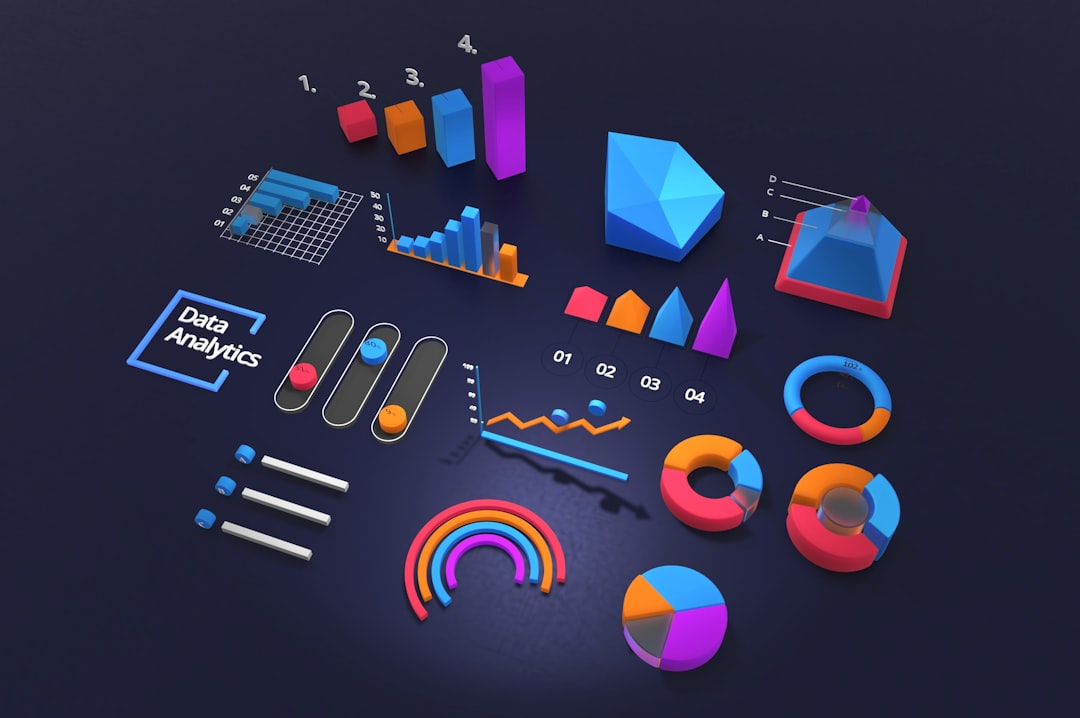
Analytics also help managers understand what is working. Teams can evaluate connection rates, qualification rates, objections, average call duration, booked meetings, and conversion from AI-qualified lead to closed opportunity. These numbers provide a more reliable basis for decisions than intuition alone.
Benefits that go beyond call volume
Although scale is the most obvious advantage, the value of outbound AI voice agents often extends further. They can help companies test messaging quickly by running controlled variations of scripts and measuring which version produces more positive responses. They can also support multilingual outreach, after-hours calling where legally permitted, and rapid follow-up after events or inquiries.
Speed is particularly important. Research across many sales environments has shown that contacting a lead quickly after they express interest can significantly improve conversion. If a prospect submits a form and receives a relevant call within minutes, the company has a better chance of reaching them while the need is still active. AI agents make this kind of responsiveness easier to maintain, even when human teams are busy.
Another benefit is resilience. During seasonal demand, product launches, or large marketing campaigns, companies often experience sudden spikes in lead volume. Hiring and training temporary callers can be expensive and slow. AI voice agents allow teams to expand outreach capacity quickly while keeping human staff focused on the most valuable opportunities.
Risks and limitations to take seriously
Despite the benefits, outbound AI voice agents must be deployed responsibly. Sales calls are sensitive because they involve trust, privacy, and sometimes regulatory requirements. Companies need to understand rules around consent, call recording, do-not-call lists, disclosure, and industry-specific restrictions. A technically impressive AI campaign can still damage a brand if it feels intrusive or noncompliant.
There is also the risk of poor customer experience. If an AI voice sounds unnatural, interrupts too often, fails to understand common responses, or cannot handle basic questions, prospects may feel frustrated. This is why businesses should test campaigns carefully before scaling them. They should also make it easy for prospects to reach a human or opt out.
- Transparency: Businesses should consider when and how to disclose that a prospect is speaking with an AI system.
- Escalation: The agent should know when to transfer or schedule a human follow-up.
- Compliance: Calling rules must be reviewed for each market and campaign type.
- Quality control: Call recordings and summaries should be audited regularly.
What a practical implementation looks like
A serious implementation usually starts with a narrow use case rather than a full sales replacement strategy. For instance, a company might begin by using AI voice agents to qualify trial users who have not yet booked a demo. The campaign could include a short call script, three qualifying questions, a calendar booking option, and a fallback to human review when the conversation becomes complex.
After the pilot, the sales team can compare results against previous manual outreach. Useful metrics might include cost per qualified meeting, percentage of leads reached, meeting attendance rate, and revenue generated from AI-assisted opportunities. If the numbers are strong and the customer experience is acceptable, the company can expand to new segments or campaigns.

The best results usually come when sales, marketing, legal, and operations teams work together. Sales defines what a qualified conversation looks like. Marketing provides segmentation and messaging. Legal reviews compliance requirements. Operations ensures that data flows correctly between systems. This cross-functional approach helps prevent AI from becoming an isolated tool that creates more complexity than value.
The future of sales calls
Outbound AI voice agents are likely to become a standard part of modern sales operations, especially in industries with large lead volumes and repeatable qualification processes. As voice quality improves and integrations become more advanced, these systems will handle more routine conversations with increasing reliability.
However, the future of sales will not be purely automated. Complex buying decisions still depend on trust, insight, and human relationships. The most successful companies will use AI to improve timing, prioritization, and efficiency while preserving human involvement where it matters most.
In practical terms, outbound AI voice agents are changing sales calls by moving routine outreach from manual labor to intelligent automation. They help teams reach more prospects, identify serious buyers faster, and give human sellers more time for meaningful conversations. Used carefully, they can become a powerful advantage; used carelessly, they can create compliance risks and damage customer trust. The difference lies not in the technology alone, but in how thoughtfully it is applied.