Compensation is often one of the largest expenses on a company’s books, yet many organizations still manage it with disconnected spreadsheets, manual approvals, and last-minute budget adjustments. As workforces become more distributed, pay expectations shift, and leadership teams demand sharper financial visibility, compensation planning software has become essential for building fair, competitive, and financially responsible pay strategies.
TLDR: The best compensation planning software should help organizations budget accurately, forecast future pay costs, and model different workforce scenarios before decisions are finalized. Must-have features include real-time budget tracking, merit increase modeling, bonus forecasting, pay equity analysis, approval workflows, and integrations with HRIS and finance systems. With the right platform, companies can make compensation decisions that are data-driven, compliant, fair, and aligned with business goals.
Why Budgeting and Forecasting Matter in Compensation Planning
Compensation planning is not just about deciding who gets a raise. It is a complex process that connects finance, HR, leadership, compliance, and employee experience. Every salary increase, promotion, bonus, commission, and equity grant affects the company’s budget and its ability to retain talent.
Without reliable forecasting, organizations risk overspending, underpaying key employees, creating internal inequities, or making reactive pay decisions. Effective software gives decision-makers a clear view of current payroll costs and future compensation commitments, helping them answer questions such as:
- How much will next year’s merit cycle cost?
- Can we afford planned promotions and market adjustments?
- What happens if bonus payouts exceed expectations?
- Are compensation decisions aligned with department budgets?
- Will pay changes create or reduce equity gaps?
In short, compensation planning software turns pay decisions from an annual administrative scramble into a strategic, measurable process.
1. Real-Time Budget Tracking
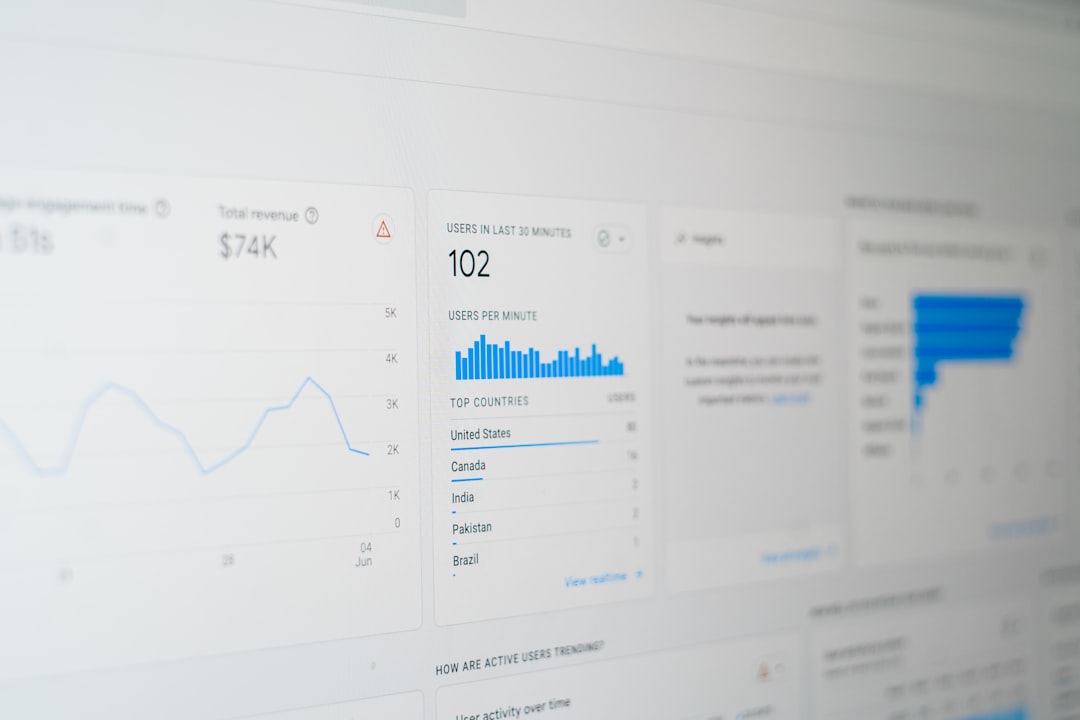
One of the most important features of any compensation planning solution is real-time budget visibility. Managers and HR teams need to see how proposed salary increases, bonuses, and adjustments affect total spend as decisions are being made.
Instead of waiting for finance to reconcile spreadsheets, users should be able to view budget utilization instantly. A strong platform displays allocated budget, used budget, remaining budget, and over-budget warnings by department, location, business unit, or manager.
This feature is especially valuable during annual compensation cycles. If a manager tries to recommend raises that exceed their assigned pool, the system should flag it immediately. That simple alert can prevent costly errors and reduce back-and-forth between HR, finance, and leadership.
2. Scenario Modeling and What-If Forecasting
Compensation decisions often involve uncertainty. What if the company increases its merit budget from 3% to 4%? What if hiring slows in the second half of the year? What if market adjustments are needed for engineering roles? Scenario modeling allows teams to test these possibilities before committing to them.
Good compensation planning software should let users create multiple versions of a plan, compare financial outcomes, and evaluate trade-offs. For example, HR might model one scenario focused on retention for high performers, another focused on market competitiveness, and a third designed to minimize total cost.
What-if forecasting makes the planning process more proactive. Instead of reacting to budget constraints after recommendations are submitted, organizations can define realistic strategies earlier and communicate clearer guidelines to managers.
3. Merit Increase Planning
Merit increases are a core part of compensation planning, but they can be difficult to manage fairly. The software should support merit matrices that combine factors such as performance ratings, salary range position, tenure, and promotion eligibility.
For example, an employee who is a top performer and paid below the midpoint of their salary range might receive a higher recommended increase than an employee who is already paid above market. These rules help organizations make consistent decisions while still giving managers room to apply judgment.
Look for features such as:
- Configurable merit guidelines
- Performance rating integration
- Salary range and compa ratio calculations
- Automated increase recommendations
- Exception tracking for increases outside policy
These capabilities reduce bias, improve consistency, and help ensure that compensation budgets are used where they have the greatest impact.
4. Bonus and Incentive Forecasting
Base pay is only one part of total compensation. For many organizations, bonuses, sales commissions, profit-sharing, and other incentives represent a significant expense. Compensation planning software should include robust tools for bonus and incentive forecasting.
The system should allow teams to model bonus payouts based on individual performance, company performance, target bonus percentages, eligibility rules, and funding levels. It should also help finance teams estimate best-case, expected, and worst-case payout scenarios.
This is particularly important for companies with variable compensation plans. If revenue exceeds expectations, incentive payouts may rise sharply. If performance falls short, leaders need to understand how reduced payouts may affect employee morale and retention. Forecasting tools help balance financial discipline with employee motivation.

5. Headcount and Workforce Cost Planning
Compensation budgets are deeply connected to headcount planning. A company planning to hire 100 new employees next year needs to forecast salary costs, benefits load, taxes, bonuses, and potential equity grants. A strong compensation platform should connect pay planning with workforce cost forecasting.
This feature helps organizations understand the full cost of adding, moving, or reducing roles. Finance and HR teams should be able to model planned hires, vacancies, promotions, transfers, and terminations. Ideally, the software should show how each workforce change affects budget at monthly, quarterly, and annual levels.
For growing companies, this is critical. Hiring plans can change quickly, and compensation software should make it easy to update assumptions without rebuilding the entire budget from scratch.
6. Pay Equity and Compliance Analytics
Modern compensation planning must account for fairness and legal compliance. Pay equity analysis is no longer a “nice to have”; it is a must-have feature for organizations that want to reduce risk and build trust with employees.
Compensation planning software should identify potential pay gaps by gender, ethnicity, location, role, level, tenure, and other relevant factors. It should also help HR teams understand whether proposed increases will improve or worsen existing disparities.
Strong platforms provide:
- Pay equity dashboards
- Outlier detection
- Salary range compliance checks
- Audit trails for compensation decisions
- Reporting support for pay transparency regulations
With more regions introducing pay transparency and reporting requirements, companies need software that helps them document decisions clearly and consistently.
7. Approval Workflows and Role-Based Access
Compensation planning involves sensitive employee and financial data. The software must include secure, configurable approval workflows that match the organization’s decision-making structure.
For example, a manager may submit recommendations, a department head may review them, HR may validate policy compliance, and finance may approve the final budget. The platform should route tasks automatically, show status updates, and maintain a clear record of who approved what and when.
Role-based access is equally important. A frontline manager should only see compensation data for their team, while HR and finance may need broader visibility. Proper access controls protect confidentiality and reduce the risk of accidental data exposure.
8. Integration with HRIS, Payroll, and Finance Systems
Even the best compensation planning tool loses value if it operates in isolation. Seamless integration with HRIS, payroll, performance management, and finance systems ensures that data is accurate, current, and easy to use.
Key integrations may include:
- Employee records and job data from the HRIS
- Performance ratings from performance management tools
- Payroll data for current salary and bonus history
- Budget data from financial planning systems
- Organizational hierarchy and manager assignments
These integrations eliminate duplicate data entry and reduce errors. They also help create a single source of truth for compensation decisions.
9. Clear Reporting and Executive Dashboards
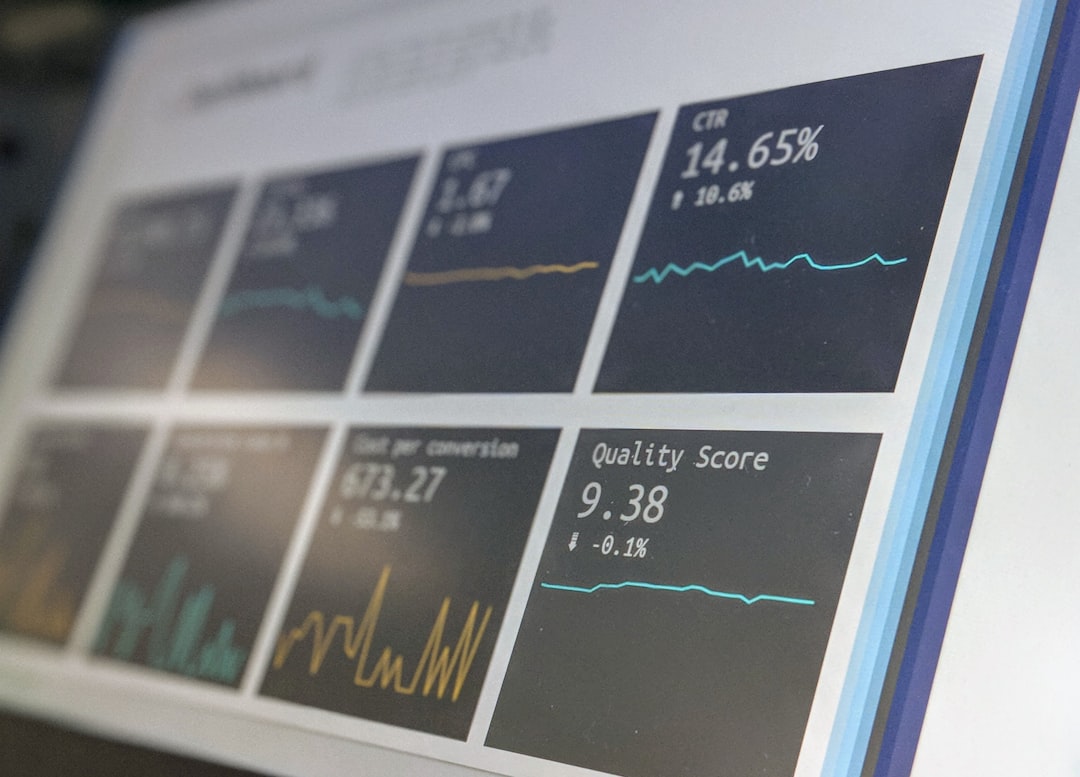
Executives need concise, reliable insights. Compensation planning software should provide dashboards that summarize total spend, budget variance, pay equity indicators, compensation changes, and forecasted costs.
Reports should be easy to customize and export, but they should also be visually clear enough for leadership discussions. The best dashboards help answer strategic questions quickly: Are we staying within budget? Are we rewarding top performers? Are we competitive in critical roles? Are compensation decisions supporting retention?
Choosing Software That Supports Better Decisions
The right compensation planning software does more than automate an annual process. It helps companies make smarter decisions about people, money, and long-term growth. Budgeting and forecasting features are especially important because they connect employee rewards with financial reality.
When evaluating platforms, organizations should look for tools that combine accuracy, flexibility, security, and usability. A system may have advanced analytics, but if managers find it confusing, adoption will suffer. Likewise, a simple tool may be easy to use but insufficient for complex planning needs.
Ultimately, compensation planning software should help organizations answer a difficult question with confidence: How can we reward employees fairly while staying financially responsible? With real-time budgets, forecasting tools, pay equity analytics, and integrated workflows, companies can build compensation plans that are not only affordable, but also transparent, competitive, and strategically aligned.