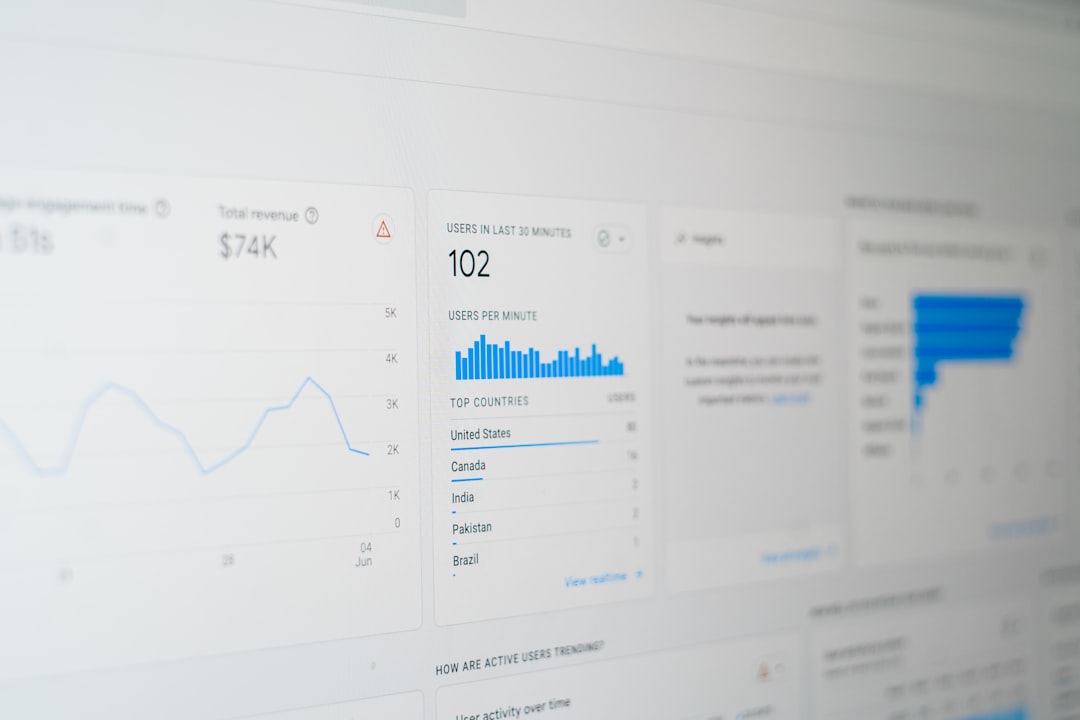
Modern law firms are expected to deliver precise legal work while also managing deadlines, billing, client communication, documents, and profitability. Amberlo.io supports this operational reality by bringing core legal practice management functions into one cloud-based environment, with a strong focus on analytics, dashboards, and automation. For firms that want better visibility into performance and less dependence on manual administration, these features can become a practical foundation for more disciplined management.
TLDR: Amberlo.io helps law firms monitor matters, billing, tasks, and financial performance through centralized dashboards and reporting tools. For example, a 12-lawyer firm that reduces manual time entry follow-ups by 30% and improves invoice preparation speed by 25% can recover more billable value each month. Its automation features support repeatable workflows, while analytics help partners make decisions based on real data rather than assumptions.
Why Analytics Matter in Legal Practice Management
Legal practice has always relied on expertise, judgment, and trust. However, the business side of a law firm also requires measurable insight. Partners need to know which matters are profitable, where time is being lost, which invoices remain unpaid, and whether the team is working at capacity. Without analytics, these questions are often answered through spreadsheets, fragmented reports, or informal conversations.
Amberlo.io’s analytics capabilities are designed to make firm performance easier to understand. Instead of looking at isolated pieces of data, firms can review information across clients, matters, tasks, activities, billing, and payments. This helps decision-makers identify trends before they become problems. For example, if a particular type of matter consistently generates write-offs, the firm can review pricing, staffing, or workflow assumptions.
Analytics also support accountability. When lawyers and administrative teams can see deadlines, billable activity, and matter progress clearly, there is less room for missed tasks or delayed billing. This does not mean replacing professional judgment with numbers. Rather, it means giving professionals a reliable factual basis for better decisions.

Centralized Dashboards for Daily Visibility
A key feature of Amberlo.io is the ability to present important operational information through dashboards. In a busy legal environment, dashboards serve as a practical control center. They help users quickly understand what requires attention today, this week, or this month.
Dashboards may include information such as:
- Upcoming deadlines and important calendar events;
- Open tasks assigned to lawyers, paralegals, or administrative staff;
- Active matters and their current status;
- Time entries, billable hours, and missing time records;
- Invoices, outstanding balances, and payment tracking;
- Client and contact activity linked to specific matters.
This kind of visibility is particularly valuable for partners and practice managers. Instead of waiting for a monthly report, they can quickly review live information and address issues earlier. If billing activity is lower than expected halfway through the month, the firm can investigate immediately. If certain team members are overloaded while others have capacity, work can be redistributed more effectively.
For individual lawyers, dashboards can reduce cognitive load. A lawyer handling several matters at once needs a clear view of priorities. By consolidating tasks, deadlines, and matter information, Amberlo.io helps reduce the risk of relying on memory or disconnected notes.
Automation That Reduces Administrative Burden
Automation is one of the most important advantages of modern legal practice management software. Law firms often lose significant time to repetitive administrative processes: creating standard tasks, preparing invoices, sending reminders, updating matter details, or searching for documents. Amberlo.io helps streamline these tasks so that legal teams can focus more attention on substantive legal work.
Automation can support several common workflows, including:
- Matter setup: Standard information, task lists, and templates can help new matters begin in a consistent way.
- Task management: Teams can create repeatable processes for common case types or client engagements.
- Time and billing workflows: Time entries and invoice preparation can be managed more efficiently, reducing delays between work performed and revenue collected.
- Notifications and reminders: Important deadlines, unpaid invoices, or incomplete tasks can be brought to users’ attention automatically.
- Document organization: Matter-related materials can be stored and accessed in a structured environment.
Reliable automation does not mean removing human review. In legal work, oversight is essential. The value lies in ensuring that routine steps are not forgotten and that staff do not need to recreate the same administrative process repeatedly. For firms with standardized services, such as debt recovery, corporate maintenance, immigration filings, or litigation support, automation can create meaningful efficiency gains.

Financial Insight and Billing Control
Financial management is one of the areas where dashboards and analytics can have an immediate effect. Many firms struggle not because they lack clients, but because they lack timely visibility into work in progress, unbilled time, overdue invoices, and profitability by matter.
Amberlo.io supports billing and financial tracking by connecting matter activity with time records, invoices, and payments. This helps firms answer practical questions such as: How much billable work has been recorded this month? Which clients have overdue balances? Which matters contain significant unbilled time? Are fixed-fee matters being completed within expected time limits?
Consider a firm that records 1,200 billable hours per month but regularly leaves 8% of time unbilled due to late entries or write-offs. That represents 96 hours of lost or delayed billing visibility. With better dashboards, time tracking discipline, and invoice workflows, the firm can identify these gaps sooner and take corrective action. Even a modest improvement can have a noticeable financial impact over a year.
Better Matter Management Through Data
Effective matter management requires more than storing case names and client details. A well-managed matter includes deadlines, responsible team members, documents, communication history, tasks, financial information, and status updates. Amberlo.io brings these elements together so that matter data becomes easier to manage and evaluate.
From a management perspective, this creates a more complete operational picture. If a matter is delayed, the firm can review the responsible tasks and upcoming deadlines. If a client questions an invoice, time entries and matter activity can be reviewed in context. If a lawyer leaves the firm or is unavailable, another team member can more quickly understand the status of the matter.
This centralized approach also supports consistency. Law firms often develop quality issues when each lawyer uses a different system for tracking tasks, storing documents, or communicating updates. A structured platform helps create shared standards across the practice.
Practical Benefits for Different Roles
Amberlo.io’s analytics, dashboards, and automation features are useful because they support different roles within the firm:
- Managing partners can review financial performance, workload, and matter profitability.
- Practice group leaders can monitor team capacity, deadlines, and productivity.
- Lawyers can manage tasks, time entries, documents, and client matters in one place.
- Paralegals can follow structured workflows and track matter progress more easily.
- Finance teams can improve billing accuracy, monitor receivables, and reduce invoice preparation delays.

Trust, Security, and Professional Control
For legal professionals, software must support confidentiality, reliability, and professional responsibility. A practice management platform should not be viewed merely as a convenience tool; it becomes part of the firm’s operational infrastructure. Therefore, firms evaluating Amberlo.io should consider how its cloud-based features align with their internal policies on access control, data protection, client confidentiality, and regulatory obligations.
Equally important is adoption. Dashboards and automation only create value when lawyers and staff use them consistently. Firms should define clear internal procedures for time entry, task management, matter updates, and billing review. The technology provides the structure, but leadership must establish expectations and accountability.
Conclusion
Amberlo.io offers a serious and practical approach to legal practice management by combining analytics, dashboards, and automation in a unified platform. Its value lies in helping firms move from reactive administration to proactive management. With clearer data, more consistent workflows, and better visibility into financial and operational performance, law firms can strengthen both client service and business discipline.
For firms that want to reduce administrative friction, improve billing control, and make decisions based on reliable information, Amberlo.io’s feature set deserves careful consideration. In a competitive legal market, the ability to understand and manage the practice with precision is not only useful; it is increasingly essential.