Facebook photo frames remain a practical way to create recognizable, shareable visuals for events, public campaigns, community activities, and personal celebrations. Whether used as an overlay for profile pictures, event albums, story graphics, or promotional posts, a well-designed frame can help people show participation while reinforcing a clear message. The strongest designs are not merely decorative; they are planned with purpose, readability, audience trust, and platform usability in mind.
TLDR: A strong FB photo frame should be visually simple, easy to read, and clearly connected to the event, campaign, or celebration it represents. Use consistent colors, legible typography, balanced spacing, and only the most important message or branding. For public campaigns, prioritize credibility and accessibility; for celebrations, focus on warmth and emotional appeal. Always test the frame on different profile photos and screen sizes before publishing or sharing it.
Why FB Photo Frame Design Still Matters
Photo frames work because they turn individual users into visible participants. When someone applies a frame to a profile photo or shares a framed image, they are making a public statement: I support this cause, I attended this event, or I am celebrating this moment. This personal endorsement can be more persuasive than a standard promotional post, especially when the design feels authentic and respectful.
For organizations, frames can support awareness, event recognition, fundraising, employee engagement, school spirit, religious observances, product launches, and civic campaigns. For families and individuals, they can enhance birthdays, weddings, anniversaries, graduations, reunions, and memorials. In every case, the design should serve the message rather than compete with the user’s face.
Core Design Principles for a Professional Frame
Before choosing colors or decorative elements, define the frame’s purpose. A campaign frame for a serious public health message should look different from a frame for a birthday party or sports victory. The tone of the design must match the tone of the occasion.
- Keep the center clear: The user’s face or main photo subject should remain unobstructed. Important graphics belong around the edges, corners, or lower third.
- Use readable text: Short phrases work best. Avoid long slogans, complex fonts, or small text that disappears on mobile screens.
- Maintain visual hierarchy: The main message should be more prominent than dates, hashtags, sponsor names, or secondary details.
- Respect brand consistency: Use approved colors, logos, and typography where applicable, especially for institutions, nonprofits, and companies.
- Design for mobile first: Most users will view and apply frames on phones. Test the design at small sizes before finalizing it.

Event Photo Frame Ideas
For events, the goal is to create a sense of belonging and recognition. Attendees should feel that the frame represents a shared experience. The design can include the event name, year, location, and a concise phrase such as Official Attendee, Proud Participant, or Celebrating Together.
Conference and seminar frames should look polished and professional. Use clean lines, restrained colors, and a clear event title. A subtle pattern inspired by the conference theme can add character without overwhelming the image. If the event includes multiple tracks, consider variations such as Speaker, Delegate, Volunteer, and Organizer.
School and university events can use institutional colors, mascots, crests, or graduation motifs. For commencement, the frame might include the graduating year, a cap illustration, and a formal message such as Class of 2026. For alumni reunions, a more nostalgic tone can work well, using vintage textures or archival color palettes.
Community festivals and local events benefit from warmer, more expressive design. Consider illustrated landmarks, cultural patterns, local food icons, music elements, or seasonal details. However, avoid adding too many symbols at once. The frame should feel festive but still organized.
Campaign Photo Frame Ideas
Campaign frames require extra care because they often represent causes, organizations, or public issues. A trustworthy campaign design should communicate seriousness, clarity, and respect. It should not appear sensational, misleading, or visually manipulative.
Awareness campaigns often use symbolic colors, such as pink for breast cancer awareness or green for mental health awareness. If you use a recognized color or ribbon symbol, ensure it is appropriate for the campaign and community. Add a concise phrase such as Support Awareness, Stand With Survivors, or Together for Change.
Public health campaigns should focus on credibility and clarity. Use calm colors, accessible typography, and minimal decoration. If the frame references health guidance, avoid making detailed claims inside the design unless they are approved by a qualified authority. A safer approach is to include a broad message such as Protect Our Community or Health Starts With Us.
Fundraising and nonprofit campaigns should highlight the cause and create a respectful emotional connection. Avoid designs that exploit suffering or rely on overly dramatic images. A strong frame might use a simple emblem, a hopeful color palette, and a message such as I Support Clean Water, Give Hope, or Every Child Matters.
Voting, civic, and advocacy campaigns should be especially transparent. Include clear language and avoid confusing symbols. If the campaign is nonpartisan, the design should not resemble a specific party’s branding. If it is partisan or candidate related, follow applicable platform rules, election laws, and disclosure requirements.
Image not found in postmetaCelebration Photo Frame Ideas
Celebration frames can be more personal, colorful, and expressive. Still, good design discipline matters. A birthday frame with too many balloons, confetti graphics, and text effects can look cluttered. A wedding frame with elegant spacing and refined typography will usually feel more premium and memorable.
Birthday frames can include age milestones, names, confetti, candles, or playful typography. For children’s birthdays, bright colors and cartoon elements may be suitable. For adults, consider a cleaner design with metallic accents, floral details, or a simple celebratory phrase.
Wedding and engagement frames should reflect the couple’s style. Minimal frames with initials, wedding dates, soft florals, or gold line art are often effective. If the wedding has a color palette, use it consistently. Avoid placing text too close to the central portrait area, especially if guests will use different photo compositions.
Anniversary frames can be romantic and understated. Use phrases such as Celebrating 25 Years, Love and Legacy, or Still Growing Together. Classic serif fonts, soft gradients, and subtle textures can create a dignified look.
Holiday frames should be festive but culturally sensitive. Christmas, Eid, Diwali, Lunar New Year, Thanksgiving, and other observances each carry distinct visual traditions. Use symbols thoughtfully and avoid mixing cultural elements in a way that feels careless or inaccurate.
Layout Concepts That Work Well
Several frame layouts are reliable across many event types. The right choice depends on the amount of information and the desired mood.
- Corner badge layout: Place the main emblem or event name in one corner. This is simple, flexible, and keeps the face unobstructed.
- Bottom banner layout: Use a clean strip across the bottom for the event title, date, or campaign slogan. This is suitable for official announcements.
- Circular border layout: Add decorative elements around the outer edge while keeping the center clear. This works well for celebrations and community activities.
- Split accent layout: Use color blocks on two opposite corners to create balance. This feels modern and professional.
- Minimal logo layout: Place a small logo and short message at the bottom or side. This is ideal for serious campaigns and corporate events.
Color and Typography Recommendations
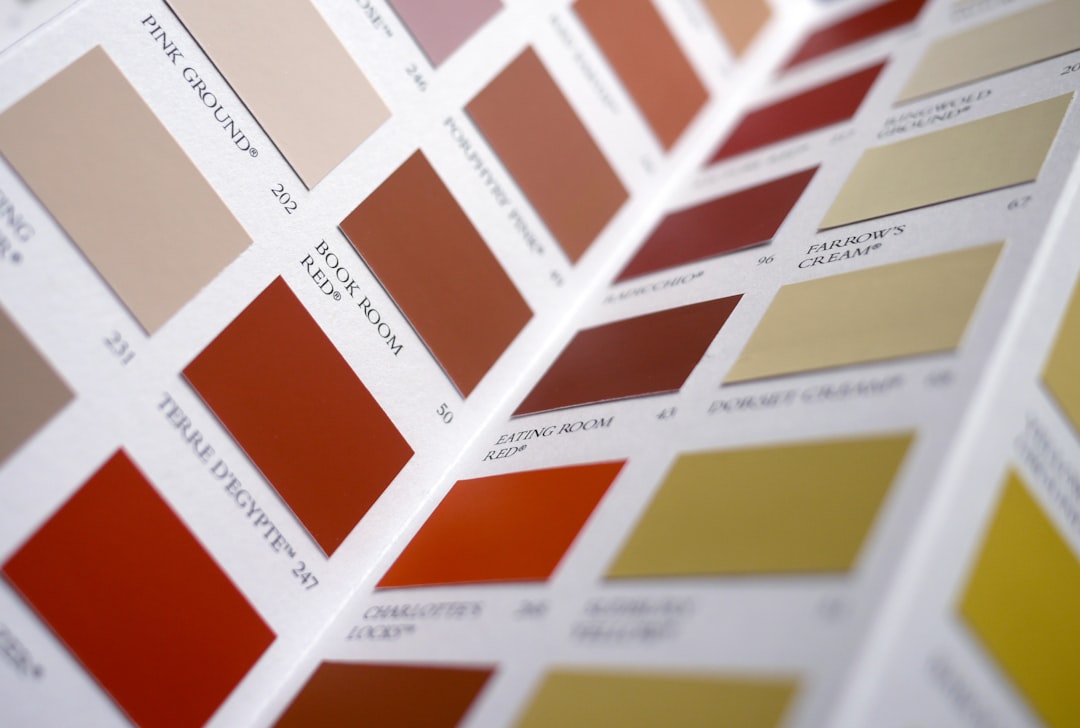
Color strongly affects credibility. A frame for a healthcare initiative should not use colors that feel chaotic or overly playful. A frame for a children’s party should not look corporate and cold. Select a palette of two to four colors and use contrast carefully.
Typography should be legible at a glance. Avoid using more than two font families. Decorative fonts can be useful for weddings or birthdays, but they should be reserved for short words or names. For campaign and event information, use a clean sans serif or a highly readable serif.
When possible, create contrast between text and background. White text on a pale yellow banner, for example, will be difficult to read. If the frame includes a transparent overlay, test it on both light and dark photos. A subtle shadow, stroke, or semi opaque background panel can improve readability.
Branding, Logos, and Sponsor Placement
Logos can add legitimacy, but they should not dominate the frame. If multiple sponsors must be included, avoid placing all logos around the portrait area. Instead, consider a narrow bottom strip or a simplified sponsor mark. Too many logos can make the frame look like an advertisement rather than a participation symbol.
For official organizations, use only approved logo files and follow brand guidelines. Do not stretch logos, alter colors without permission, or place them on busy backgrounds. If the frame is connected to a public institution, medical organization, charity, or government body, accuracy and consistency are essential.
Accessibility and Inclusivity
A responsible frame should be usable and respectful for a wide audience. This includes people with visual impairments, different cultural backgrounds, different skin tones, and varied photo styles.
- Use sufficient contrast between text and background elements.
- Avoid covering faces with decorative graphics, especially near eyes and mouths.
- Use inclusive language that does not exclude participants unintentionally.
- Be careful with cultural symbols and confirm their meaning before using them.
- Test on diverse photos to ensure the frame works for different lighting, hairstyles, clothing, and compositions.
Technical and Practical Considerations
Platform features and approval rules can change, so it is wise to verify current Facebook or Meta requirements before planning a campaign around a native frame feature. In cases where native profile frames are limited or unavailable, the same design concept can be used as a downloadable overlay, event photo template, story graphic, or profile picture edit.
Create the design in a square format for profile use, commonly with transparent areas where the user photo will appear. Keep important details away from the very edge, because cropping may occur on different devices. Export high resolution files and review them on desktop and mobile screens.
Before public release, conduct a basic quality check:
- Is the main message readable at small size?
- Does the design cover any important part of the face?
- Are colors consistent with the event or organization?
- Are logos accurate and used with permission?
- Does the frame still work on both bright and dark photos?
- Is the message appropriate, factual, and respectful?
Common Mistakes to Avoid
One of the most frequent mistakes is overcrowding. A frame does not need to include every detail about the event. The date, venue, sponsors, website, hashtag, slogan, and logo may all be useful, but not all belong on the frame. Use supporting posts or captions for additional information.
Another mistake is designing only for a perfect preview image. Real users have different photos, face positions, lighting conditions, and backgrounds. A frame that looks excellent on a studio portrait may fail on a casual selfie. Testing is not optional; it is a professional requirement.
Finally, avoid trends that weaken credibility. Excessive neon effects, unreadable script fonts, low quality clip art, and inconsistent spacing can make a serious campaign appear unreliable. Simplicity is often more persuasive than decoration.
Final Thoughts
A well-designed FB photo frame can extend the reach of an event, strengthen a campaign, or make a celebration feel more unified. The best frames are clear, respectful, visually balanced, and designed for real users rather than ideal mockups. By focusing on readability, purpose, accessibility, and consistent branding, you can create a frame that people are proud to use and share.
Whether the occasion is a national awareness campaign, a professional conference, a school graduation, or a family milestone, the same principle applies: the frame should support the person in the photo while clearly communicating the shared message. When that balance is achieved, a simple visual overlay can become a meaningful symbol of participation and connection.