
HubSpot is usually better for teams that want strict, CRM-first decay rules, while ActiveCampaign is better for teams that want flexible automation-based engagement score changes. For inactive contacts, both platforms can reduce scores, tag cold leads, and trigger reactivation campaigns, but they do it in different ways. HubSpot supports score properties with positive and negative scoring criteria, which makes it useful for sales handoff rules tied to lifecycle stages [source: HubSpot].
TLDR: HubSpot fits companies that need clean sales qualification, clear negative scoring, and reporting tied to CRM records. ActiveCampaign fits companies that want behavior-based automation, such as subtracting 10 points after 30 days with no email clicks, then sending a win-back sequence. For example, a SaaS team with 25,000 contacts may find that 38% have not clicked in 90 days; reducing their score by 15 points can stop sales from chasing stale leads. The practical choice comes down to whether the business values CRM control or automation flexibility more.
Why inactive contact scoring matters
Inactive contacts quietly ruin lead scoring. They may have filled out a form six months ago, opened one newsletter, and downloaded a guide. On paper, they still look warm. In reality, they may have stopped caring long ago.
This is where engagement score adjustment matters. A lead score should not only go up when someone acts. It should also go down when someone ignores emails, skips webinars, stops visiting pages, or fails to reply to sales outreach.
Without score decay, sales teams waste time. Marketing reports look better than they are. Campaigns get sent to people who should be in a reactivation segment, not a hot lead queue. Honestly, it feels like a small scoring mistake until the sales team starts complaining about “qualified” leads that have not clicked anything in four months.
HubSpot for inactive contact lead scoring
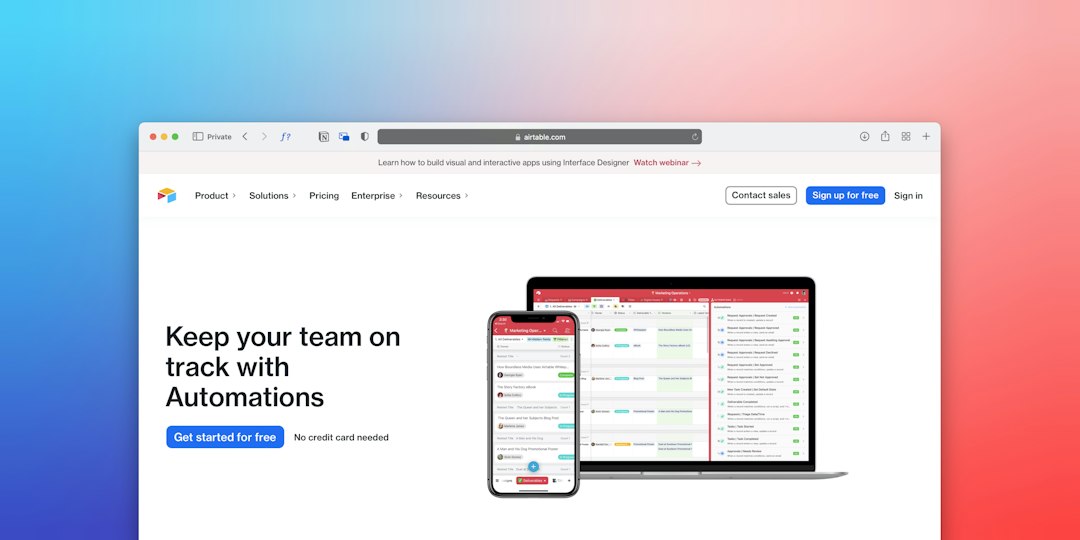
HubSpot is strong when a company wants scoring to sit close to its CRM and sales process. It lets teams build score properties using fit data and engagement behavior. A contact can gain points for visiting pricing pages, submitting forms, or becoming a marketing qualified lead. The same contact can lose points for inactivity, poor fit, or lack of recent engagement.
For inactive contacts, HubSpot works well when rules need to be clear. A company might subtract points when:
- A contact has not opened a marketing email in 60 days.
- A contact has not visited the website in 90 days.
- A contact has not submitted any form in 120 days.
- A contact has an old lifecycle stage but no recent activity.
- A sales rep has marked the contact as unresponsive.
HubSpot’s main benefit is structure. Sales, marketing, and operations teams can agree on a scoring model and connect it to lifecycle stages, lists, workflows, and pipeline reporting. This is useful for B2B companies with longer sales cycles.
The catch is that HubSpot can feel rigid when marketers want very granular engagement decay. Building several score properties, checking enrollment rules, and testing workflow timing can take longer than expected. A simple “reduce score by 5 every two weeks of silence” rule may turn into a small operations project.
ActiveCampaign for inactive contact lead scoring
ActiveCampaign is often stronger for behavior-based scoring. It is built around automations, so engagement score changes can happen inside branching customer journeys. This gives marketers more freedom to reduce, reset, or rebuild scores based on real actions.
ActiveCampaign supports contact scoring and deal scoring, with points added or removed through rules and automations [source: ActiveCampaign]. For inactive contacts, this is useful because score decay can be tied to email behavior, site visits, tagging, and campaign paths.
A typical inactive scoring setup in ActiveCampaign might look like this:
- Add 10 points when a contact clicks a product email.
- Add 20 points when a contact visits a pricing page.
- Remove 10 points after 30 days with no clicks.
- Remove another 15 points after 60 days with no site visits.
- Add a “cold lead” tag after 90 days of no meaningful action.
- Send a reactivation campaign before suppressing future sales emails.
This makes ActiveCampaign appealing for ecommerce, online courses, agencies, and smaller B2B firms that rely heavily on email interaction. It is fast to test. It also gives campaign owners more control without needing a full CRM operations process.
The annoyance is reporting. ActiveCampaign can score and segment well, but deeper sales attribution can feel less tidy than HubSpot. If the company needs board-level pipeline reports tied to score movement, HubSpot usually feels cleaner.
Score decay: where the tools differ most
Score decay is the big issue for inactive contacts. A score should lose value as time passes without engagement. The best model does not punish every quiet contact the same way. It separates normal silence from true disinterest.
HubSpot handles this best when decay rules are part of a broader qualification system. For example, a contact may lose points after 60 inactive days, but still stay above the sales threshold if the company fit is excellent. That makes sense for enterprise B2B, where buyers may go quiet during budget cycles.
ActiveCampaign handles this best when decay is part of a timed automation. For example, a contact can enter a “low engagement” path after 30 days of no clicks. If the contact clicks a reactivation email, the score rises again. If not, the score falls and the contact moves into a colder segment.
Which platform is better for specific teams?
HubSpot is usually the better choice when:
- Sales teams rely on lead scores every day.
- The business has a defined MQL or SQL process.
- Scores must connect to CRM dashboards.
- Negative scoring must reflect firmographic fit and lifecycle stage.
- Management wants clean reporting on lead quality.
ActiveCampaign is usually the better choice when:
- Email engagement drives most buying signals.
- The team wants fast automation changes.
- Reactivation campaigns are a major part of the strategy.
- Contacts need tags based on inactivity windows.
- The company wants simpler campaign-level control.
For example, a B2B software company with sales reps may use HubSpot to drop a contact from 75 to 45 points after 90 days of silence, removing the lead from the rep queue. An online education brand may use ActiveCampaign to reduce scores in stages, then send three win-back emails before marking the contact cold.
Best practices for adjusting inactive engagement scores
Both tools work better with a clear scoring policy. Teams should avoid random point values. A 5-point penalty should mean something. A 30-point penalty should mean serious disengagement.
A balanced model often includes:
- Short-term inactivity: no opens or clicks for 30 days, small score drop.
- Medium inactivity: no clicks or site visits for 60 days, larger drop.
- Long inactivity: no meaningful action for 90 to 120 days, cold status.
- Recovery action: score increase after a click, form fill, reply, or booking.
- Suppression rule: remove very cold contacts from sales alerts.

Teams should also separate email opens from stronger actions. Opens are weaker signals due to privacy changes and bot activity. Clicks, replies, form fills, meeting bookings, and page visits are better signs of interest.
Final recommendation
HubSpot wins when inactive lead scoring must support sales qualification and CRM reporting. ActiveCampaign wins when score decay must react quickly to email behavior and automation branches.
The safest choice depends on the main pain. If sales complains about stale MQLs, HubSpot is likely the better fit. If marketing needs smarter reactivation paths and faster score changes, ActiveCampaign is often the better option.
FAQ
What is lead scoring for inactive contacts?
It is the process of reducing or changing a contact’s score when that person stops engaging. Common inactivity signals include no clicks, no site visits, no form fills, and no replies.
Is HubSpot better than ActiveCampaign for score decay?
HubSpot is better for CRM-based score decay tied to sales stages and reporting. ActiveCampaign is better for automation-based decay tied to email behavior and tags.
How often should inactive scores be reduced?
Many teams use 30, 60, and 90-day inactivity stages. A small drop can happen after 30 days. A larger drop can happen after 60 or 90 days with no meaningful action.
Should email opens affect engagement scores?
They can, but they should carry low value. Clicks, replies, form submissions, and booked meetings are stronger signals than opens.
Can inactive contacts become warm again?
Yes. A contact can regain points after clicking a reactivation email, visiting a product page, submitting a form, or replying to outreach. Good scoring systems allow recovery, not just penalties.