Use Brandwatch to measure what people say about your brand, and use Google Analytics to measure what those people do on your site. That is the cleanest answer. Brand awareness lives outside your website first. Then it shows up inside your website as branded searches, direct visits, referral traffic, and returning users.
TLDR: Brandwatch is best for tracking conversation. Google Analytics is best for tracking website behavior. For example, if mentions of your brand rise by 42% in Brandwatch, and your branded search traffic rises by 18% in GA4 two weeks later, your awareness campaign is probably working. A simple use case: a coffee brand runs TikTok ads, sees 3,200 social mentions in Brandwatch, then sees direct traffic jump from 12,000 to 15,500 visits in Google Analytics.
What is brand awareness, really?
Brand awareness means people know you exist.
Simple. Annoyingly hard to measure.
Someone might see your logo on Instagram. They might hear your name in a podcast. They might read a Reddit thread. Then, three days later, they Google you. Or they type your URL. Or they do nothing at all.
That is why one tool is not enough.
Brandwatch shows the noise around your brand. Google Analytics shows what happens after people reach your site.
Brandwatch: measuring the buzz
Brandwatch is a social listening tool. It scans public online sources. That can include social media, forums, blogs, news sites, and review sites.
It helps answer questions like:
- How many people are talking about us?
- Are mentions going up or down?
- Do people sound happy, angry, or confused?
- Which channels mention us most?
- How do we compare with competitors?
This makes Brandwatch great for top-of-funnel awareness. That is the messy stage before someone clicks, buys, or signs up.
Useful Brandwatch metrics include:
- Mentions: How often your brand name appears.
- Reach: How many people may have seen those mentions.
- Sentiment: Whether mentions are positive, negative, or neutral.
- Share of voice: Your slice of the conversation compared with competitors.
- Top topics: What people connect with your brand.
- Influencers: Who is pushing the conversation.
Here is the fun part. Brandwatch can catch awareness before your site traffic moves. If 800 people talk about your new sneaker drop on X and TikTok, that is a signal. Even if only 90 people visit your site that day.
The annoying part? Social data can be noisy. Bots exist. Spam exists. Sarcasm exists. Honestly, it feels like sentiment tools still panic when humans make jokes. A post saying, “This burger is stupid good,” may get tagged wrong.
Google Analytics: measuring the visit
Google Analytics, usually GA4 now, measures what happens on your website or app.
It does not know every person who heard your brand name. It does not see most social conversations. It will not tell you that someone mentioned you in a WhatsApp group.
But it is great at showing proof of interest.
Useful GA4 metrics for brand awareness include:
- Direct traffic: People type your site address or use a saved link.
- Organic branded search: People search your brand name.
- New users: Fresh visitors who may have just learned about you.
- Returning users: People who remember you enough to come back.
- Referral traffic: Visits from press, blogs, partners, and reviews.
- Engaged sessions: Visits where people actually pay attention.
A good sign looks like this:
- Your campaign starts on Monday.
- Brandwatch shows mentions up 55% by Wednesday.
- GA4 shows branded organic traffic up 22% by the next Monday.
- Returning users rise 14%.
That is a nice chain. People hear about you. They search for you. They visit. Some return.
Still, GA4 has its own little headaches. It drives me crazy that simple reports can take extra clicks to set up. Finding branded organic traffic may take filters, comparisons, and custom reports. What should take 20 seconds can turn into two minutes of sighing.
Brandwatch vs Google Analytics: quick comparison
| Question | Brandwatch | Google Analytics |
|---|---|---|
| Are people talking about us? | Yes | No |
| Are people visiting our site? | No | Yes |
| Can we track sentiment? | Yes | No |
| Can we compare competitors? | Yes | Only in limited ways |
| Can we measure conversions? | Not well | Yes |
| Best use | Public buzz | Site behavior |
So, which one measures brand awareness better?
Brandwatch measures brand awareness better at the awareness stage.
It shows whether people know you, discuss you, and react to you. It also shows whether your name is growing compared with other brands.
Google Analytics measures brand awareness better after interest turns into action.
It shows whether people come to your site because they remember you, search for you, or return later.
Think of it like a party.
Brandwatch tells you who is talking about your party across town. Google Analytics tells you who walked through the door.
You need both if you want the full story.
The best brand awareness setup
Here is a simple setup that works well.
- Set your baseline. Track 30 days before your campaign starts.
- Track brand mentions in Brandwatch. Include common misspellings.
- Track competitors too. Share of voice only makes sense with rivals.
- Create GA4 reports for branded search. Use Search Console data if possible.
- Watch direct traffic. It is not perfect, but it is useful.
- Compare dates. Look at before, during, and after the campaign.
Do not obsess over one metric. A single number can lie. A pattern is better.
For example, this pattern is strong:
- Mentions up 60%.
- Positive sentiment up 12%.
- Share of voice rises from 9% to 15%.
- Branded search clicks up 25%.
- Direct traffic up 19%.
That is not just noise. That looks like growing awareness.
Common mistakes to avoid
Mistake one: treating direct traffic as pure awareness. It is not. Some direct traffic comes from dark social, email, saved links, or tracking gaps.
Mistake two: counting all mentions as good news. A scandal can create huge awareness. That does not mean your brand is healthier.
Mistake three: ignoring search intent. Someone searching “Brand X refund problem” knows you. But that is not the fun kind of awareness.
Mistake four: checking results too soon. Awareness often moves first. Website action may lag by days or weeks.
A simple scorecard
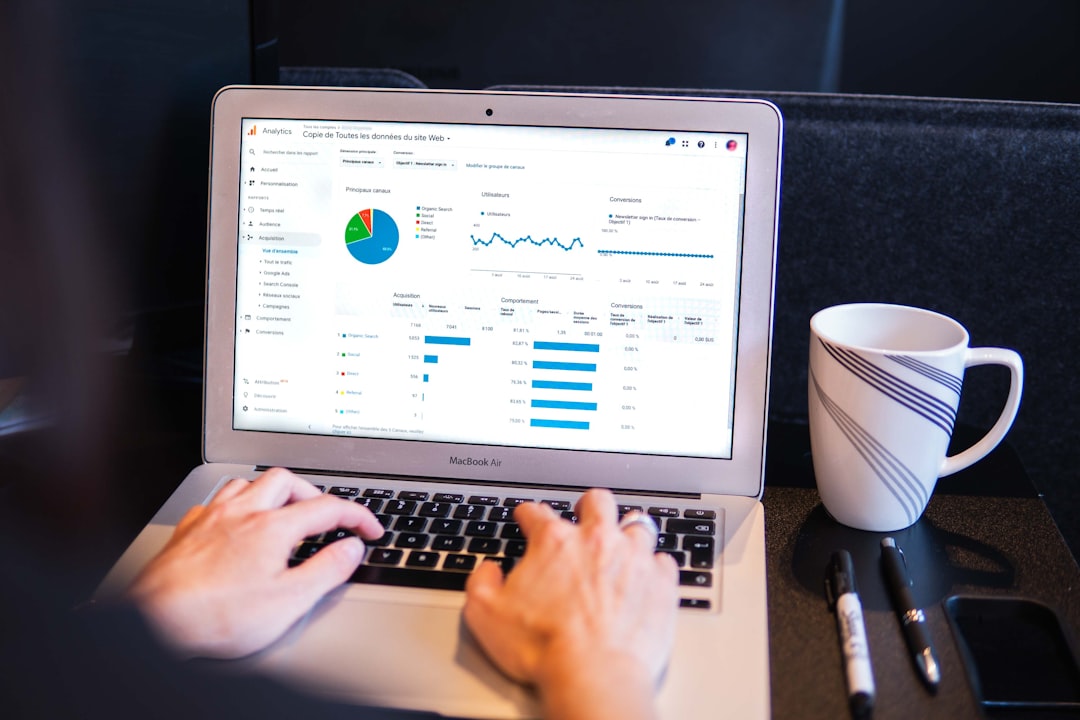
Use this monthly scorecard:
- Brand mentions: Up, down, or flat?
- Sentiment: More love or more complaints?
- Share of voice: Are you gaining ground?
- Branded organic traffic: Are more people searching your name?
- Direct traffic: Are more people coming straight to you?
- Returning users: Are people remembering you?
If most of these rise together, your brand awareness is growing. If Brandwatch rises but GA4 stays flat, people may be talking but not acting. If GA4 rises but Brandwatch stays flat, your awareness may come from search, offline ads, email, or private sharing.
Final verdict
Pick Brandwatch if your main question is, “Do people know and talk about us?”
Pick Google Analytics if your main question is, “Did awareness bring people to our site?”
For real brand awareness measurement, use both. Brandwatch gives you the outside chatter. Google Analytics gives you the inside response. Together, they turn fuzzy brand fame into numbers you can actually use.