Take Action is not “the same” as Plan B in branding, price, or market position, but it is highly similar in its main purpose and active ingredient. Both are emergency contraceptive pills containing 1.5 mg of levonorgestrel, used after unprotected sex or contraceptive failure. For sales teams, the comparison offers a useful lesson: two products can solve the same urgent problem, yet win buyers for very different reasons.
TLDR: Take Action and Plan B One-Step both contain levonorgestrel 1.5 mg and are taken as soon as possible after unprotected sex, ideally within 72 hours. Plan B often has stronger brand recognition, while Take Action may cost less depending on the retailer. For example, a pharmacy shopper may pick Plan B at $49.99 because the name feels familiar, while another may choose Take Action at $34.99 after seeing the same active ingredient. Sales teams can learn from this: trust, speed, price clarity, and simple messaging can decide the sale.
What Take Action and Plan B Have in Common
Take Action and Plan B One-Step are both emergency contraceptive pills. They are used after events such as a broken condom, missed birth control pills, or sex without contraception. Both products use the same hormone, levonorgestrel, at the same dose.
They are designed to reduce the chance of pregnancy. They work mainly by delaying or preventing ovulation. They are not abortion pills. They do not end an existing pregnancy.
Timing matters. Both products work best when taken as soon as possible. Many labels refer to use within 72 hours, though effectiveness is generally stronger earlier. A person with medical questions should speak with a pharmacist, doctor, or qualified health professional.
Where the Two Products Differ
The key differences are not usually clinical. They are commercial. Plan B is the better-known brand. It has strong name recall. Many shoppers use “Plan B” as a general phrase for emergency contraception, even when they buy another brand.
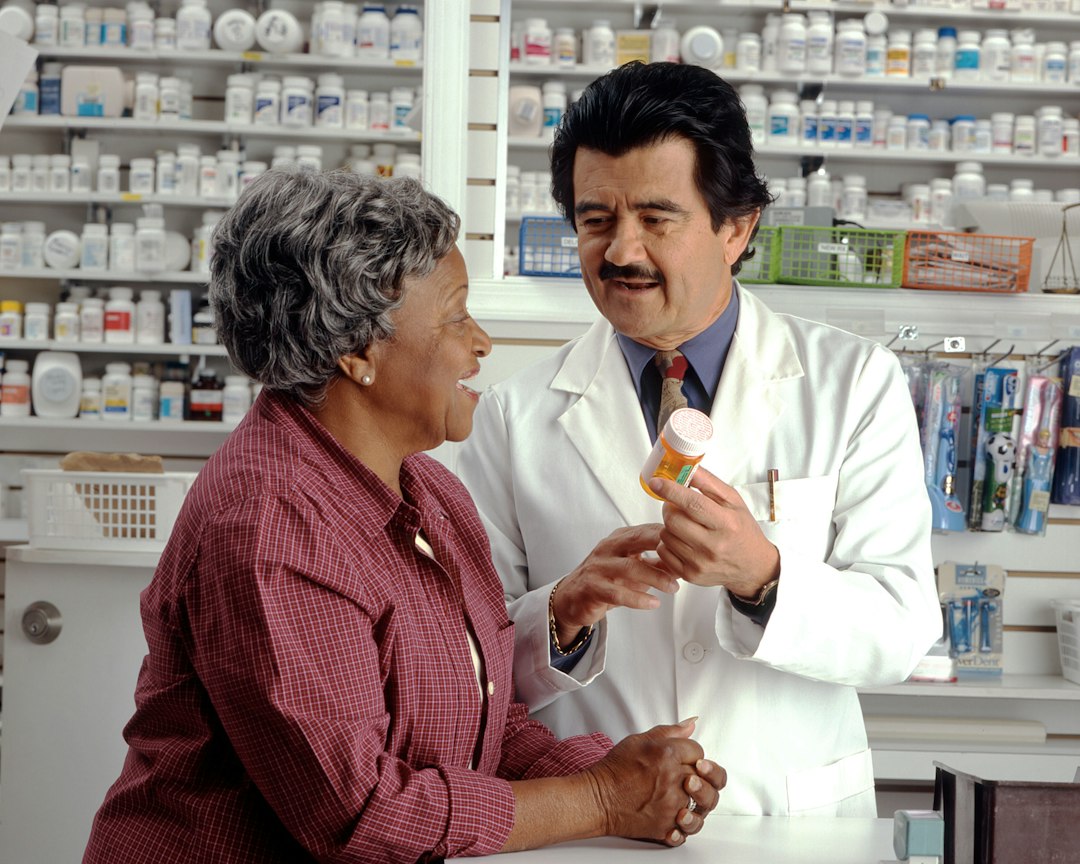
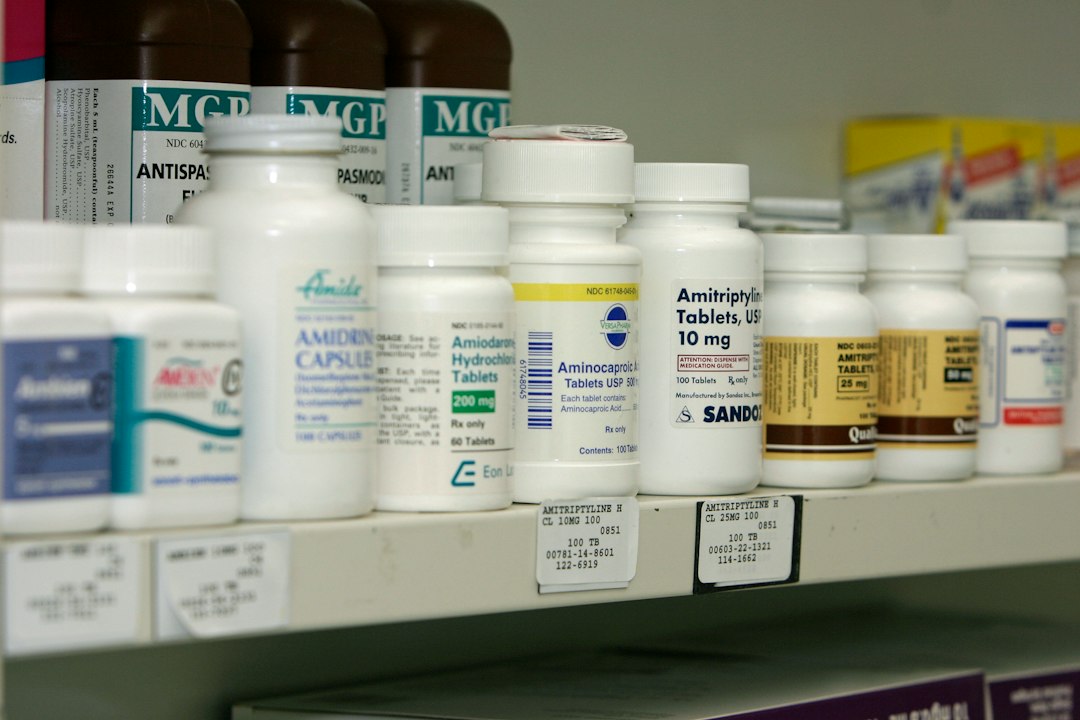
Take Action is often positioned as a lower-cost alternative. It may appear beside Plan B on pharmacy shelves or online product pages. The packaging may be less familiar, but the active ingredient can be the same. That creates a classic sales problem: the buyer must compare trust, price, urgency, and perceived risk in seconds.
- Brand recognition: Plan B usually wins on name familiarity.
- Price: Take Action may be cheaper, depending on the store.
- Availability: Both may be sold in pharmacies, big-box stores, and online.
- Buyer confidence: Plan B may feel safer to nervous shoppers because it is widely known.
- Product education: Take Action may need clearer labeling or staff support to earn trust.
What Sales Teams Can Learn From This Comparison
The comparison between Take Action and Plan B is not only about health products. It reflects a familiar sales pattern. One brand owns the category in the buyer’s mind. Another offers a similar result, often at a better price, but must work harder to prove it.
This happens in software, office supplies, insurance, finance tools, and consulting. A market leader becomes the default choice. A challenger must answer the silent buyer question: “Why should this be trusted if it costs less?”
That question matters. If a lower-priced product seems unclear, risky, or hard to understand, buyers often pay more for the name they know. It drives reps crazy when a strong offer loses because the packaging, page copy, or sales script fails to explain the basics fast enough.
Lesson 1: Urgency Changes Buying Behavior
Emergency contraception is often bought under stress. The shopper may not want a long comparison chart. They want a quick answer: Does it work, how fast should it be taken, and what does it cost?
Sales teams see the same pattern in urgent B2B purchases. A company dealing with a security issue, payroll error, sales pipeline gap, or shipping delay does not want vague claims. It wants proof, speed, and reduced risk.
A strong urgent-sale message should answer three questions:
- What problem does the product solve?
- How soon can it help?
- Why should the buyer trust it now?
When those answers are easy to find, friction drops. When they are buried in fine print, sales suffer.
Lesson 2: Brand Trust Can Beat Product Similarity
Plan B shows how powerful brand memory can be. The product name is short, direct, and tied to the situation. In many conversations, “Plan B” means backup option, not just a single product.
That kind of mental ownership is rare. It is also costly for competitors. Take Action can match the main ingredient, but it may still face doubt from shoppers who only know the famous name.
Sales teams should not assume that matching features is enough. A product can have the same core function and still lose because buyers do not understand it. Similar is not always equal in the buyer’s head.
Lesson 3: Clear Comparison Wins Nervous Buyers
When buyers feel pressure, they appreciate plain comparisons. This is where challenger products can win. A chart that says same active ingredient, same dose, and lower price can be more useful than a polished slogan.
The same applies to sales pages and demos. A team selling against a category leader should not hide from comparison. It should make the buyer’s job easier.
- Show feature matches in plain language.
- Explain price differences without sounding defensive.
- Use trustworthy proof, such as reviews, certifications, or case results.
- Remove vague claims like “best solution” unless backed by data.
- Train reps to answer competitor questions directly.
Honestly, it feels like some sales tools make this harder than it needs to be. A rep should not need eight clicks and 20 extra seconds to find a competitor comparison sheet during a live call. In a tense sale, those seconds feel much longer.
Lesson 4: Price Needs Context
A cheaper product can create doubt. That sounds unfair, but buyers often connect higher price with higher quality. Take Action may offer a lower price, but the value must be framed correctly.
The message should not be only “cheaper.” It should be “similar core function, lower cost, clear instructions, available now.” That is a stronger position.
For sales teams, discounting without context can damage trust. A 25% lower price sounds attractive, but it may also raise concerns. The buyer may wonder what has been removed. Better messaging explains why the cost is lower. Common reasons may include leaner packaging, a direct sales model, fewer add-ons, or a focused product scope.
Lesson 5: Naming Shapes Memory
Both names are action-oriented. Plan B suggests a backup. Take Action tells the buyer what to do. Each name fits an urgent moment.
Sales teams should notice that. Product names, offer names, and feature names should reduce confusion. A name that explains the use case can lower the burden on sales reps. It can also help buyers remember the product when the need appears.
Weak naming usually creates extra work. Reps must explain the product before they can sell it. Strong naming does some of that work before the conversation starts.

Practical Takeaways for Sales Leaders
Sales leaders can apply this comparison to messaging, training, and buyer enablement. The goal is not to copy health product marketing. The goal is to understand buyer psychology.
- Build instant clarity: Buyers should grasp the offer in seconds.
- Respect urgency: Stressed buyers need short paths to answers.
- Prove similarity: If competing with a known brand, show exact points of match.
- Explain savings: Lower price needs a reason, not just a sticker.
- Train for comparison: Reps should welcome side-by-side questions.
- Reduce tool friction: CRM notes, battlecards, and pricing should be easy to find.
The bigger lesson is simple. A product can be medically or technically similar, but buyers do not make decisions only from specifications. They respond to trust, timing, clarity, and risk. Take Action and Plan B show that the best-known option often starts with an advantage, while the challenger must earn confidence quickly.
FAQ
Is Take Action the same as Plan B?
Take Action and Plan B One-Step contain the same active ingredient, levonorgestrel 1.5 mg. They are similar in purpose, but they differ in brand, packaging, price, and buyer recognition.
Is Take Action a generic version of Plan B?
Take Action is commonly treated as a lower-cost alternative to Plan B One-Step. A pharmacist can confirm current product details and answer health-related questions.
Does Take Action work as well as Plan B?
Both contain the same dose of levonorgestrel. Effectiveness depends on factors such as timing, body weight, ovulation timing, and individual health details. Medical advice should come from a qualified professional.
What is the main sales lesson from Take Action vs Plan B?
The main lesson is that similar products do not sell equally. Brand trust, clear messaging, price framing, and urgency can strongly shape the buyer’s choice.
How can sales teams use this idea?
Sales teams can create cleaner comparison pages, explain price differences, train reps to answer competitor questions, and make urgent buying decisions easier for prospects.