The best enterprise sales onboarding programs train sellers on real deals, not software menus. A Salesforce and Oracle-style onboarding case study shows why: enterprise reps need process clarity, product fluency, CRM accuracy, and coaching that matches the way complex deals actually move.
TLDR: A strong enterprise sales onboarding program should combine CRM training, product plays, manager coaching, and live deal practice in the first 90 days. In a realistic case scenario, a 450-person sales team reduced average ramp time from 112 days to 78 days after replacing generic training with role-based labs and weekly pipeline reviews. For example, new account executives practiced logging Oracle ERP opportunities in Salesforce, then received feedback on qualification, next steps, and forecast category. The result was less guessing, cleaner data, and faster first meetings booked.
Why This Case Study Matters
Salesforce and Oracle sit at the center of many enterprise revenue operations. Salesforce often acts as the sales system of record. Oracle products may sit inside the deal itself, especially in cloud, ERP, HCM, database, or finance transformation sales.
That pairing creates a real training problem. Reps must learn the tech stack, the product story, the sales methodology, the buyer map, and the approval process. Honestly, it feels like many companies still hand new sellers a portal login, a 90-minute recording, and a cheerful “good luck.” That is not onboarding. That is a scavenger hunt.
A better model treats onboarding as a guided performance program. The goal is not course completion. The goal is productive selling behavior.
The Case: A Large Enterprise Sales Team Rebuilds Onboarding
Consider a global enterprise software team selling Oracle-based solutions while managing opportunities in Salesforce. Before the redesign, the team had common symptoms:
- Slow ramp: New reps needed more than three months to create qualified pipeline.
- Messy CRM data: Opportunity stages were updated late or skipped.
- Weak discovery: Reps asked product questions before business impact questions.
- Manager inconsistency: Coaching depended too much on each manager’s personal style.
- Forecast noise: Deals looked healthier in Salesforce than they were in reality.
The company redesigned onboarding around a simple rule: every training activity must connect to a buyer action, a seller action, or a manager action.
Instead of building a long course catalog, the enablement team created a 12-week path with weekly outcomes. Each week included a short lesson, a CRM task, a role play, and a manager review. Reps did not just watch content. They had to prove they could use it.
What the 12-Week Program Looked Like
The program started before day one. New hires received short prep work: company positioning, basic Salesforce terms, Oracle product categories, and a glossary of common enterprise buyer roles. That reduced the “first week fog” that drains time and patience.
The core program had four parts:
- Weeks 1-2: Market and buyer basics. Reps learned how CIOs, CFOs, CHROs, procurement teams, and technical evaluators view major software investments.
- Weeks 3-5: Salesforce workflow labs. Reps created accounts, contacts, opportunities, activities, and next steps using realistic account scenarios.
- Weeks 6-8: Oracle solution plays. Reps practiced discovery for ERP modernization, cloud migration, data management, and HR transformation use cases.
- Weeks 9-12: Deal simulation and certification. Reps ran mock calls, built mutual action plans, updated Salesforce, and defended their forecast.
The key shift was practice density. A rep might spend only 15 minutes learning a concept, then 45 minutes applying it. That ratio matters. Enterprise sellers do not get better by clicking through slides.
The Salesforce Training Lesson: Teach Workflow, Not Buttons
CRM training often goes wrong because it focuses on where to click. That helps for about five minutes. Then the rep hits a real account with messy history, duplicate contacts, old notes, and a buying committee of 11 people.
In this case, Salesforce training was rebuilt around questions sellers face each day:
- What makes an opportunity real enough to enter?
- What activity data does the manager need before a forecast call?
- When should a deal move from discovery to solution fit?
- What fields affect reporting, territory planning, and compensation?
- How should next steps be written so another person can understand the deal?
It drives me crazy when a rep has to spend 20 seconds hunting for the right field because no one explained why the field exists. The fix is not more documentation. The fix is workflow training that mirrors the sales motion.
One lab asked reps to process a stalled Oracle cloud opportunity. They had to inspect account history, identify missing stakeholders, update close dates, adjust stage, write a clear next step, and prepare a manager briefing. That single exercise taught more than a dozen menu demos.

The Oracle Training Lesson: Tie Product Knowledge to Pain
Enterprise product training can become a feature parade. That is a problem. Buyers do not wake up wanting modules, dashboards, or migration paths. They want fewer close delays, cleaner audits, lower infrastructure risk, faster reporting, or a simpler employee experience.
The Oracle portion of the program focused on use cases. A seller did not memorize every feature of an ERP or HCM product. Instead, they learned how to connect pain to a business outcome.
For example:
- CFO pain: Slow month-end close. Seller angle: finance process standardization and reporting accuracy.
- CIO pain: Aging infrastructure. Seller angle: cloud migration risk reduction and supportability.
- HR pain: Fragmented employee data. Seller angle: unified employee records and better workforce planning.
- Operations pain: Manual planning. Seller angle: better forecasting and process visibility.
This made training stick. Reps could speak in buyer language before bringing in a solution consultant. That saved expert time and improved early-stage qualification.
Metrics That Proved the Program Was Working
The team tracked behavior, not just attendance. That was the difference.
After two quarters, the program showed gains across several measures:
- Ramp time: Average time to first qualified opportunity fell from 112 days to 78 days.
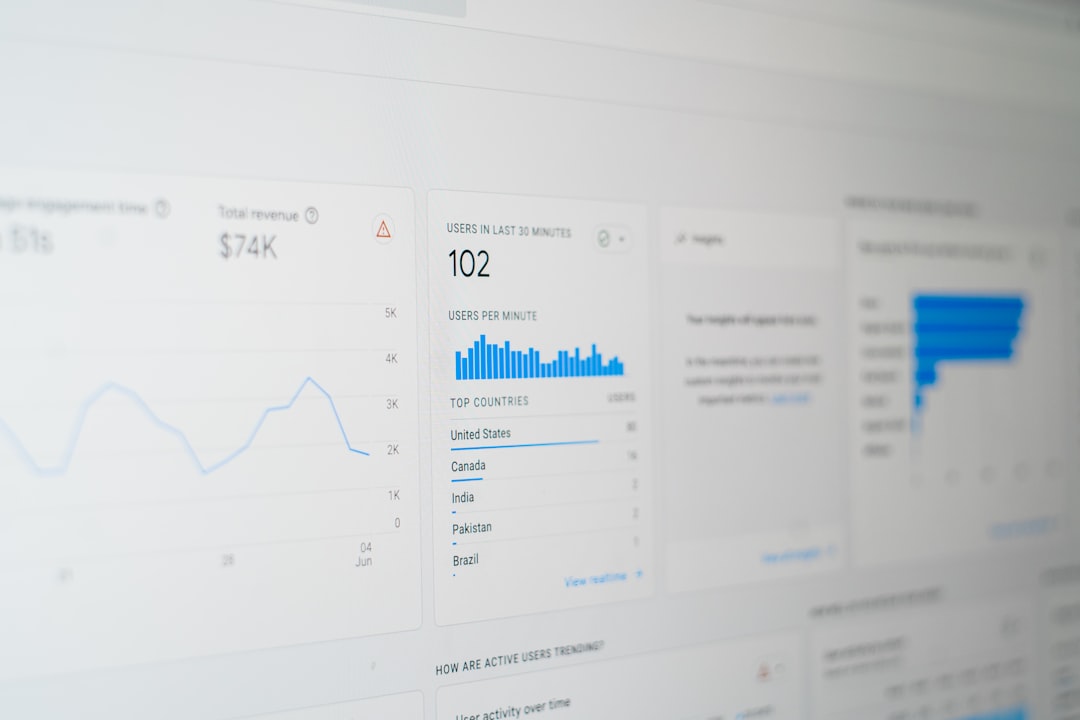
- CRM completeness: Required fields and next-step quality improved by 31%.
- Forecast accuracy: Late-stage forecast variance dropped by 18%.
- Manager coaching: Weekly coaching completion rose from 54% to 87%.
- Pipeline creation: New-hire sourced pipeline increased 22% within the first full quarter.
These numbers were not magic. They came from clearer standards, more practice, and tighter manager involvement.
What Enterprise Sales Teams Can Copy
Most companies do not need a huge enablement budget to use this model. They need discipline. Start with these moves:
- Build onboarding around milestones. Define what reps must do by day 15, 30, 60, and 90.
- Use real account scenarios. Generic examples create generic sellers.
- Make managers part of the program. A manager should review CRM quality, call plans, and deal logic every week.
- Certify skills, not views. Do not ask if reps watched a video. Ask if they can run discovery and update the opportunity correctly.
- Measure leading indicators. Track first meetings, stakeholder maps, mutual action plans, CRM hygiene, and stage movement.

The Biggest Mistake to Avoid
The biggest mistake is treating onboarding as an event. It is not. It is a behavior system. If training ends after orientation week, expect confusion to show up in the pipeline.
Salesforce and Oracle training must be connected because sellers experience them together. The rep hears a business problem, frames an Oracle solution, records the opportunity in Salesforce, updates the forecast, and prepares the next meeting. Break that chain, and quality drops.
The strongest enterprise onboarding programs are practical, measurable, and slightly unforgiving about the basics. Reps should know what a good opportunity looks like. Managers should know how to coach it. Revenue leaders should trust the data.
That is the real lesson from a Salesforce and Oracle-style sales onboarding case study: train the motion, not the menu. When sellers practice the full path from buyer pain to CRM update to manager review, ramp gets faster and the pipeline gets cleaner.