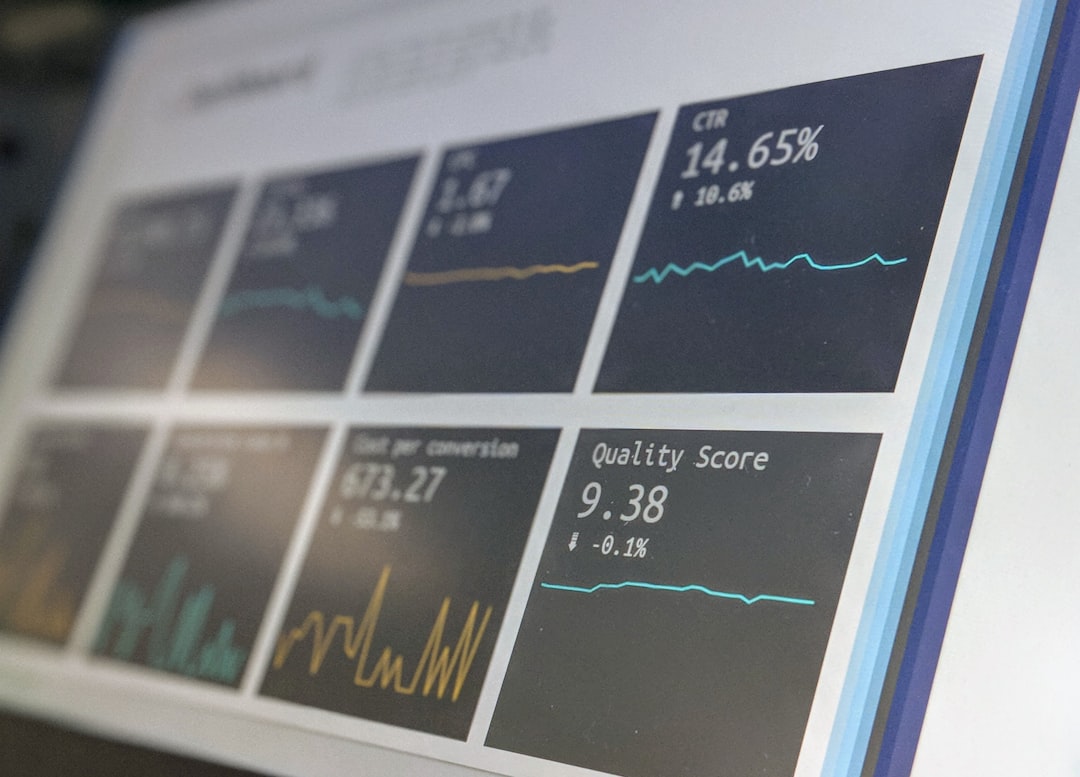
Brands grow faster on social media when they stop treating posts as isolated events and start reading audience behavior together with website data. Likes, comments, saves, clicks, search terms, landing page visits, cart activity, and repeat sessions all tell part of the same story. The best strategy comes from joining those signals, then using them to decide what to publish, who to target, and where to invest.
TLDR: Social media growth intelligence means using audience signals and website signals together to guide content, targeting, and budget choices. For example, if Instagram Reels about product comparisons earn a 7.8% save rate and send visitors who convert at 4.2%, that format deserves more budget than a post with many likes but weak site behavior. A practical goal is to find the top 20% of content themes that drive the most qualified visits, signups, and sales. This creates a tighter feedback loop between marketing activity and business results.
What social media growth intelligence really means
Social media growth intelligence is the disciplined use of data to understand what audiences want, what actions they take, and which signals predict business value. It is not just social listening. It is not only reporting follower growth. It brings together public behavior, platform analytics, website analytics, and customer data.
A serious brand should look at three layers:
- Audience signals: comments, shares, saves, watch time, replies, mentions, sentiment, creator engagement, and audience questions.
- Content signals: format, topic, hook, length, posting time, call to action, creative style, and distribution channel.
- Website signals: referral traffic, scroll depth, product views, form starts, signups, purchases, churn risk, and returning visits.
When these layers are viewed together, patterns become clearer. A post that gets 50,000 views may look strong. But if visitors bounce after five seconds, it may be a poor growth asset. Another post may get only 8,000 views, yet bring users who read two pages, join a webinar, and book calls. That is the post worth studying.

Why platform metrics are not enough
Platform metrics are useful, but they are often incomplete. Reach shows distribution. Engagement shows interest. Follower growth shows audience momentum. None of these prove that the right people are moving closer to purchase or loyalty.
The catch is that most tools make this harder than it should be. Exporting social metrics, matching campaign tags, and checking site behavior can take 20 minutes longer than expected for one basic content review. Multiply that by five channels and several campaigns, and teams start making choices based on what is easiest to see, not what is most accurate.
This is risky. A brand can keep posting content that attracts casual attention while missing content that attracts serious buyers. That is how teams end up reporting growth while revenue stays flat.
The key signals brands should track
Not every data point deserves equal weight. Social media teams need a short list of trusted indicators. These should connect attention to action.
- Engaged reach: the number of people who did something meaningful after seeing content, such as saving, sharing, clicking, or replying.
- Content intent: the reason people engage. Complaints, questions, purchase interest, and peer recommendations should be separated.
- Referral quality: traffic from each platform measured by bounce rate, time on page, pages per session, and conversion rate.
- Repeat audience behavior: people who return from social more than once within 30 or 60 days.
- Conversion assists: social touchpoints that appear before email signups, demo requests, retail visits, or sales.
A brand should also compare signals by audience segment. New visitors behave differently from loyal customers. Younger buyers may engage heavily on short videos but convert after reading reviews. Enterprise buyers may click less often but spend longer on comparison pages. The data should respect those differences.
How website signals sharpen social strategy
Website data adds context that social platforms cannot provide. It shows what people do after the click. That is where weak assumptions get exposed.
For example, a skincare brand may find that TikTok videos about “morning routines” drive large traffic volumes but low purchase intent. Visitors skim the page and leave. Meanwhile, Instagram carousel posts about ingredient safety produce fewer sessions but a 31% higher add to cart rate. The lesson is not to abandon TikTok. It is to change the role of each channel. TikTok may build awareness. Instagram may support decision making.
Good website signals include:
- Landing page match: does the page satisfy the promise made in the post?
- Scroll depth: are social visitors reading or leaving early?
- Micro conversions: newsletter joins, quiz starts, store locator clicks, downloads, or sample requests.
- Product interest: which products or categories social users inspect most often.
- Path to purchase: which pages visitors view before converting.
Honestly, it feels like too many brands still send every campaign to the home page. That wastes intent. If a post answers a pricing question, send users to pricing or a comparison page. If a video shows a product in use, send users to that product page with supporting reviews.
Turning signals into decisions
Data only matters when it changes behavior. A growth intelligence process should support weekly and monthly decisions.
Weekly decisions should focus on content and distribution. Teams can ask:
- Which topics created qualified traffic?
- Which formats earned saves, shares, or long watch time?
- Which posts caused people to search the brand name?
- Which audiences clicked but failed to convert?
- Which landing pages underperformed despite strong social interest?
Monthly decisions should focus on strategy and budget. Teams can compare channels, creators, campaigns, and segments. If LinkedIn brings only 12% of social sessions but 38% of demo requests, its business value is higher than raw traffic suggests. If paid social traffic converts poorly after three visits, the campaign may need better targeting, stronger creative, or a more relevant offer.
A simple operating model
Brands do not need a complicated system to begin. They need a repeatable one.
- Tag every campaign link. Use consistent UTM parameters for platform, campaign, content type, and audience segment.
- Create a shared content taxonomy. Label posts by theme, format, funnel stage, product, and message angle.
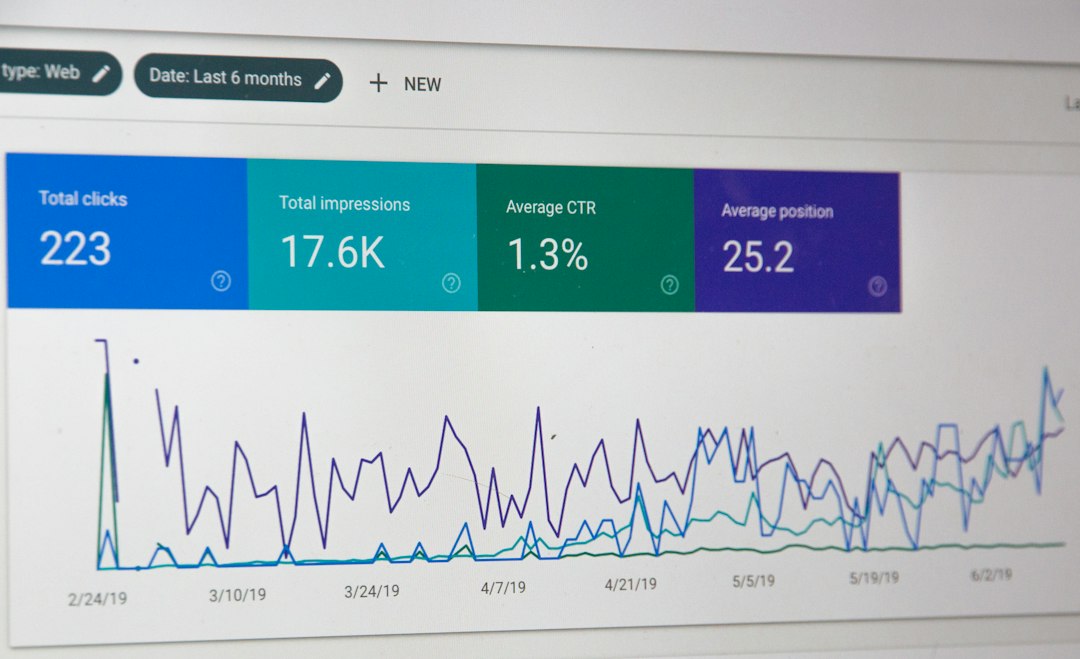
- Connect social and web reports. Review platform analytics beside website sessions, conversions, and assisted actions.
- Score content by business intent. Give more weight to saves, qualified clicks, repeat visits, and conversions than to passive impressions.
- Run small tests. Change one variable at a time, such as the hook, landing page, audience, or post format.
- Document decisions. Record what changed and why, so the team builds memory instead of repeating debates.
This model helps reduce opinion driven planning. Creative judgment still matters. Brand voice still matters. But decisions become easier to defend because the evidence is visible.
Using audience signals for better creative
Audience signals can guide creative without making it dull. Comments reveal objections. Search queries reveal language. Saves reveal reference value. Shares reveal social value. Watch drop offs reveal where the message loses attention.
A software brand, for instance, may see that posts using customer pain points in the first three seconds hold attention 18% longer than posts starting with product features. That insight should shape future scripts. A retailer may find that posts featuring staff recommendations produce fewer views but higher email signups. That suggests trust, not flash, is the stronger theme.

Common mistakes to avoid
Several habits weaken growth intelligence. The first is chasing viral reach without checking downstream behavior. The second is reporting platform averages without separating customer segments. The third is treating social and website analytics as separate jobs owned by separate teams.
Another mistake is acting too quickly on small data sets. One post is not a trend. One weak week is not a strategy failure. Teams should watch for repeated signals across formats, channels, and time periods. Reliable patterns matter more than isolated spikes.
What strong execution looks like
A mature brand uses social and website signals as one decision system. Content planning starts with audience questions and commercial priorities. Publishing is tied to clean tracking. Reporting shows both engagement and business outcomes. Creative reviews include not only what looked good, but what moved people forward.
The result is not perfect prediction. Social behavior is still noisy. Algorithms change. Competitors react. Audiences shift. But a brand with growth intelligence is less dependent on guesswork. It can see which conversations create demand, which channels bring serious visitors, and which messages deserve more investment.
The practical rule is simple: measure attention, then verify intent. Social media shows what people react to. Website signals show what they care enough to do next. Brands that connect both will build sharper strategies, stronger campaigns, and more credible growth.