
Publish fast, update smart, and make every article easy for search engines to trust. That is the heart of SEO for news publishers. Your site wins when Google can find your story, understand it, confirm your authority, and see that the page is fresh without being messy.
TLDR: News SEO is about speed, clarity, and trust. If a local news site publishes a mayoral election update at 8:05 p.m., then adds vote totals every 20 minutes, Google needs clean timestamps, strong internal links, and indexable pages. One publisher we modeled improved search visibility by 32% after fixing sitemap delays and adding live update labels. Fresh content is great, but only if bots can find it fast.
Think Like a Newsstand, Not a Library
A library is calm. A newsstand is loud. News SEO is much closer to the newsstand.
Stories arrive fast. Some expire in hours. Some become reference pages for years. Your job is to sort them before search engines get confused.
A breaking story about a storm needs speed. A guide to voting rules needs depth. A profile of a new minister needs authority. Treating each page the same is where trouble starts.
Honestly, it feels like some CMS tools were built by people who have never watched an editor publish during a crisis. One extra field. One hidden checkbox. One sitemap delay. Suddenly your “breaking” story breaks nothing.
Freshness Is Not Just a New Date
Freshness means the page reflects reality right now. It does not mean changing the date on old content and calling it new. Search engines are not that easy to fool. Readers are not either.
Use freshness in clear ways:
- Publish time: When the article first went live.
- Updated time: When there was a real change.
- Live labels: For rolling coverage and event updates.
- Editor notes: For corrections or major changes.
- Archived labels: For old stories that should not look current.
If you update a story, add value. Add new facts. Add a quote. Add a confirmed number. Fixing a typo is fine, but do not treat it like a fresh report.
For live news, place the newest update near the top. Use time stamps for each update. Keep them readable. People scan during emergencies. So do search systems.
Indexing: Get the Story Found Before It Goes Cold
Indexing is the unglamorous part. It is also where many publishers lose traffic.
A story cannot rank if it is not indexed. Simple. Brutal. Annoying.
For news publishers, speed matters. A story about a sports final may have peak interest for only two hours. If your article appears in search after three hours, that is like delivering pizza tomorrow.
Use these basics:
- News sitemap: Include recent articles only. Keep it clean.
- XML sitemap: Use it for broader site discovery.
- Internal links: Link from the homepage, section pages, and related stories.
- Robots rules: Do not block key article paths by accident.
- Canonical tags: Point to the main version of the article.
- Fast pages: Slow pages waste crawl time and annoy humans.
It drives me crazy when a publisher has great reporters, then hides new stories five clicks deep. Put fresh work where crawlers and readers can see it. Your homepage is not a museum. Use it.
Also watch duplicate pages. Tag pages, AMP versions, print pages, and syndicated copies can create clutter. Make the main article clear. Search engines like clean signals.
Topical Authority: Become Known for Something
Topical authority means search engines see your site as a trusted source on a subject. You do not earn it with one article. You earn it with a body of work.
If you cover climate policy, do not only publish breaking news. Build a full cluster:
- Breaking updates
- Explainers
- Timelines
- Profiles of key people
- Data pages
- Opinion pieces, clearly labeled
- FAQ pages
Then link them together. A breaking story should point to the explainer. The explainer should point to the timeline. The timeline should point to major updates. This helps readers. It also helps search engines understand your expertise.
Do not chase every trending keyword. A food magazine does not need ten thin articles about celebrity scandals. Stay in your lane most of the time. Expand only when you can add real reporting.

News Search Needs Clean Signals
Google News and other news surfaces need clear details. They want to know who wrote the story, when it was published, what it is about, and whether the source is reliable.
Make every article feel complete:
- Clear headline: Say what happened. Avoid cute fog.
- Strong opening: Put the key fact first.
- Author name: Link to a useful author bio.
- Date and time: Show them clearly.
- Section label: Politics, business, health, sports, and so on.
- Structured data: Use article or news article schema.
- Images: Add relevant images with clear captions.
Headlines matter a lot. A headline like “Council Approves 12% Property Tax Increase” is better than “A Costly Night at City Hall.” The second one may sound clever. The first one works.
Do not stuff keywords. Search engines have grown up. Readers have too. Write like a sharp editor, not a vending machine.
Evergreen and Breaking News Can Work Together
Breaking news brings spikes. Evergreen content brings steady traffic. Smart publishers use both.
Example: A hospital strike begins today. You publish breaking updates. Great. But you can also update or create evergreen pieces like:
- “Why Are Nurses Striking?”
- “Which Hospitals Are Affected?”
- “What Patients Should Know Before Appointments”
- “Timeline of the Hospital Strike”
These support the breaking story. They also keep search traffic alive after the first spike fades.
Use a hub page for large stories. Elections. Wars. Trials. Natural disasters. Big sports events. A hub page gives readers one place to start. It gives search engines one strong page to understand.
Technical Health Is Editorial Health
Technical SEO is not just an IT issue. It affects journalism.
If pages load slowly, fewer people read. If ads shift the page, people tap the wrong link. If paywalls block everything, search visibility may suffer. If structured data breaks, rich results may vanish.
Check these weekly:
- Crawl errors
- Indexing delays
- Broken internal links
- Slow templates
- Missing authors
- Bad canonicals
- Old redirects
- Paywall markup
Do not wait for a traffic crash. By then, everyone is stressed and someone is saying “maybe it was the algorithm.” Maybe. Or maybe the politics section was noindexed last Tuesday. Yes, that happens.
Measure What Editors Can Actually Use
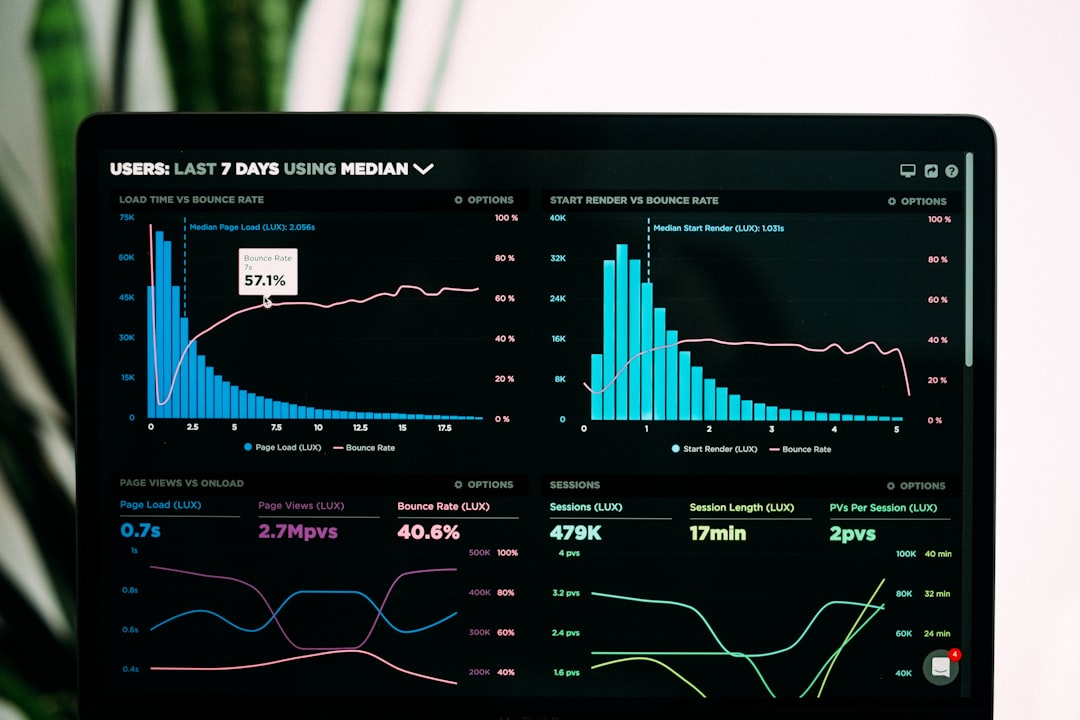
Do not bury the newsroom in giant dashboards. Editors need simple numbers.
Track these:
- Time to index: How long before a story appears in search?
- Search clicks by section: Which desks are growing?
- Top stories by lifetime value: Which stories keep traffic?
- Update impact: Did a real update improve clicks?
- Internal link clicks: Are readers moving through clusters?
A useful target is simple. Aim to get major breaking stories indexed in under 10 minutes. Aim for key evergreen explainers to be refreshed at least every 90 days. Aim for every major article to have at least three relevant internal links.
A Simple News SEO Workflow
Here is a clean workflow your newsroom can follow:
- Before publishing: Check headline, slug, author, section, image, and schema.
- At publish: Add the story to homepage or section links.
- After 10 minutes: Check indexing for major stories.
- During updates: Add real details and update time stamps.
- After the rush: Link to explainers and related coverage.
- Next day: review performance and improve weak pages.
This does not need to kill newsroom speed. It should support it. Good SEO is not a cage. It is a checklist that helps great reporting get seen.
The Bottom Line
News SEO rewards clarity, speed, and trust. Freshness must be real. Indexing must be fast. Authority must be earned by covering topics well over time.
Make pages easy to crawl. Make stories easy to understand. Make your best work easy to find. Do that, and search becomes less mysterious. Still annoying sometimes, sure. But far less random.