
Organic search growth starts with technical health, relevant content, and measurable visibility. If a site cannot be crawled, understood, and trusted, better copy will not save it. A serious SEO framework treats search as an operating system, not a one-time campaign.
TLDR: Fix crawl and indexing issues first, then align content with search intent, then measure visibility by topic and conversion value. For example, a B2B service site that reduced index bloat by 38%, rewrote 24 weak pages, and improved internal linking saw organic demo requests rise by 31% in 90 days. The best results come from steady technical cleanup, focused content updates, and reporting that tracks revenue, not just rankings.
1. Start With Technical Health
Technical SEO is not glamorous, but it decides whether search engines can access and trust your site. If technical issues pile up, they drain performance across every page. That means slower discovery, weaker rankings, and wasted crawl activity.
Begin with a full crawl. Review how search engines see your pages, not how your team hopes they see them. Check for blocked assets, broken links, redirect chains, duplicate URLs, missing canonicals, and thin indexed pages.
- Crawlability: Search engines must reach important URLs without friction.
- Indexability: Only valuable pages should be indexed.
- Site speed: Pages should load quickly on mobile and desktop.
- Structured data: Markup should clarify entities, products, reviews, FAQs, and business details where relevant.
- Internal links: Important pages need clear paths from menus, hubs, and related content.
It drives me crazy when SEO audits list 200 “critical” issues without sorting them by impact. A missing image alt tag is not the same as a blocked product category. Prioritize issues that affect crawling, indexing, rendering, page speed, and revenue pages.
2. Control Index Bloat
Index bloat happens when search engines index low-value pages. These may include filtered URLs, tag pages, internal search pages, duplicate product variations, outdated blog posts, or thin location pages. The result is simple: strong pages compete with weak pages from the same site.
Use index coverage reports and log files to compare crawled URLs against pages that deserve organic traffic. If a page has no search demand, no unique value, and no conversion purpose, it may not belong in the index.
Common fixes include:
- Noindexing low-value pages that users need but search engines do not.
- Canonicalizing duplicate or near-duplicate pages.
- Consolidating similar pages into stronger, broader resources.
- Deleting and redirecting outdated pages that no longer serve users.
Be careful. Removing pages without proof can cut traffic. Before any large cleanup, export data from search analytics, server logs, backlinks, and conversions. If a page earns links or assists sales, treat it with care.
3. Build Content Around Search Intent
Content relevance is not about word count. It is about matching the reason behind a search. Someone searching “best CRM for small law firms” needs comparison, use cases, pricing context, and risk factors. Someone searching “what is CRM” needs a clear definition and examples.
Sort keywords by intent before writing:
- Informational: The user wants to learn.
- Commercial: The user is comparing options.
- Transactional: The user is ready to buy, book, or request.
- Local: The user needs a nearby provider or location-specific answer.
Each page should have one main purpose. Do not force a product pitch into every article. Do not bury a sales page under vague educational copy. Search engines reward pages that satisfy the intent cleanly.
Strong content also needs proof. Add original data, screenshots, expert quotes, process details, pricing ranges, case examples, or clear criteria. Generic advice is cheap. Specific evidence earns trust.
4. Use Topic Clusters, Not Random Posts
A scattered blog rarely builds authority. A mature SEO program groups content into topic clusters. Each cluster has a central hub page and supporting pages that answer related questions in greater detail.
For example, a cybersecurity firm might build a hub for “cloud security compliance.” Supporting pages could cover audit preparation, policy templates, common failures, vendor risk, reporting requirements, and industry-specific concerns.
This structure helps users and search engines understand depth. It also improves internal linking. A hub page can pass value to supporting pages, while supporting pages reinforce the hub.

5. Improve On-Page Signals
On-page SEO turns good content into a clearer search result candidate. Start with titles, headings, URLs, and meta descriptions. They should describe the page with precision. Avoid vague labels such as “Solutions” or “Resources” when clearer wording exists.
Use headings to create structure. A reader should be able to scan the page and understand the argument in seconds. Search engines also use headings to interpret sections and relationships.
Review these elements on key pages:
- Title tag: Include the main topic and value of the page.
- H1: State the page focus clearly.
- Intro: Answer the main question early.
- Media: Use charts, images, and examples to support the text.
- Calls to action: Match the user’s stage of intent.
Expect to waste time on some SEO tools. A few take 10 to 20 seconds to reload basic rank tables, then still export messy files. Use tools, but do not let tool reports replace judgment.
6. Strengthen E-E-A-T Signals
Trust matters. Search engines assess whether content appears helpful, accurate, and credible. This is especially true for finance, health, legal, and safety topics. Still, every serious brand should prove why users can rely on its content.
Improve trust with visible authorship, reviewer details, citations, company information, policy pages, real customer proof, and updated dates. If advice affects money, health, or legal outcomes, use qualified reviewers.
Also remove weak claims. Phrases like “industry-leading” or “best solution” mean little without evidence. Replace them with measurable facts, client outcomes, certifications, process details, or documented experience.
7. Measure Search Visibility Correctly
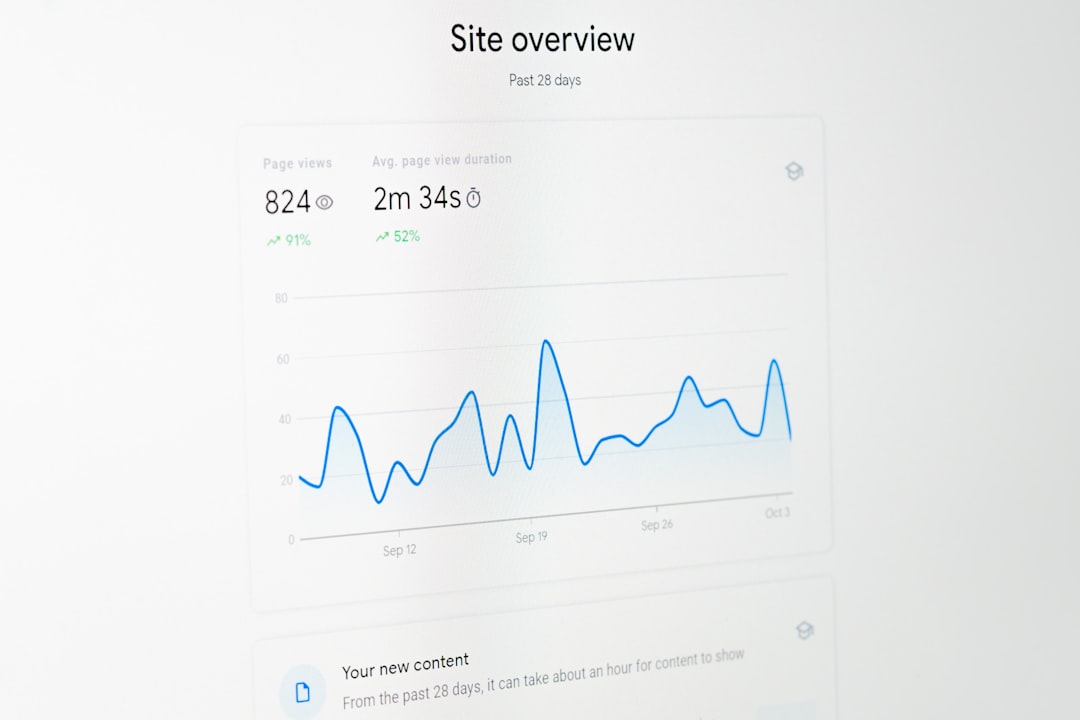
Rankings matter, but they are not the whole story. Track visibility by topic, page type, and business outcome. A rise in non-converting traffic may look good in a dashboard and still fail commercially.
Use a reporting model that includes:
- Indexed pages: How many valuable pages are eligible to rank?
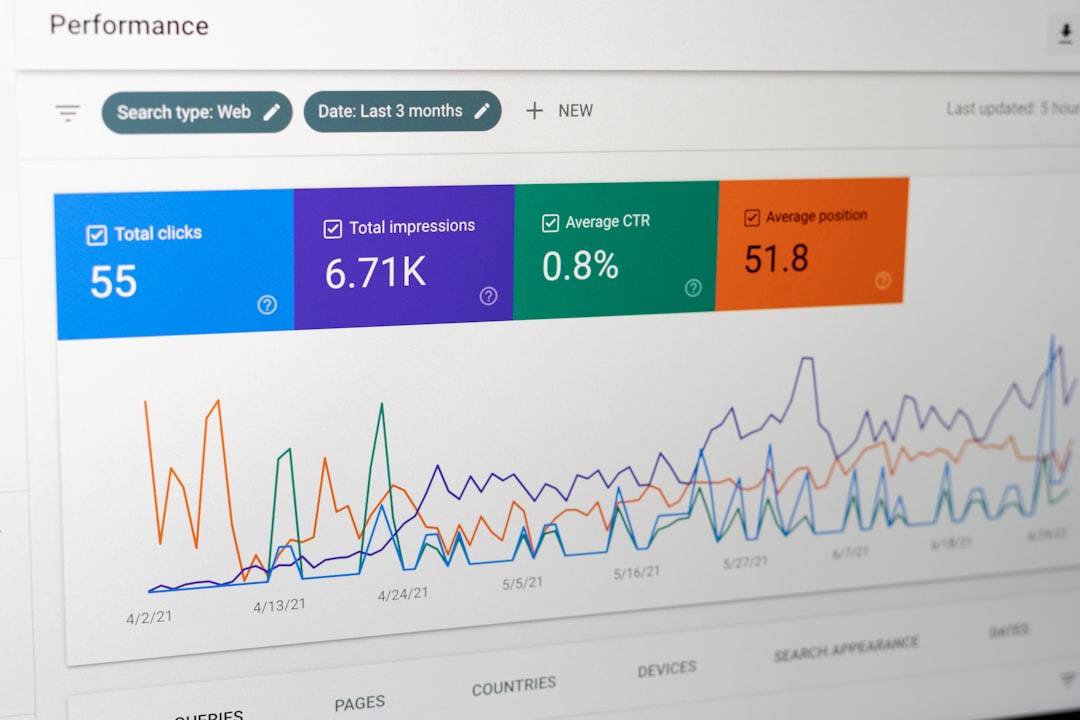
- Impressions: Are pages appearing for more relevant searches?
- Click-through rate: Are search snippets earning clicks?
- Organic conversions: Are visitors taking meaningful actions?
- Assisted revenue: Does organic search support longer sales cycles?
A practical benchmark is to review performance every 30 days and make deeper decisions every 90 days. SEO needs enough time for crawling, indexing, testing, and user behavior to settle.
8. Build a Repeatable Optimization Cycle
Organic search optimization works best as a cycle. Audit, prioritize, implement, measure, and refine. Then repeat. The process should be boring in the best possible way.
A simple monthly workflow looks like this:
- Fix high-impact technical errors.
- Update pages losing impressions or clicks.
- Create content for validated search demand.
- Add internal links from relevant high-authority pages.
- Review conversions and adjust calls to action.
The serious work is not chasing every algorithm update. It is building a site that is fast, clear, useful, and easy to understand. When technical health, content relevance, and visibility tracking work together, organic search becomes a durable growth channel instead of a guessing game.