For B2B software companies, SaaS marketing is not simply about getting more website traffic or launching a few ad campaigns. It is about guiding a specific business buyer from awareness to evaluation, purchase, adoption, renewal, and expansion. Because SaaS revenue depends on recurring relationships, the best marketing teams think beyond the first conversion and build systems that support long-term customer value.
TLDR: SaaS marketing works best when companies combine clear positioning, educational content, targeted channels, and measurable growth metrics. For example, a B2B project management platform might use LinkedIn ads to reach operations managers, offer a workflow optimization guide, and convert 6% of landing page visitors into demo requests. If 25% of those demos become customers and the average annual contract value is $8,000, even a modest campaign can create a predictable revenue engine. The strongest SaaS marketers continuously test messaging, improve onboarding, and measure both acquisition and retention.
What Makes SaaS Marketing Different?
SaaS marketing has a unique challenge: the product is often intangible, the buying cycle can be long, and multiple stakeholders may influence the decision. A finance director may care about cost savings, an IT manager may care about security, and an end user may care about ease of use. Effective marketing must speak to all of them without becoming generic.
Unlike one-time product sales, SaaS companies depend on recurring revenue. That means the customer journey does not end when someone signs a contract. Marketing supports activation, product adoption, customer education, upsells, and renewals. In many successful B2B SaaS companies, marketing and customer success work closely together to reduce churn and increase expansion revenue.
Start With Positioning and Ideal Customer Profiles
Before choosing channels or campaigns, SaaS companies need a sharp understanding of who they serve and why those buyers should care. This begins with an ideal customer profile, or ICP. An ICP defines the types of companies that are most likely to buy, succeed with, and renew your software.
A strong ICP may include:
- Company size: Startups, mid-market businesses, or enterprises.
- Industry: Healthcare, finance, ecommerce, manufacturing, education, or another niche.
- Technology environment: Tools they already use, such as CRM, ERP, or data platforms.
- Pain points: Manual workflows, reporting delays, compliance risk, poor collaboration, or high costs.
- Buying triggers: Rapid growth, new regulations, budget changes, or leadership transitions.
Once the ICP is clear, messaging becomes more specific. Instead of saying, “Our platform improves productivity,” a stronger message might be, “Help distributed finance teams close their monthly reports 40% faster with automated reconciliation workflows.” Specificity makes SaaS marketing more credible and more memorable.
Core SaaS Marketing Strategies
Successful B2B SaaS marketing usually blends several strategies rather than relying on one tactic. The right mix depends on market maturity, average contract value, sales cycle length, and product complexity.
1. Content Marketing and Thought Leadership
Content remains one of the most powerful SaaS marketing strategies because B2B buyers often research deeply before contacting sales. Blog posts, comparison guides, white papers, webinars, templates, and case studies help buyers understand their problem and evaluate possible solutions.
The most effective content is not just high-volume SEO writing. It answers real questions from prospects, sales calls, onboarding sessions, and support tickets. For example, a cybersecurity SaaS company might publish articles on audit readiness, vendor risk management, and compliance frameworks. This builds trust before the buyer is ready to book a demo.
2. Product-Led Growth
Product-led growth, or PLG, uses the product itself as a major driver of acquisition and conversion. Free trials, freemium plans, interactive demos, and self-service onboarding allow users to experience value before talking to sales.
This approach works especially well when the product is easy to try and delivers quick wins. However, PLG does not mean sales is unnecessary. Many companies combine self-service adoption with sales outreach when usage signals show a team is ready for a paid plan or enterprise conversation.
3. Account-Based Marketing
Account-based marketing, or ABM, focuses on high-value target accounts rather than broad lead generation. Marketing and sales teams identify specific companies, personalize campaigns, and engage multiple stakeholders within each account.
ABM is especially useful for enterprise SaaS companies with larger deal sizes. A campaign may include personalized landing pages, executive reports, industry-specific emails, targeted LinkedIn ads, and direct sales outreach. The goal is to create relevance for a buying committee, not just attract individual leads.

Best Marketing Channels for B2B SaaS
No single channel works for every SaaS company. The best channel mix depends on where your buyers learn, compare, and make decisions. Still, several channels consistently matter in B2B software marketing.
- SEO: Useful for capturing high-intent searches such as “best CRM for agencies” or “SOC 2 compliance software.”
- LinkedIn: Strong for targeting professionals by job title, company size, industry, and seniority.
- Email marketing: Effective for nurturing leads, onboarding users, announcing features, and re-engaging inactive accounts.
- Webinars and virtual events: Valuable for educating complex buyers and generating qualified leads.
- Review sites: Important for social proof, especially when buyers compare software vendors.
- Paid search: Helpful for capturing buyers who are already looking for a solution.
- Partner marketing: Powerful when integrations, agencies, consultants, or resellers influence purchasing decisions.
The key is to connect channels into a coherent journey. A prospect might discover a blog article through Google, download a benchmark report, attend a webinar, receive a case study by email, and then request a demo. Each interaction should build confidence and reduce uncertainty.
Metrics SaaS Marketers Should Track
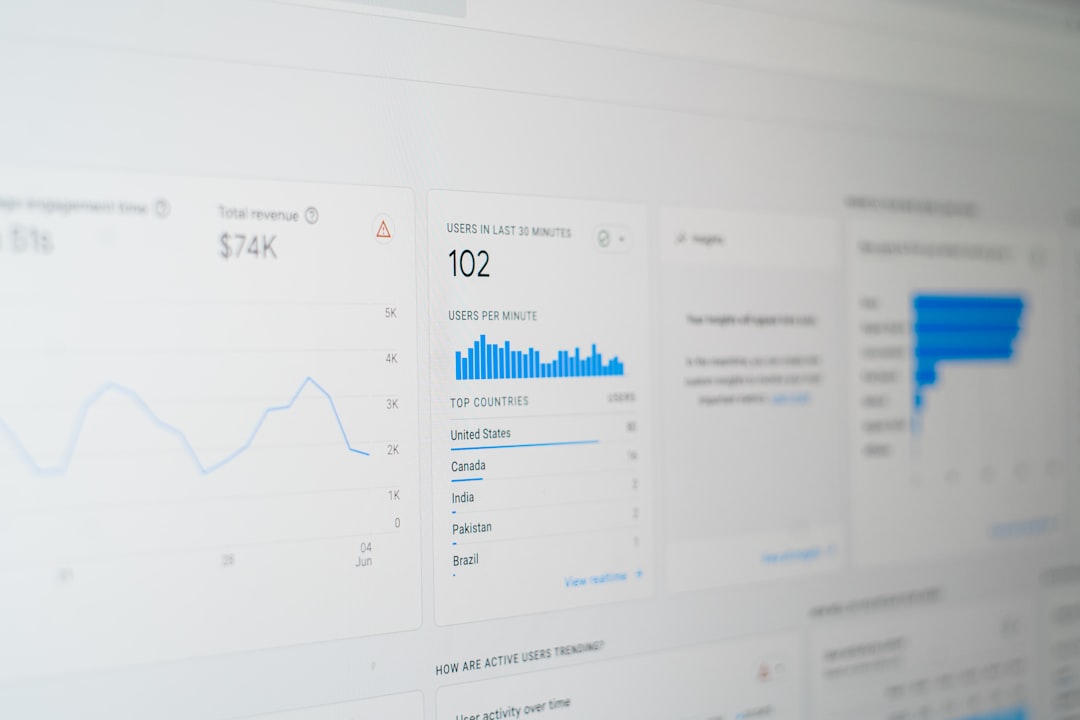
Marketing performance in SaaS must be measured across the full funnel. Vanity metrics such as impressions and clicks can be useful, but they do not tell the whole story. The most important metrics connect activity to pipeline, revenue, retention, and growth.
- Website conversion rate: The percentage of visitors who take a meaningful action, such as signing up or requesting a demo.
- Marketing qualified leads: Leads that match your ICP and show buying intent.
- Customer acquisition cost: The total cost of acquiring a customer, including marketing and sales expenses.
- Customer lifetime value: The estimated revenue a customer generates over the full relationship.
- Lead to customer rate: The percentage of leads that become paying customers.
- Monthly recurring revenue: Predictable revenue generated each month from subscriptions.
- Churn rate: The percentage of customers or revenue lost during a period.
- Net revenue retention: Revenue retained and expanded from existing customers after churn, upgrades, and downgrades.
A SaaS company with strong acquisition but high churn has a leaky bucket. That is why retention metrics are just as important as lead generation metrics. If marketing brings in customers who are a poor fit, sales may close deals, but customer success will struggle later.
Best Practices for Sustainable SaaS Growth
Great SaaS marketing is both creative and analytical. It requires compelling storytelling, but also disciplined testing and measurement. These best practices can help B2B software companies build more resilient growth systems.
- Align marketing with sales and customer success. Teams should agree on ICPs, lead definitions, buyer objections, and handoff processes.
- Use customer language. Interview users, review support conversations, and study sales calls to understand how buyers describe their pain.
- Create proof, not just promises. Case studies, testimonials, benchmarks, and product screenshots make claims more believable.
- Segment campaigns by buyer role. Executives, managers, IT teams, and end users need different messages.
- Optimize onboarding content. Tutorials, lifecycle emails, and in-app guidance can increase activation and reduce early churn.
- Test continuously. Experiment with landing pages, calls to action, pricing pages, emails, and ad messaging.

Final Thoughts
SaaS marketing for B2B software companies is not a collection of disconnected campaigns. It is a strategic system that connects positioning, channels, content, sales enablement, product experience, and retention. The companies that win are usually not the ones shouting the loudest; they are the ones that understand their buyers best and deliver consistent value at every stage of the journey.
Whether a company is launching its first product or scaling into enterprise markets, the fundamentals remain the same: know the customer, communicate a clear outcome, measure what matters, and keep improving. In a crowded SaaS landscape, relevance, trust, and measurable value are the real competitive advantages.