Fleet tracking sounds serious. Trucks. Maps. Fuel bills. Dispatch drama. But the right tool can make it feel less like a headache and more like a video game where you actually save money. In this review, we look at VS Tracking, what it offers, how pricing usually works, and which fleet tracking alternatives may fit better.
TLDR: VS Tracking is a solid option for businesses that want GPS tracking, trip history, driver monitoring, and basic fleet control in one place. Pricing is usually quote-based, so you may need to contact the provider for exact costs. For example, a 20-vehicle delivery fleet that cuts idle time by just 15% could save hundreds per month on fuel. If you need advanced analytics, dash cams, or deep integrations, alternatives like Samsara, Geotab, or Verizon Connect may be stronger picks.
What Is VS Tracking?
VS Tracking is a fleet tracking system built to help businesses see where their vehicles are, how drivers behave, and how routes are performing. It is typically used by logistics companies, delivery teams, service businesses, construction fleets, and transport operators.
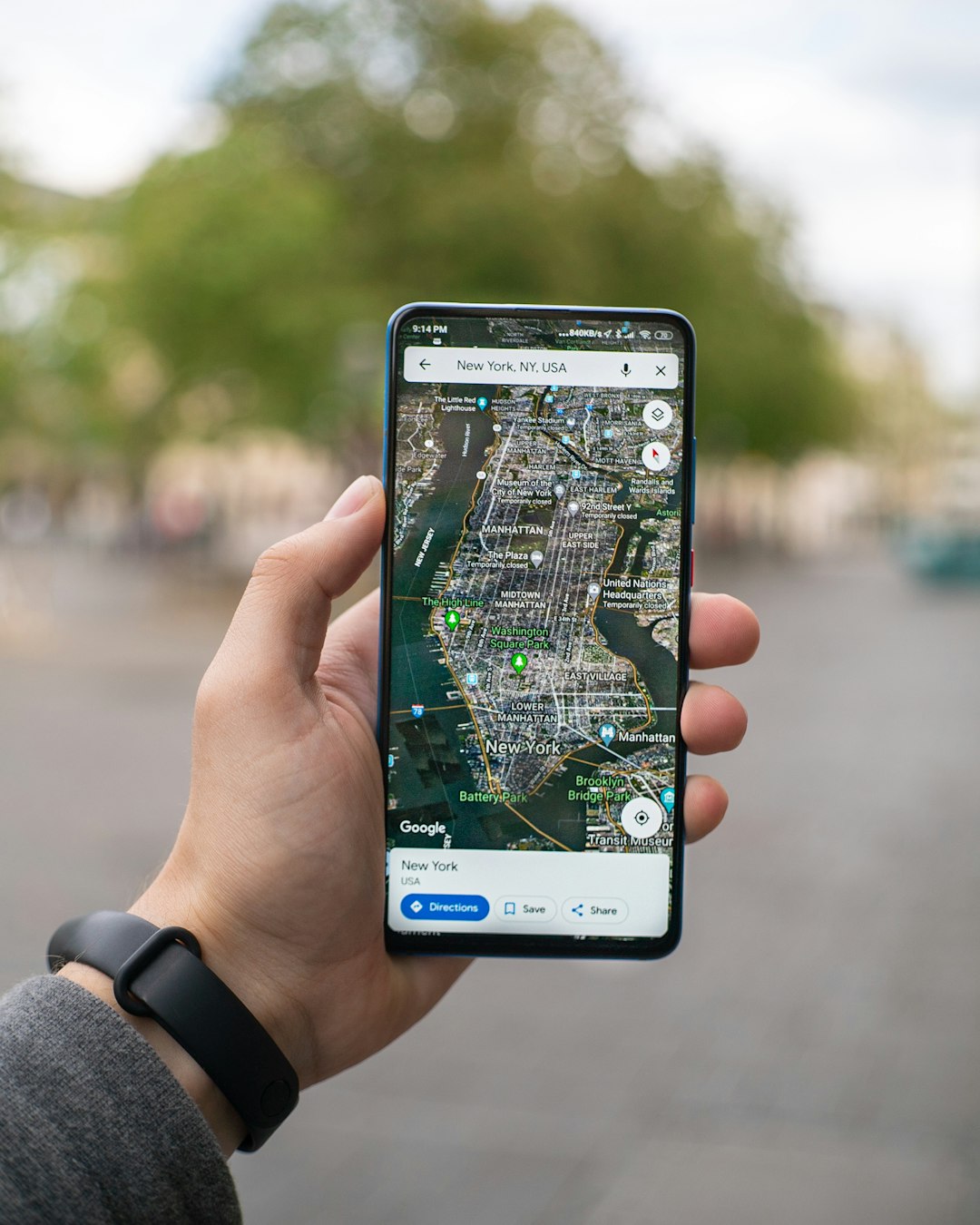
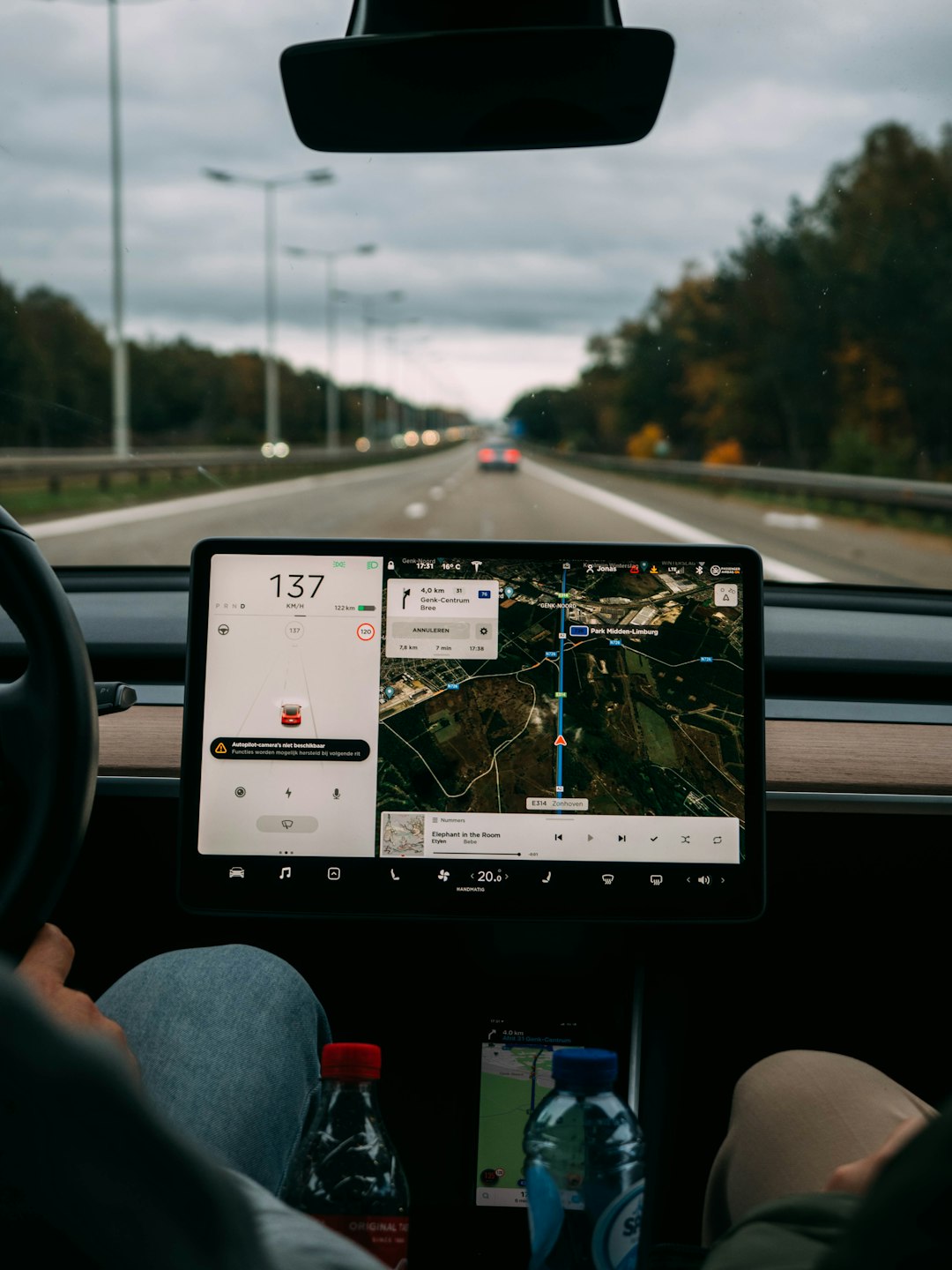
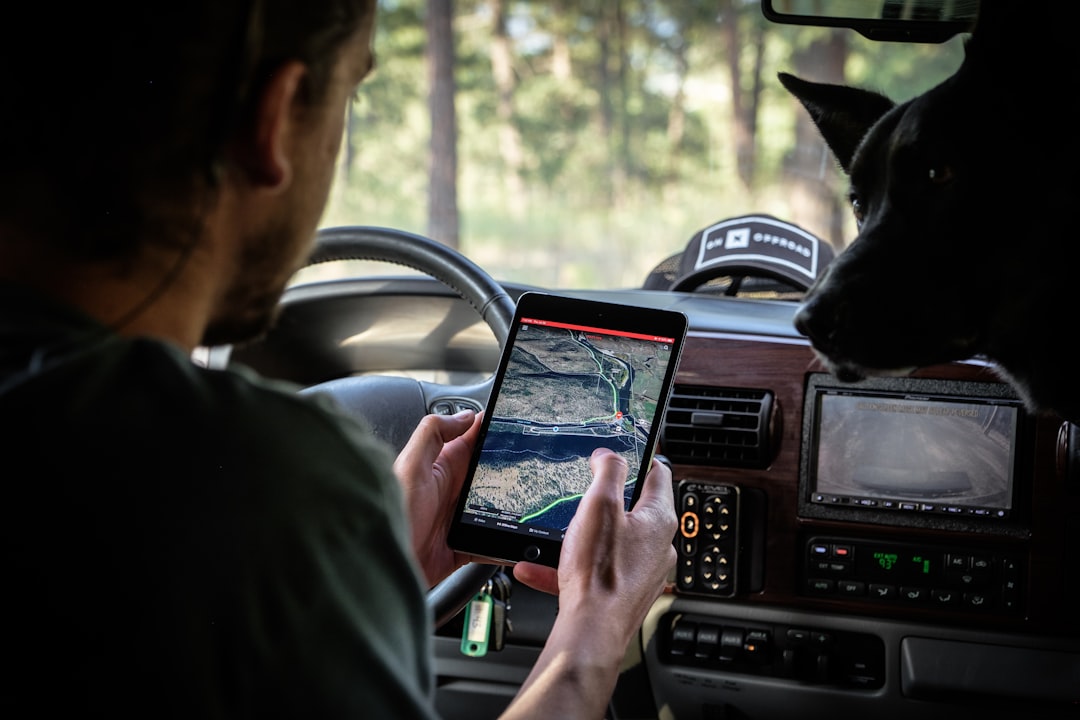
The main idea is simple. You place a GPS device in a vehicle. The device sends location data to a web or mobile platform. Managers can then view live locations, routes, stops, speed, and reports.
That means fewer phone calls like, “Where is the van?” and more answers like, “It is five minutes away from the customer.”
Key Features of VS Tracking
VS Tracking focuses on the core features most fleets need. It is not just a dot on a map. It gives managers useful data they can act on.
- Live GPS tracking: See vehicle locations in real time.
- Route history: Review past trips, stops, and travel paths.
- Driver behavior alerts: Track speeding, harsh braking, and aggressive driving.
- Geofencing: Create virtual zones around depots, customer sites, or restricted areas.
- Fuel monitoring: Help spot waste from idling, poor routes, or misuse.
- Reports: View mileage, trips, driver activity, and vehicle usage.
- Mobile access: Check fleet data from a phone or tablet.
- Maintenance reminders: Schedule service based on time, mileage, or usage.
The geofencing feature is especially useful. For example, you can get an alert when a truck leaves the yard after hours. You can also know when a technician reaches a job site. No guessing. No awkward calls.
What VS Tracking Does Well
VS Tracking is best for teams that want clear visibility without too much complexity. The platform appears focused on practical fleet control. That is good news for small and mid-sized businesses.
Its biggest strengths are:
- Simple tracking: You can quickly see where vehicles are.
- Better accountability: Drivers know routes and behavior are visible.
- Cost control: Reports can reveal idle time, long routes, and unnecessary trips.
- Security: GPS tracking can help recover stolen vehicles faster.
- Customer updates: Dispatchers can give better estimated arrival times.
For daily fleet management, these basics matter a lot. Fancy features are nice. But if your main problem is losing time, fuel, and visibility, VS Tracking may cover the essentials.
Where VS Tracking May Fall Short
No fleet system is perfect. VS Tracking may not be the best fit for every company.
The biggest possible drawback is pricing transparency. Many fleet tracking providers do not show exact prices online. That means you may need to request a quote. This can slow down comparison shopping.
Another point is advanced functionality. Some larger competitors offer AI dash cams, electronic logging device features, advanced compliance tools, deep maintenance workflows, and large app marketplaces. If your fleet is complex, you may want those extras.
Also, always check the contract terms. Ask about installation, hardware, cancellation fees, data refresh rates, support hours, and warranty coverage. Tiny details can become big surprises later.
VS Tracking Pricing
VS Tracking pricing is usually not as simple as buying a sandwich. Fleet tracking costs often depend on several things.
- Number of vehicles
- Type of GPS hardware
- Monthly software subscription
- Installation needs
- Contract length
- Extra features like fuel sensors or cameras
Many GPS fleet tracking services charge a monthly fee per vehicle. In the wider market, basic tracking can often range from around $10 to $40 per vehicle per month. More advanced systems with cameras, compliance tools, or premium analytics may cost more.
So, if you have 15 vehicles and pay $25 per vehicle per month, your software cost would be about $375 per month. Hardware and setup may be extra. This is just an example. Always ask for a direct quote from VS Tracking.

Who Should Use VS Tracking?
VS Tracking may be a good match if you run a fleet and want simple control. It suits teams that need better location data, safer driving, and stronger dispatch decisions.
It may work well for:
- Local delivery companies that need accurate ETAs.
- Service businesses with technicians on the road.
- Construction fleets that move equipment and vehicles between sites.
- Transport operators that want trip history and route visibility.
- Small fleets that need GPS tracking without a huge learning curve.
Here is a simple scenario. A plumbing company has 10 vans. Before tracking, dispatchers call drivers all day. Customers complain about late arrivals. After using GPS tracking, the company sends the closest van to urgent jobs. Travel time drops by 12%. Fuel use falls. Customers calm down. Everyone wins.
Best VS Tracking Alternatives
VS Tracking is worth a look. But it is smart to compare it with other fleet tracking platforms. Here are some strong alternatives.
1. Samsara
Samsara is one of the biggest names in fleet management. It offers GPS tracking, dash cams, driver safety tools, equipment monitoring, and strong reports.
Best for: Growing fleets that want advanced tools and modern dashboards.
Why choose it: Great user experience, strong camera options, and powerful analytics.
2. Verizon Connect
Verizon Connect is a mature fleet platform with GPS tracking, route optimization, driver management, and compliance features.
Best for: Medium and large fleets that want a full-featured system.
Why choose it: Strong reporting, broad feature set, and enterprise-level support options.
3. Geotab
Geotab is known for flexibility. It has a large marketplace and many integrations. It is popular with fleets that love data.
Best for: Businesses that need customization and deep telematics.
Why choose it: Excellent data tools, strong hardware options, and scalable setup.
4. Motive
Motive offers fleet tracking, dash cams, driver safety, and compliance tools. It is popular with trucking and logistics teams.
Best for: Fleets that care about safety and driver workflows.
Why choose it: Good mobile tools, camera features, and compliance support.
5. Azuga
Azuga focuses on GPS tracking, driver scores, rewards, dash cams, and fleet reports.
Best for: Companies that want to improve driver behavior.
Why choose it: Driver scoring and coaching tools are easy to understand.
How to Choose the Right Fleet Tracking Tool
Do not pick a fleet system only because it looks shiny. Pick it because it solves your real problems.
Ask these questions:
- Do I need simple GPS tracking or advanced telematics?
- How many vehicles do I have now?
- Will my fleet grow this year?
- Do I need dash cams?
- Do I need fuel monitoring?
- Can the software connect with my other tools?
- Is support fast and helpful?
- What is the full monthly cost?
Also ask for a demo. A demo tells you a lot. If your dispatcher gets confused in five minutes, that is a warning sign. If the dashboard feels clear, that is a good sign.
Final Verdict
VS Tracking looks like a practical fleet tracking option for businesses that want visibility, control, and better route management. It covers the important basics: live GPS, trip history, alerts, reports, and driver monitoring.
Its main downside is that pricing may require a quote. Also, fleets that need high-end features may prefer tools like Samsara, Geotab, Verizon Connect, or Motive.
If you run a small or mid-sized fleet, VS Tracking is worth adding to your shortlist. Just compare quotes. Check contract terms. Test the platform. Then choose the tool that saves time, cuts costs, and keeps your vehicles moving like a well-trained parade.