
Ahrefs is one of the most respected SEO platforms for backlink analysis, keyword research, competitor monitoring, and technical audits. However, its subscription cost can feel significant for freelancers, startups, and small marketing teams. The good news is that you do not need to wait for a Rabattgutschein to reduce your effective cost. With disciplined usage, smarter planning, and a few operational changes, you can get more value from Ahrefs while spending less.
TLDR: You can save on Ahrefs by choosing the right plan, sharing work through proper project management, limiting unnecessary reports, and using the platform only during active SEO cycles. For example, a small agency that audits 12 client sites per quarter could subscribe for one intensive month, export key reports, and reduce annual software costs by up to 60% compared with keeping a subscription active all year. The most reliable savings come from workflow discipline, not from waiting for a coupon that may never appear.
1. Choose the Plan Based on Actual Usage, Not Ambition
Many users overpay because they select a higher Ahrefs plan “just in case.” Before subscribing, list exactly what you need: number of projects, rank tracking frequency, export limits, users, and historical data requirements. If you mainly need keyword research and competitor checks for a few websites, the entry-level plan may be enough.
A serious approach is to review your last three months of SEO activity. Ask yourself how often you truly needed advanced features such as large-scale batch analysis, extensive historical data, or multiple user seats. If those features are used only occasionally, paying for them every month may not be justified.
- Best for freelancers: Start with the minimum plan and upgrade only when limits are consistently reached.
- Best for agencies: Match the plan to active client work, not potential future clients.
- Best for in-house teams: Centralize SEO tasks before adding more seats.

2. Subscribe Only During Active SEO Work Periods
Ahrefs is most valuable when you are actively researching, auditing, planning, or reporting. If your SEO workflow is seasonal or project-based, consider using Ahrefs in focused one-month cycles instead of maintaining a continuous subscription.
For example, a content team might use Ahrefs intensively in January to build a six-month keyword roadmap, analyze competitors, export backlink data, and create technical audit tasks. After that, the team can work from the exported data and internal content plan without needing daily access.
This method works especially well for:
- Quarterly SEO audits
- Website migration preparation
- Competitor research sprints
- Content calendar planning
- Backlink gap analysis projects
Important: This is not about using the tool less effectively. It is about concentrating your usage into periods when the data directly supports decisions.
3. Export and Organize Data Properly
One of the simplest ways to save is to make better use of exported reports. If you run keyword, backlink, or technical audit reports but do not store them properly, you may need to resubscribe or rerun the same tasks later.
Create a structured folder system for Ahrefs exports. Use naming conventions such as client name, date, report type, market. Store key files in a shared drive and summarize them in spreadsheets so your team can continue working without constantly logging back into Ahrefs.
Useful exports include:
- Keyword lists grouped by intent, volume, and difficulty
- Competitor backlink profiles for outreach planning
- Top pages reports for content strategy
- Site audit issues prioritized by severity
Good documentation turns a one-month subscription into several months of practical SEO work.
4. Limit Seats and Create a Clear Internal Workflow
Adding user seats can increase software costs quickly. In many organizations, several people want access, but only one or two actually need to run reports. Instead of giving everyone direct access, assign a responsible SEO manager or analyst to collect requests, run reports, and distribute insights.
This approach also improves data quality. When too many users run uncoordinated reports, teams often duplicate work, waste credits, and create conflicting interpretations. A controlled workflow ensures that Ahrefs is used for business decisions rather than casual exploration.
A practical process could look like this:
- Team members submit research requests in a shared document.
- The SEO lead groups similar requests together.
- Reports are run once and saved centrally.
- Findings are summarized in plain language for stakeholders.
5. Combine Ahrefs With Free or Lower-Cost Tools
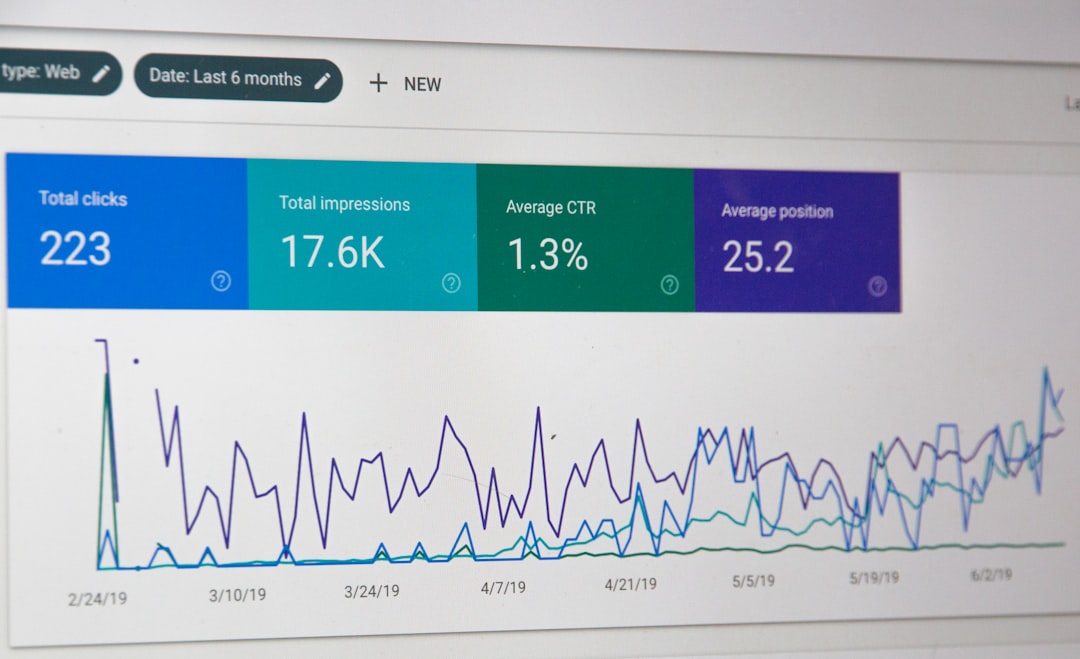
Ahrefs is powerful, but it does not need to handle every SEO task. You can reduce dependence on paid credits and reports by combining it with reliable free tools. For example, use Google Search Console for actual search performance, Google Analytics for user behavior, and your CMS data for content updates.
Ahrefs is especially strong for competitor analysis, backlink intelligence, and keyword opportunity research. Free tools are often sufficient for monitoring your own site’s clicks, impressions, indexing issues, and conversions. By assigning each tool a specific role, you avoid using Ahrefs for tasks that can be handled elsewhere.

6. Reduce Waste From Unplanned Research
Unplanned SEO research is one of the hidden reasons teams overspend. Someone searches a few keywords, checks several competitors, opens multiple reports, and soon the account limits are reduced without producing a useful decision.
Before using Ahrefs, define the question you want to answer. For example: “Which competitor pages attract the most backlinks in our niche?” or “Which low-difficulty keywords could support our next product guide?” A clear question leads to focused research and fewer wasted actions.
To control usage, create a simple research brief:
- Goal: What decision will this research support?
- Scope: Which markets, domains, or keywords are included?
- Output: What report or recommendation is expected?
- Deadline: When does the research need to be completed?
This small habit can significantly improve return on investment.
7. Use Rank Tracking Selectively
Rank tracking is useful, but tracking too many keywords too frequently can be unnecessary. Not every keyword needs daily monitoring. For many websites, weekly or even monthly checks are enough, especially for informational content that does not change position dramatically every day.
Focus rank tracking on keywords that matter commercially or strategically. These may include product terms, service pages, high-converting blog topics, and keywords tied to active campaigns. Avoid filling your tracker with vanity keywords that have little impact on revenue.
A lean rank tracking setup might include:
- 20 to 50 priority keywords for a small business
- Core landing page terms for lead generation
- Important local or regional keywords
- Keywords linked to current content investments
Selective tracking keeps your reporting meaningful and helps you stay on a lower plan longer.
8. Calculate ROI Before Renewing
The most serious way to save on Ahrefs is to measure whether the subscription is paying for itself. Before each renewal, compare the monthly cost with the value generated from SEO decisions supported by the tool. This does not need to be overly complex.
Consider metrics such as:
- New organic traffic generated from Ahrefs-based keyword research
- Revenue or leads influenced by optimized pages
- Backlinks acquired from competitor gap analysis
- Time saved on audits and reporting
- Client retainers supported by professional SEO insights
For instance, if Ahrefs helps identify content opportunities that generate 30 qualified leads per month, and each lead is worth €40 on average, the tool may be supporting €1,200 in monthly value. In that case, the subscription may be justified. If the tool is rarely used and produces no clear action, pausing it is financially responsible.
Final Thoughts
Waiting for a Rabattgutschein is not a reliable savings strategy. Coupons are uncertain, often limited, and may not apply to the plan you actually need. A better approach is to control how, when, and why you use Ahrefs.
By choosing the correct plan, working in focused SEO cycles, exporting data, limiting seats, combining tools, and measuring ROI, you can reduce costs without reducing quality. Ahrefs can be a strong investment, but only when it is used with clear priorities and disciplined workflows. The aim is not simply to pay less; it is to make every paid month produce measurable SEO value.