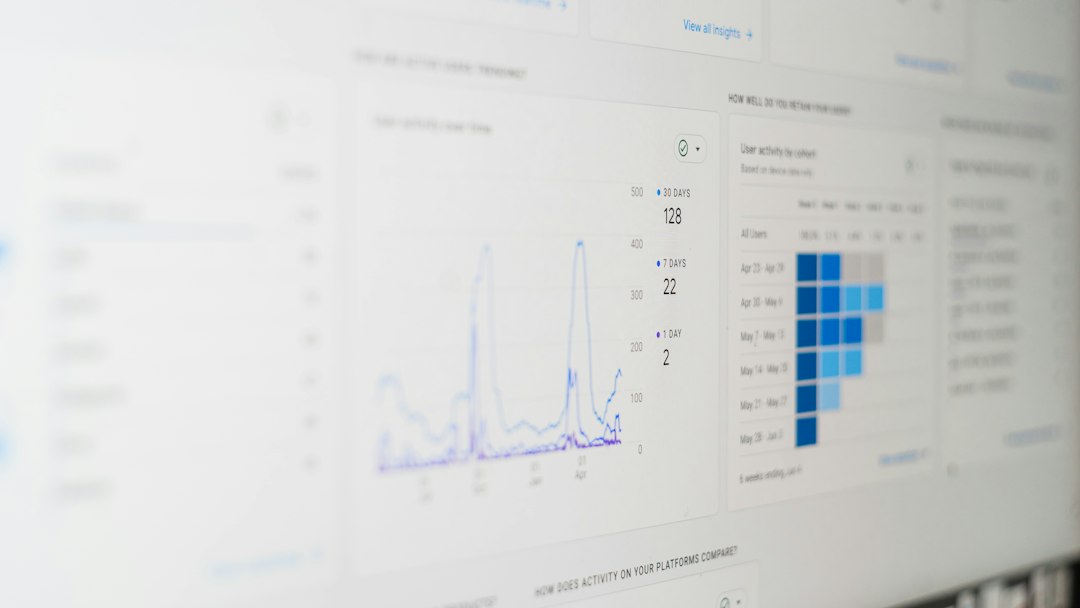
Keeping an eye on competitors used to mean occasional website checks, manual price comparisons, and scattered notes from sales calls. Today, the market moves too quickly for that approach. The best competition tracking software helps businesses monitor rival brands, pricing, content, search rankings, product changes, ad campaigns, customer sentiment, and messaging in one organized place.
TLDR: Competition tracking software helps you understand what competitors are doing and how the market is changing. The best tools combine automated monitoring, clear dashboards, alerts, and actionable insights. Popular options vary by use case, from SEO and advertising intelligence to sales enablement, pricing, and market research. Choose the platform that matches your goals, budget, and team workflow.
Why Competition Tracking Software Matters
Competitors influence almost every part of your strategy: pricing, positioning, content, product development, and customer acquisition. If you do not track them, you risk making decisions based on assumptions rather than evidence. A smart competitor tracking tool gives you a clearer view of what is happening outside your own analytics dashboard.
For example, a software company might use competitive intelligence to discover that a rival has launched a new feature. An ecommerce store might monitor competitor price changes during seasonal sales. A marketing team might track which keywords competitors are ranking for, what ads they are running, and which topics are generating engagement.
The goal is not to copy competitors. The goal is to understand the market well enough to make sharper, faster, and more confident decisions.
What to Look for in Competition Tracking Software
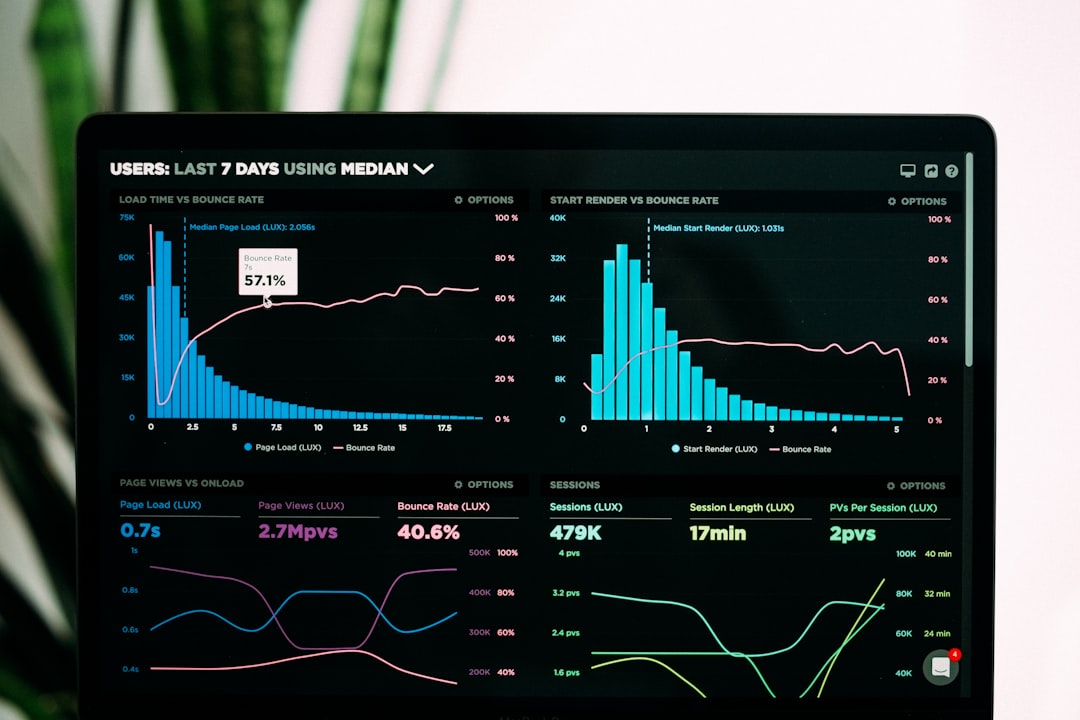
Before choosing a platform, it helps to know which features actually matter. The best tool is not always the one with the longest feature list; it is the one that turns competitive data into useful action.
- Automated alerts: Get notified when competitors change prices, publish new pages, launch ads, or update messaging.
- Easy dashboards: Data should be organized clearly, with trends and comparisons visible at a glance.
- Reliable data sources: Strong tools pull from search engines, websites, social media, marketplaces, review sites, and ad libraries.
- Historical tracking: Seeing what changed over time is often more valuable than a single snapshot.
- Collaboration features: Sales, marketing, product, and leadership teams should be able to share insights easily.
- Custom reporting: The software should let you focus on the competitors, keywords, channels, or products that matter most.
Best Competition Tracking Software by Use Case
1. Semrush: Best for SEO and Digital Marketing Intelligence
Semrush is one of the strongest all-around platforms for tracking competitors in search, content, and paid advertising. It helps teams discover competitor keywords, backlink profiles, ranking changes, traffic estimates, and search ad strategies. If your business depends heavily on organic visibility or paid search campaigns, Semrush can reveal where competitors are gaining traction.
Its competitive research tools are especially useful for marketers who want to identify content gaps. You can compare domains, find keywords your competitors rank for but you do not, and analyze pages that attract strong traffic. For many teams, Semrush works as both an SEO platform and a competitive intelligence engine.
2. Ahrefs: Best for Backlinks and Content Research
Ahrefs is widely respected for its backlink data and content analysis. It is a strong choice for companies that want to understand why competitors rank well in search results. You can inspect competitor websites, see their top-performing pages, analyze linking domains, and track keyword movement.
Ahrefs is particularly valuable for content teams. Its tools can help you uncover topics competitors are winning, evaluate link-building opportunities, and spot pages that have lost or gained visibility. If your strategy involves content-led growth, Ahrefs gives you a deep look into the competitive search landscape.
3. Similarweb: Best for Market and Traffic Intelligence
Similarweb focuses on broader digital market intelligence. It estimates website traffic, traffic sources, audience behavior, referral channels, and industry trends. This makes it useful for executives, strategy teams, investors, and marketers who need to understand market share and online demand.
Rather than only showing keyword data, Similarweb helps answer questions like: where are competitors getting traffic, which channels are growing, and what audiences overlap with yours? It is especially helpful in industries where market movement matters as much as individual campaign performance.
4. Crayon: Best for Competitive Intelligence Teams
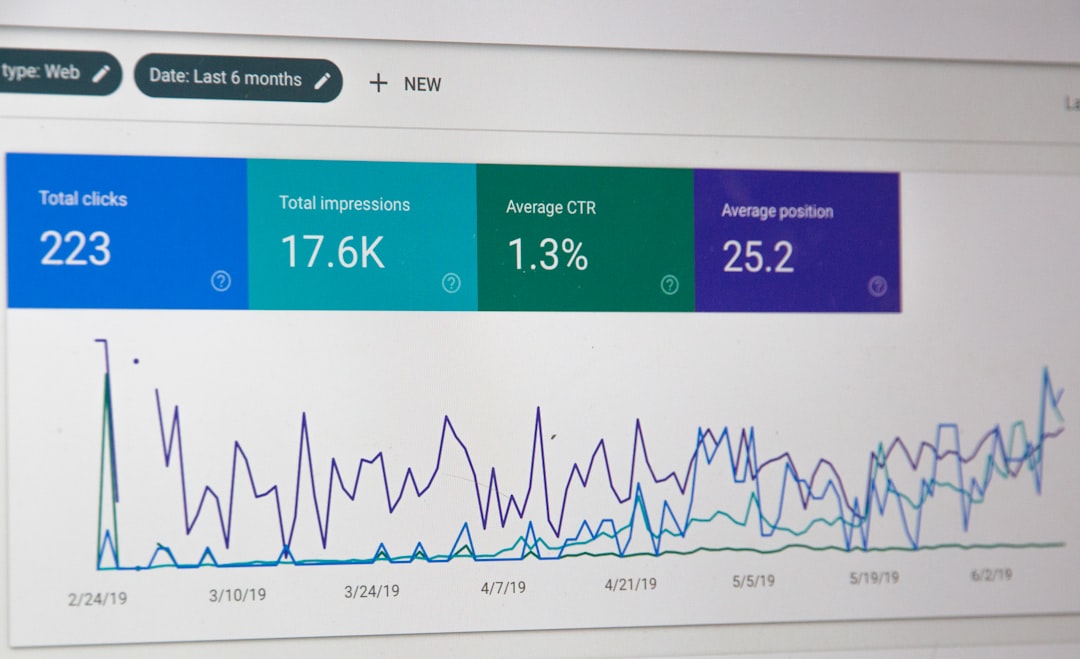
Crayon is built specifically for competitive intelligence. It monitors competitor websites, product pages, messaging, press releases, social posts, reviews, and other public signals. The platform is designed to capture changes automatically and turn them into insights teams can use.
One of Crayon’s strengths is its ability to support multiple departments. Product teams can track feature launches, sales teams can access battlecards, and marketing teams can analyze positioning. For organizations that take competitive intelligence seriously across departments, Crayon is a powerful option.
5. Klue: Best for Sales Enablement and Battlecards
Klue is well suited for companies that want competitor insights to directly support sales conversations. It helps collect competitive information, organize it into battlecards, and distribute it to revenue teams. Sales representatives can use this information to handle objections, compare features, and position the product more effectively.
Klue is not just a monitoring tool; it is a knowledge-sharing platform. If your sales team frequently competes head-to-head with specific rivals, accessible and updated competitive battlecards can make a measurable difference.
6. Kompyte: Best for Automated Competitor Monitoring
Kompyte focuses on automating competitive tracking across websites, ads, content, search, and social channels. It is useful for businesses that want alerts when competitors change messaging, publish new content, or launch campaigns.
The platform helps reduce manual checking and keeps teams informed of important changes. For lean marketing or product teams, this kind of automation can save hours while ensuring no major competitor move goes unnoticed.
7. Prisync: Best for Ecommerce Price Tracking
Prisync is designed for ecommerce businesses that need to monitor competitor pricing. It tracks product prices, stock availability, and market movements across online stores. This is especially useful in competitive retail categories where pricing changes can happen frequently.
With pricing intelligence, ecommerce teams can avoid being undercut unexpectedly or missing opportunities to improve margins. Prisync can also help businesses understand when competitors run promotions, adjust stock, or shift pricing strategies.
8. Brandwatch: Best for Social Listening and Sentiment Analysis
Brandwatch helps companies track competitors through social conversations, consumer sentiment, trends, and brand mentions. It is a strong choice for brands that care about reputation, audience perception, and cultural relevance.
Social listening can reveal what customers praise or criticize about competing products. These insights can support messaging, product improvements, customer service, and campaign planning. In fast-moving consumer markets, public conversation is often an early signal of competitive opportunity.

How to Choose the Right Tool
Start by identifying your main reason for tracking competitors. If your priority is ranking higher on Google, choose an SEO-focused tool like Semrush or Ahrefs. If you need executive-level market intelligence, Similarweb may be a better fit. If your revenue team needs battlecards, Klue or Crayon could be more practical.
It is also important to consider how your team will use the data. A powerful platform is only valuable if people actually check it, understand it, and act on it. Look for software with clear reporting, useful alerts, and integrations that fit your workflow.
Budget matters too. Some tools are affordable for small teams, while enterprise competitive intelligence platforms can become expensive. Before committing, use a free trial or demo to test whether the insights are accurate, relevant, and easy to apply.
Best Practices for Competitor Tracking
- Track a focused competitor set: Monitoring too many companies can create noise. Start with your top direct competitors.
- Define what matters: Decide whether you care most about pricing, SEO, product updates, ads, reviews, or messaging.
- Review insights regularly: Weekly or monthly reviews help teams spot patterns instead of reacting to isolated events.
- Share findings across teams: Competitive intelligence should support marketing, sales, product, and leadership.
- Turn data into action: Insights should influence campaigns, product decisions, pricing, and positioning.
Final Thoughts
The best competition tracking software gives businesses more than information; it gives them perspective. Whether you need SEO intelligence, pricing data, social listening, market research, or sales enablement, there is a tool built for that purpose. The real advantage comes from using competitive insights consistently and strategically.
In a crowded market, simply knowing your own performance is not enough. You need to understand where competitors are moving, how customers are responding, and where opportunities are opening. With the right software, competitor tracking becomes less of a guessing game and more of a reliable source of strategic direction.