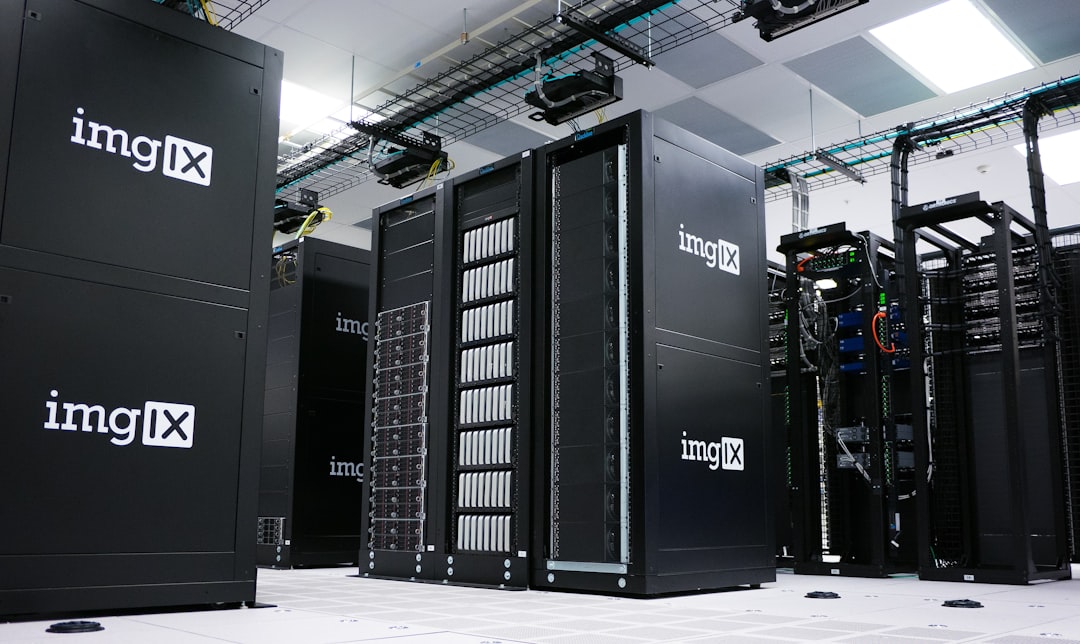
Building an IoT product is rarely just about connecting a sensor to an app. The real challenge is getting hardware, firmware, wireless connectivity, cloud infrastructure, edge intelligence, security, and data workflows to behave like one reliable system. Whether you are launching an industrial monitoring device, a smart home product, a medical wearable, or an AI-powered gateway, choosing the right development partner can determine how fast you move from prototype to production.
TLDR: If you need custom IoT hardware, Softeq is a strong fit; for embedded systems and edge AI, Witekio stands out; and for connected product ecosystems, Very is worth considering. For example, a manufacturer deploying 2,000 connected sensors across multiple plants might reduce manual inspection time by 30% to 50% by combining edge analytics with cloud dashboards. The best company depends on whether your biggest risk is hardware design, embedded intelligence, or scalable connected-device operations.
Why IoT Development Requires Specialized Partners
IoT products sit at the intersection of physical engineering and software engineering. A mobile app team may build an excellent user interface, but that does not mean they can design low-power electronics, optimize firmware, manage over-the-air updates, or secure device-to-cloud communication. Similarly, a hardware manufacturer may build a rugged device but lack the expertise to turn device data into useful analytics.
That is why strong IoT development companies usually offer expertise across several layers:
- Custom hardware design: PCB design, sensors, enclosures, power optimization, certification support.
- Firmware and embedded software: Device drivers, real-time operating systems, Linux, Bluetooth, WiFi, cellular, LoRaWAN, and other protocols.
- Edge AI: Running machine learning models locally for faster decisions, lower latency, and reduced cloud costs.
- Cloud and application development: Dashboards, APIs, data pipelines, device management, mobile apps, and integrations.
- Security and lifecycle management: Encryption, authentication, OTA updates, monitoring, and long-term maintenance.
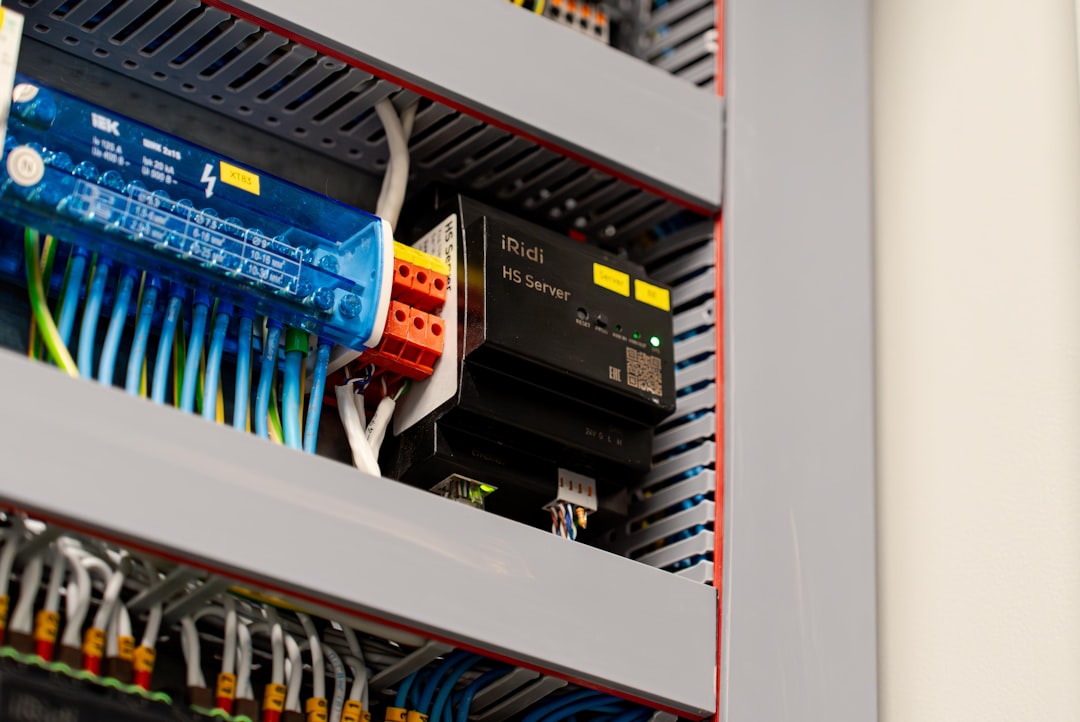
1. Softeq: Best for Custom Hardware and End-to-End IoT Product Development
Softeq is a software and hardware engineering company known for helping businesses move from product idea to connected-device deployment. It is especially relevant for companies that need more than an app or cloud backend. Softeq can support hardware engineering, embedded development, connectivity, cloud software, and user-facing applications, making it a good option for complex IoT products that require tight coordination between electronics and software.
Its strength lies in end-to-end development. For example, a startup developing a smart fitness device or an enterprise building an industrial sensor platform may need PCB design, firmware, Bluetooth communication, a mobile app, and a secure cloud dashboard. Working with one partner that understands the full product stack can reduce integration problems and shorten development cycles.
Best suited for:
- Companies building new connected hardware from scratch.
- Startups that need a functional prototype before fundraising or pilot testing.
- Enterprises modernizing existing physical products with sensors and connectivity.
- Teams that want hardware, firmware, app, and cloud work handled under one roof.
What makes Softeq interesting is its ability to handle both the invisible engineering and the customer-facing experience. Many IoT failures happen because the hardware team and software team make assumptions about each other’s work. An end-to-end provider can help avoid mismatched requirements, power consumption problems, unstable connectivity, or firmware limitations discovered too late.
2. Witekio: Best for Embedded Software, Edge AI, and Smart Device Intelligence
Witekio specializes in embedded software and connected systems, making it a strong choice for companies that already have hardware plans or devices but need advanced software running close to the physical equipment. As part of the broader embedded and electronics ecosystem, Witekio works on areas such as Linux, Android, microcontrollers, edge computing, device connectivity, and cloud integration.
Its particular value is in edge intelligence. Not every IoT product should send all raw data to the cloud. In many cases, it is faster, cheaper, and more secure to process data locally. A smart camera, for instance, might analyze video on the device and only send alerts or metadata instead of streaming continuous footage. An industrial vibration sensor might detect abnormal machine behavior locally and send a warning before a breakdown occurs.
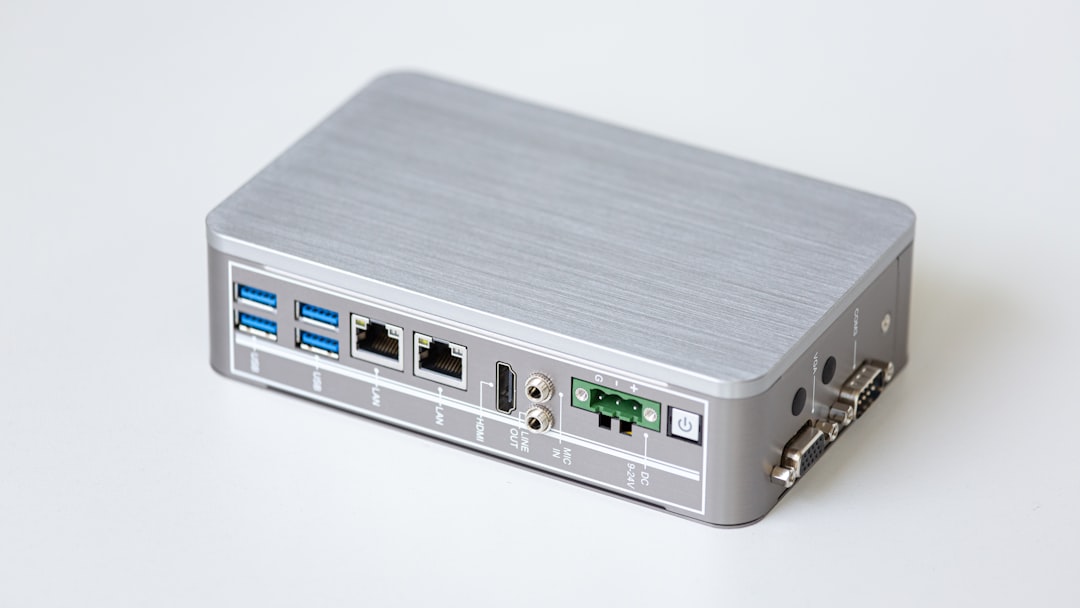
Edge AI is useful when:
- Latency matters, such as robotics, safety systems, or automated inspection.
- Bandwidth is limited or expensive, especially in remote industrial environments.
- Privacy requirements make it risky to send raw audio, video, or biometric data to the cloud.
- Devices must continue operating even when internet connectivity is unreliable.
Witekio is a good fit for organizations that require deep embedded engineering rather than only application development. Its work may be especially relevant to medical device makers, industrial equipment companies, smart appliance brands, and transportation technology providers.
Best suited for:
- Businesses building Linux-based or microcontroller-based smart devices.
- Companies adding AI or advanced analytics to devices at the edge.
- Manufacturers that need long-term embedded software support.
- Teams integrating devices with cloud platforms while keeping local intelligence.
3. Very: Best for Connected Device Ecosystems and Data-Driven IoT Products
Very is an IoT-focused product development company that works with connected devices, cloud platforms, data engineering, and user applications. It is a compelling option for businesses that want to turn device data into operational improvements or customer-facing digital services. While hardware and firmware are important, many IoT initiatives ultimately succeed because the data becomes actionable.
For example, a logistics company may not simply want GPS trackers. It may want route analytics, real-time exception alerts, predictive maintenance insights, and integration with existing fleet management software. A smart building company may not only need occupancy sensors, but also dashboards that help reduce energy consumption, automate HVAC settings, and support tenant comfort.
Very’s strengths are often tied to product strategy, scalable cloud architecture, analytics, and connected user experiences. This makes it useful for organizations that are past the “can we connect this device?” stage and are focused on building a reliable, measurable IoT business case.
Best suited for:
- Companies creating connected products with cloud dashboards and mobile apps.
- Businesses that want to collect, analyze, and act on device data at scale.
- Teams building IoT platforms for logistics, energy, manufacturing, or smart environments.
- Organizations that need both technical execution and product thinking.

How to Choose the Right IoT Development Company
The best vendor is not always the largest or most famous one. It is the company whose strengths match your biggest technical uncertainty. If your product depends on a new physical device, prioritize hardware and firmware expertise. If your product must make fast decisions locally, prioritize embedded engineering and edge AI. If your business model depends on dashboards, automation, and recurring services, prioritize cloud architecture and data product development.
Before signing a contract, ask practical questions:
- Have they built devices similar in complexity to yours?
- Can they support prototyping, testing, certification, and production handoff?
- How do they handle security, OTA updates, and device identity?
- Which cloud platforms, wireless protocols, and embedded systems do they use most often?
- Can they show measurable outcomes from previous IoT deployments?
Final Thoughts
Softeq, Witekio, and Very represent three valuable approaches to IoT development. Softeq is strong when custom hardware and full-stack product engineering are central to the project. Witekio is a smart choice when embedded software, edge computing, and device intelligence are the most important pieces. Very is well suited to connected ecosystems where data, applications, and cloud services need to produce ongoing business value.
The most successful IoT products are not just connected; they are reliable, secure, useful, and maintainable. Choosing a development partner with the right specialization can help transform a promising device idea into a scalable connected product that performs in the real world.